
President of Estonia
The President of Estonia is the republic's head of state, a largely ceremonial office with constitutional duties including representing the country, promulgating laws, and selecting a prime ministerial candidate.
Overview
The President of the Republic of Estonia is the country's head of state and a constitutional guardian of the republic. The office combines representative, ceremonial and limited constitutional powers: the president represents Estonia abroad, signs and promulgates legislation, and performs formal appointments. In Estonian the title is sometimes given as Eesti Vabariigi President. The president is distinct from the head of government and works alongside parliamentary institutions of the Republic of Estonia.
Image gallery
10 Images




Election and term
The president is chosen by indirect election. Members of the national parliament vote first; if no candidate secures the required qualified majority, an extended electoral body composed of members of parliament and delegates from local government councils elects the president. The position is held for a fixed term of years and may be renewed according to constitutional limits. This indirect mechanism reflects the office's role as a unifying, non-partisan figure rather than a directly elected political chief.
Functions and powers
The president's powers are deliberate and mostly formal. Key functions include:
- representing Estonia in international relations and receiving foreign envoys;
- promulgating laws passed by parliament and, in some cases, returning legislation for reconsideration;
- nominating a prime ministerial candidate to lead government formation, subject to parliamentary approval;
- conferring state decorations and honours, and granting pardons;
- exercising specific constitutional duties in matters of national defence and emergency, often in cooperation with other branches of government.
While the role is not chiefly executive, the president plays a stabilizing part in constitutional processes and in representing Estonia's continuity and sovereignty.
History and development
The contemporary presidency traces its roots to the interwar republic, was interrupted during the Soviet occupation, and was re-established after Estonia regained independence in the early 1990s under a new constitution. The modern office was designed with checks to ensure it complements a parliamentary system, emphasizing moral authority and constitutional oversight rather than day-to-day governance.
Notable facts and holders
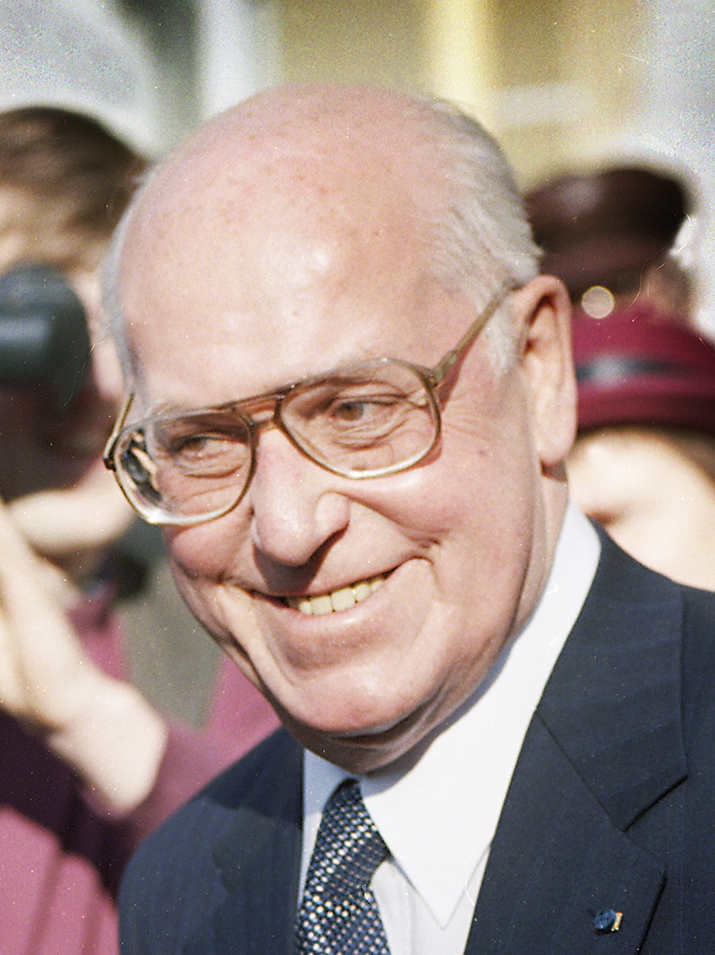
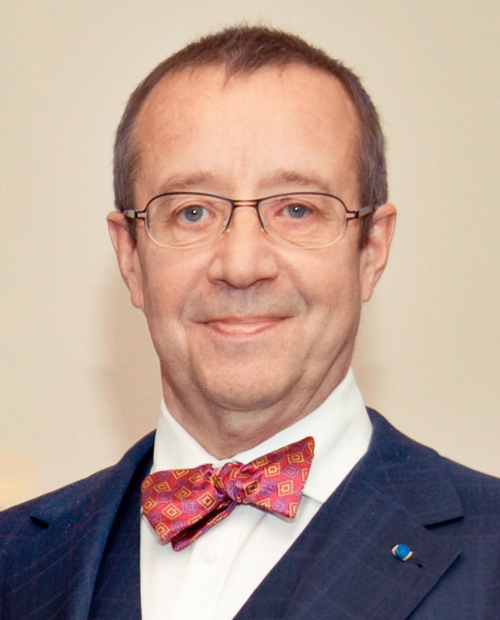
Recent presidents have combined public duties with active roles in promoting Estonia's international profile and digital development. The office is based in the capital, Tallinn, with official events often held at historic venues. The president is formally the state's representative and head of state; for broader context on the title and functions, see the link for the concept of head of state. Prominent recent holders have included figures who steered the country through EU and NATO integration and through modernising reforms.
The current incumbent, serving since October 2021, has continued the tradition of representing Estonia abroad and upholding constitutional responsibilities while the government manages daily administration. For official information and biographies, consult authoritative national sources and the presidency's publications.
Author
AlegsaOnline.com President of Estonia Leandro Alegsa
URL: https://en.alegsaonline.com/art/144435
Sources
- postimees.ee : "Riigikogu liikmete ja teiste kõrgemate riigiteenijate palk ei muutu"
- theguardian.com : "Estonia parliament votes for first female president"