
Port St. Lucie, Florida: overview, geography, history and notable features
Port St. Lucie is a coastal inland city on Florida's Treasure Coast, known for suburban neighborhoods, rapid growth, a spring training complex, parks, waterways and regional recreational amenities.
Port St. Lucie is a city on Florida's Treasure Coast in the state of Florida, in the United States. Located inland from the Atlantic shoreline along the St. Lucie River and the Indian River Lagoon system, the municipality combines residential neighborhoods, planned communities and substantial natural preserves. It has grown rapidly since the late 20th century and is a regional center for services, recreation and healthcare.
Image gallery
6 Images


Overview
Modern Port St. Lucie is largely residential with commercial centers, medical facilities and light industry supporting the local population. Development has included planned subdivisions, mixed-use corridors and recreational complexes. The city attracts retirees, families and commuters who seek lower-density housing than in nearby coastal cities while retaining access to beaches, waterways and metropolitan job markets.
Geography and climate
Port St. Lucie sits on low coastal plains and wetland mosaics typical of southeastern Florida. Vegetation ranges from pine flatwoods and scrub to mangrove fringes near tidal waterways. The climate is warm and humid with a distinct wet season; winters are generally mild. The region is influenced by tropical storms and hurricanes, which inform building codes, drainage planning and conservation efforts.
History and growth
Before modern development the area was used by Indigenous peoples and later by early settlers engaged in fishing, citrus and small-scale agriculture. The city incorporated in the mid-20th century and experienced steady expansion through planned residential projects and infrastructure investment. Population growth accelerated in recent decades, driven by migration within Florida and retirees relocating to the Treasure Coast.
Economy and infrastructure
The local economy is based on municipal services, healthcare, retail, education and tourism-related businesses. Transportation connections include regional highways and arterial roads that link Port St. Lucie with nearby coastal cities and larger South Florida metropolitan areas. City planning emphasizes managed growth, storm resilience and protection of wetlands, waterways and drinking-water resources.
Recreation, culture and notable features
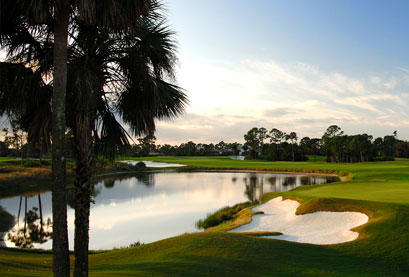
Recreational amenities are among the city's most visible assets. Port St. Lucie hosts a major professional baseball spring training complex at Clover Park, which brings seasonal visitors and community events. There are numerous public golf facilities, sports fields and organized youth sports programs. The city also supports cultural venues, libraries and annual community festivals.
Parks and conservation
Outdoor recreation includes riverfront parks, multiuse trails and sizable nature preserves. Protected areas such as the Savannas Preserve and river corridor lands provide habitat for wildlife and opportunities for hiking, birdwatching and paddling. Local efforts balance recreation with habitat restoration and water-quality initiatives to sustain the Indian River Lagoon system.
For official information on municipal services, planning and visitor guidance, consult the city's resources: Port St. Lucie official site, statewide information at Florida state pages, and federal or national resources at national portals.
Author
AlegsaOnline.com Port St. Lucie, Florida: overview, geography, history and notable features Leandro Alegsa
URL: https://en.alegsaonline.com/art/144384