
Piqua, Ohio
Piqua is a city in Miami County, southwestern Ohio, north of Dayton. It developed along the Great Miami River and features historic districts, parks, museums, industry, and community institutions.
Overview
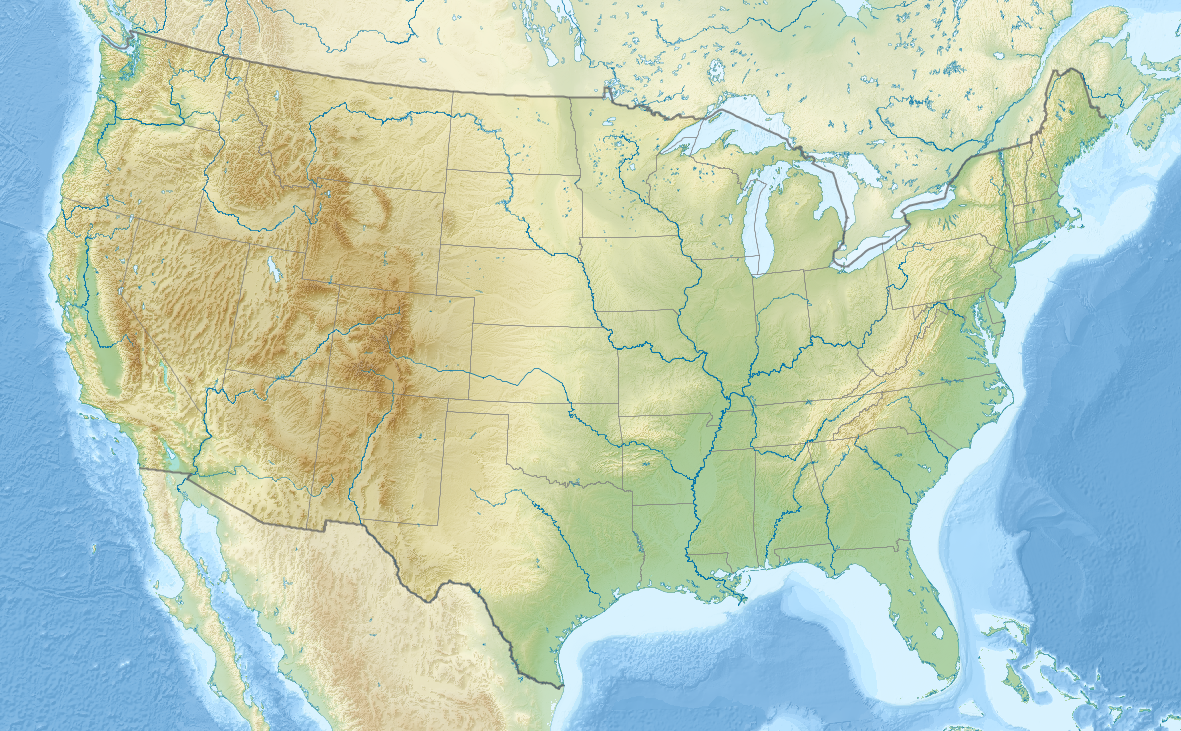
Piqua is a city in Miami County, in southwest Ohio, United States, about 27 miles north of Dayton. It developed along the Great Miami River and serves as a local commercial and cultural center for surrounding townships. According to the 2010 census the population was 20,522.
Image gallery
7 Images



Geography
The city occupies a river valley and adjacent uplands, with parks and greenways that follow the river corridor. Residential neighborhoods, a compact downtown, and former mill sites near the waterfront reflect the town's industrial origins and subsequent redevelopment. Public spaces and trails provide recreational access to the river and link community destinations.
History
Piqua's name is derived from a Shawnee place name and the area has a layered history that includes Native American settlement and later European-American development. During the 19th century the Great Miami River powered mills and factories; these industries shaped the city's growth and built much of its historic architecture. In the 20th century the economy diversified while efforts to preserve historic districts began to influence revitalization of the downtown.
Demographics and community life
The community contains a variety of neighborhoods, schools and civic organizations. Local festivals, parades and historical commemorations celebrate aspects of both indigenous heritage and the city's industrial past. Community institutions include civic clubs, libraries and performing arts venues that contribute to cultural life.
Economy, education and government
Piqua's economy combines manufacturing, healthcare, retail and professional services, with many small businesses serving the city and nearby rural areas. Public education is provided by the local school district and additional educational programs operate through regional partners. Municipal government follows a mayor–council model and is active in economic development and historic preservation initiatives.
Transportation and access
The city is served by state and county roads that connect to regional highways toward Dayton and other Ohio cities. Local transit and nearby commercial airports support commuting and longer-distance travel. Riverfront and trail amenities also encourage walking and cycling within the city.
Attractions and notable facts
- Historic downtown with 19th- and early 20th-century architecture, shops and restaurants.
- Riverfront parks, trails and recreational boating opportunities on the Great Miami River.
- Museums and heritage sites interpreting Native American history and the city's industrial era.
- An unusual mid-20th-century municipal technological project is a distinctive part of local history.
Author
AlegsaOnline.com Piqua, Ohio Leandro Alegsa
URL: https://en.alegsaonline.com/art/144231