
Phosphorite (phosphate rock): characteristics, formation, uses, and impacts
Phosphorite (phosphate rock) is a sedimentary rock rich in phosphate minerals (apatite). This entry explains its composition, modes of formation, economic uses, environmental issues and global significance.
Phosphorite, commonly called phosphate rock, is a sedimentary, non-detrital rock containing concentrated phosphate-bearing minerals, principally apatite-group minerals such as fluorapatite and carbonate-fluorapatite. It is an important mineral resource because the phosphate it contains is the primary source of phosphorus for agriculture, industry and some chemical processes.
Image gallery
6 Images

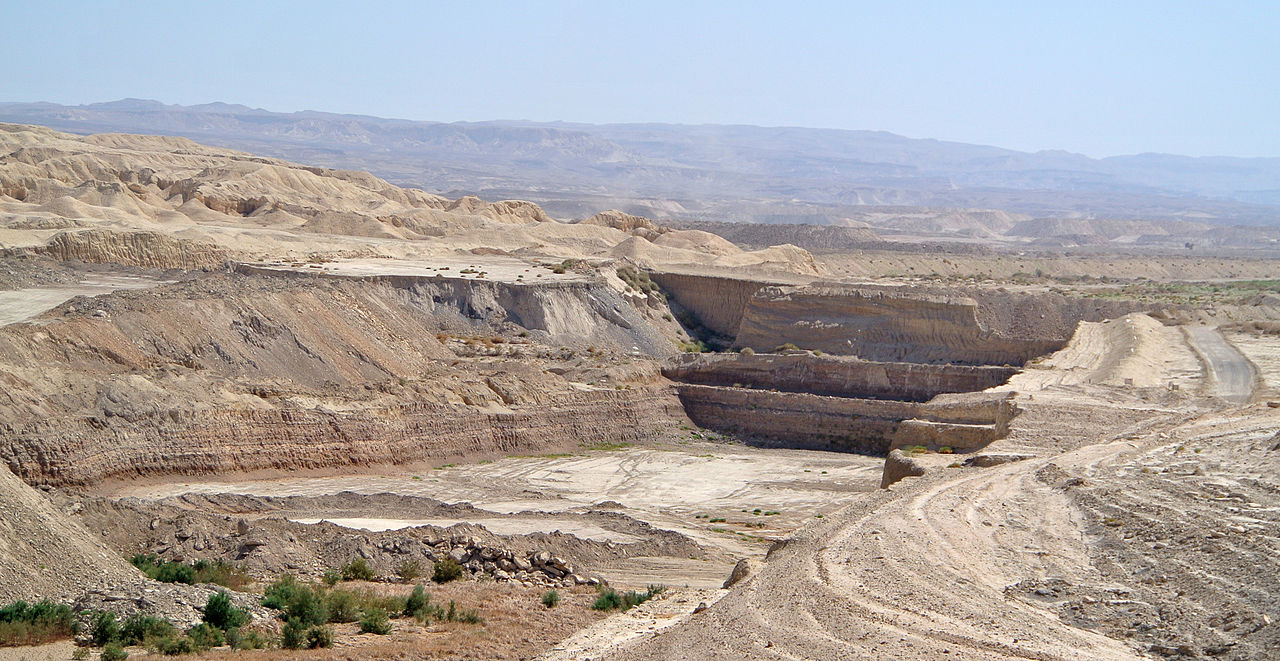

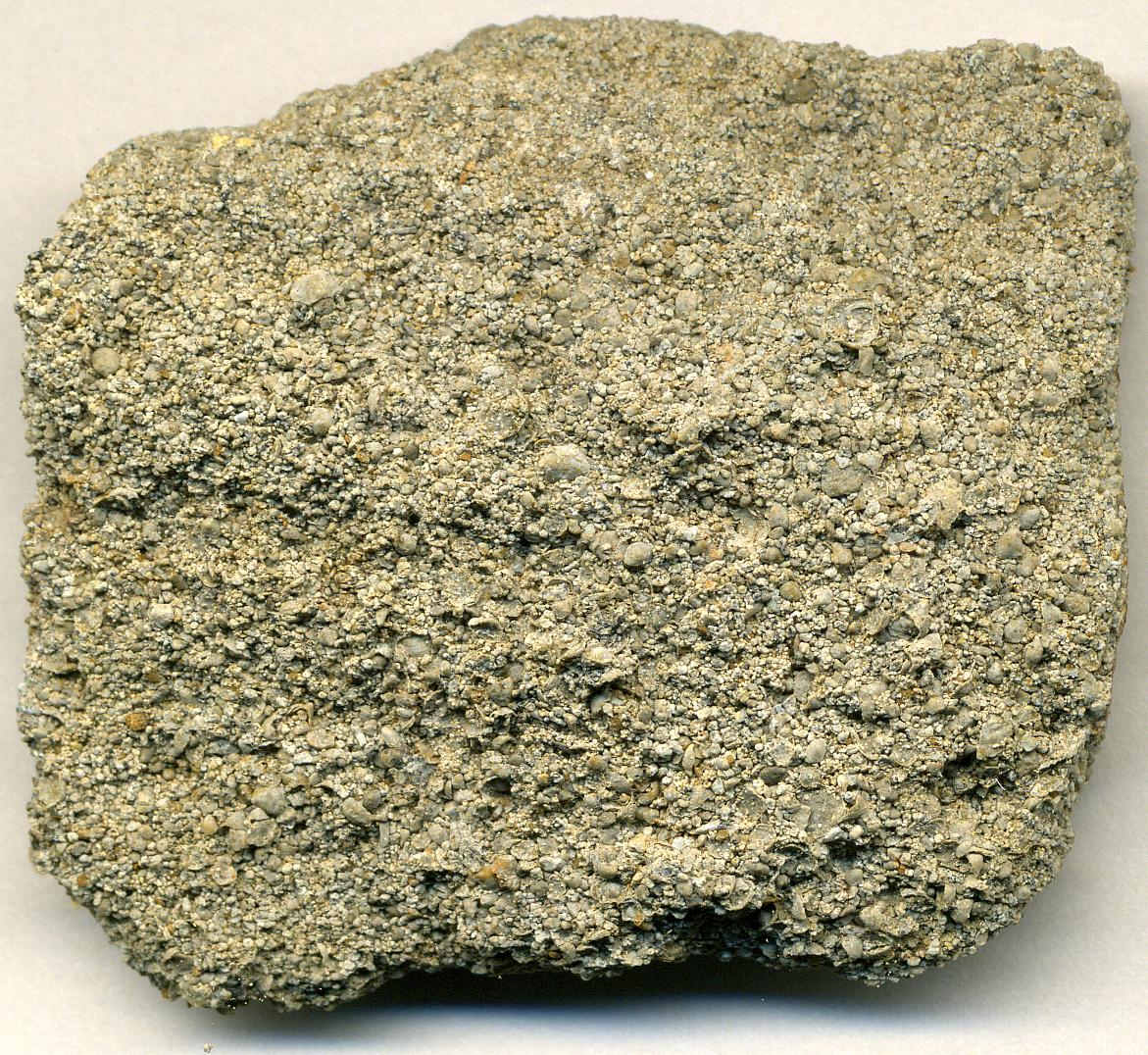

Composition and textural types
Phosphorites range from massive bedded layers to nodular, pisolitic or granular textures. The phosphate content is commonly reported as P2O5 and reflects the abundance of authigenic or biogenic apatite. Associated materials include clay, carbonates and organic matter, and deposits may contain trace metals and uranium that can be recovered as byproducts.
Formation and geological setting
These deposits form in marine environments where high biological productivity and particular oceanographic conditions concentrate phosphate. Typical settings include continental shelves influenced by upwelling, inner continental basins with restricted circulation, and areas where organic matter promotes chemical trapping of phosphorus. Diagenetic processes redistribute and concentrate phosphate into layers or nodules.
Uses and economic importance
Phosphate rock is the feedstock for phosphoric acid and phosphate fertilizers, essential to modern agriculture. It is also used in animal feed supplements, certain industrial chemicals and, historically, in detergents. Processing typically involves mining, beneficiation to upgrade P2O5 content, and chemical treatment to make soluble phosphate products.
Environmental and social issues
Mining and processing phosphorite can cause habitat disturbance, dust and water pollution; nutrient runoff from fertilizer use contributes to eutrophication of water bodies. Some deposits contain elevated radioactivity or heavy metals, raising occupational and downstream concerns. Mine reclamation and careful management of fertilizers are important mitigation measures.
Scientific and historical notes
Phosphorite layers are used by geologists and paleoceanographers as indicators of past ocean productivity and redox conditions. Historically, natural sources such as guano and rock phosphates were essential for agricultural development before industrial fertilizer manufacture. For further geological context see sedimentary rock and for mineral details see phosphate.
- Common minerals: apatite-group minerals.
- Typical settings: upwelling zones, continental shelves.
- Primary use: agricultural fertilizers (phosphoric acid, DAP/TSP products).
Author
AlegsaOnline.com Phosphorite (phosphate rock): characteristics, formation, uses, and impacts Leandro Alegsa
URL: https://en.alegsaonline.com/art/144180