
Phil Gramm
Phil Gramm (born 1942) is an American economist and former U.S. Representative and Senator from Texas, known for fiscal conservatism, major financial legislation, and a 1996 Republican presidential bid.
Overview
Phil Gramm is an American economist and politician who represented Texas in both chambers of the United States Congress. Trained as an economist and long identified with conservative fiscal policy, he served in the U.S. House of Representatives before winning election to the U.S. Senate. Gramm drew national attention for his role in shaping financial regulation and budget policy and for an unsuccessful run for the Republican presidential nomination in 1996.
Image gallery
3 Images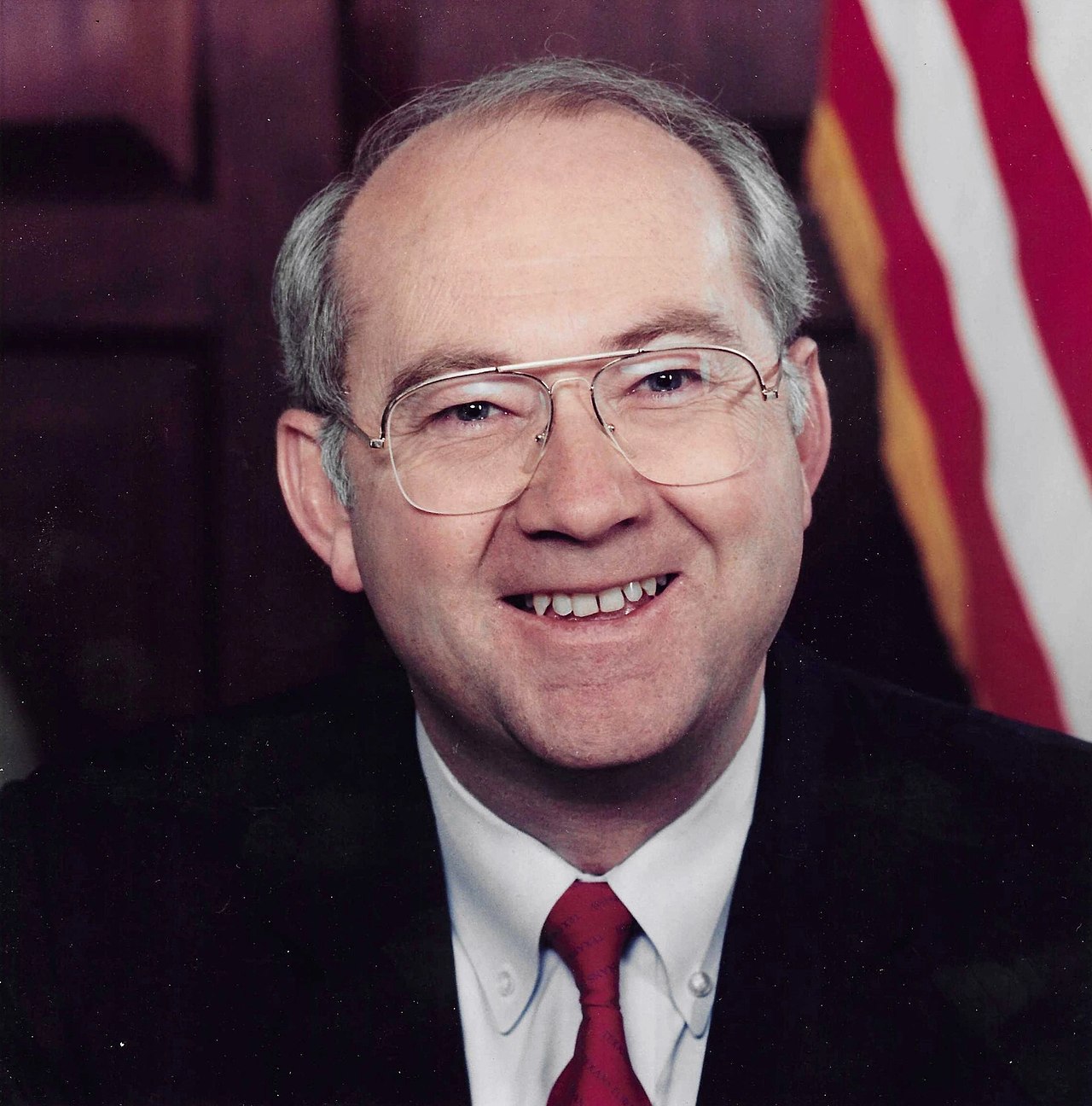


Early life and education
Gramm was born in Fort Benning, Georgia, on July 8, 1942. He earned degrees in economics from the University of Georgia and worked as an academic economist, including a teaching post at a Texas university, before entering electoral politics. His academic background informed his focus on monetary and fiscal matters once he became a legislator.
Political career
Gramm began his national political career in the U.S. House of Representatives, serving constituents in Texas during the late 1970s and early 1980s. He changed his party affiliation in the early 1980s and consolidated his position as a Republican voice on economic issues. In 1984 he won election to the U.S. Senate and was re-elected, serving through the 1990s into the early 2000s. During his Senate tenure he held leadership roles on committees dealing with budget and financial matters.
Legislative impact and priorities
Gramm became associated with major bills and policy initiatives on budgeting and financial services. His name is attached to high-profile measures aimed at balancing federal budgets and restructuring financial regulation. Notable areas of influence include efforts to constrain federal spending and to modernize the rules that govern banking and financial institutions.
- Budget and fiscal policy: active in efforts to promote deficit reduction and fiscal discipline, including bipartisan initiatives in the 1980s.
- Financial regulation: sponsor or co-author of legislation that reorganized aspects of banking law and the oversight of financial firms.
1996 presidential campaign and later life
Gramm sought the Republican presidential nomination in 1996 but withdrew before winning the nomination. After leaving the Senate he remained active in public policy debates as a commentator and adviser, particularly on economic and financial subjects.
Personal life and legacy
He is married to Wendy Lee Gramm; the couple have two children. Gramm is remembered for translating academic economic views into legislative proposals and for helping shape late-20th-century debates over fiscal policy and financial deregulation. For more detailed records of his votes, speeches and committees see official and archival resources: the House record member page, Senate history records, campaign materials 1996 campaign, and biographical resources education and biography.
Author
AlegsaOnline.com Phil Gramm Leandro Alegsa
URL: https://en.alegsaonline.com/art/144176