
Philip Nitschke: Australian end-of-life campaigner and author
Profile of Philip Nitschke, an Australian physician-turned-activist who founded Exit International and campaigned for legal voluntary euthanasia, with background, works, controversies and legal context.
Overview
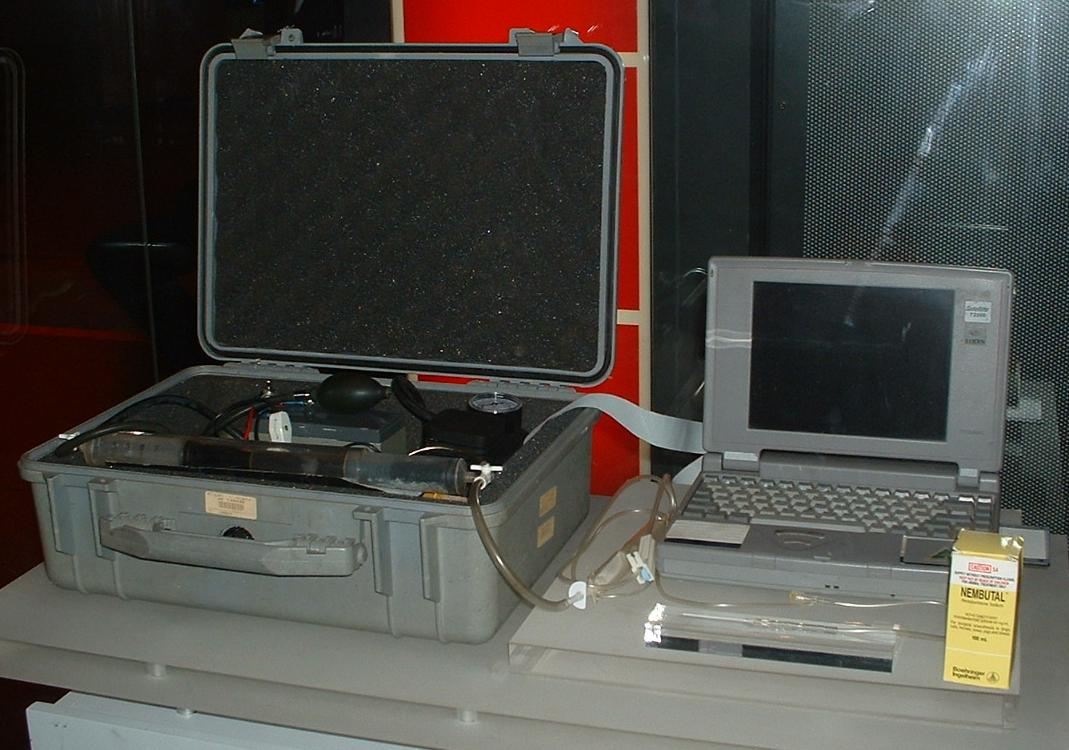
Philip Haig Nitschke (born 8 August 1947) is an Australian humanist, writer and former medical doctor. He is best known as the founder and director of the pro-euthanasia organisation Exit International, which advocates for the legal right of mentally competent adults to choose a medically supervised death. Nitschke has been a high-profile and polarising figure in public debates about assisted dying; the media have often used the nickname "Dr Death" when describing his activities.
Image gallery
2 Images
Career and activism
Nitschke came to national attention during the 1990s when the Northern Territory passed a law permitting voluntary euthanasia. He campaigned for the law and, while it was in force, assisted several people to end their lives. That period ended when the federal parliament intervened, passing legislation that removed the Territory's power to legalise assisted dying and making the practice illegal there again. The episode remains a notable example of how subnational attempts to change end-of-life policy can be affected by national law.
Writings, information and public outreach
Nitschke has authored and edited books and materials on voluntary euthanasia, including titles such as Killing Me Softly and The Peaceful Pill Handbook. His publications aim to provide practical information about methods and legal considerations for those seeking control over their deaths. These works and the dissemination of information about assisted dying have themselves been the subject of legal and political controversies in several countries, raising questions about free speech, public health, and the regulation of life-ending information.
Legal, ethical and professional response
Throughout his career Nitschke has faced legal challenges, public criticism and regulatory scrutiny. Supporters praise him as a campaigner for individual autonomy at the end of life; opponents warn that promoting methods for ending life risks harm and may circumvent safeguards. The change in the law after the Northern Territory episode, enacted by the Government of Australia, is one widely cited legal response. His activities have prompted debates about the roles and responsibilities of medical professionals, activism that crosses into practical assistance, and how society balances compassion with protection.
Background and later life
Nitschke was born in Ardrossan, South Australia; a brief biographical note indicates his birthplace as Ardrossan. In later years he has spent extended periods abroad and currently lives in the Netherlands, a country with its own regulated system for assisted dying. His international residence has featured in discussions about cross-border differences in end-of-life law and how advocates operate within differing legal frameworks.
Key facts and distinctions
- Founder of Exit International, an organisation focused on voluntary euthanasia and information sharing (Exit International).
- Assisted a small number of people to die while certain regional laws permitted it; that period ended after federal intervention in Australia (Northern Territory).
- Author of practical guides and commentaries on assisted dying; these works have driven much of the controversy around his public role.
- Described in press coverage with the sensational nickname "Dr Death", reflecting polarised public opinion.
Philip Nitschke's career illustrates the complexities that surround debates about voluntary euthanasia: the interplay of personal autonomy, medical ethics, public policy and the law. His work continues to influence discussions about how societies define and regulate assisted dying, even as views and legislation vary widely between jurisdictions.
Author
AlegsaOnline.com Philip Nitschke: Australian end-of-life campaigner and author Leandro Alegsa
URL: https://en.alegsaonline.com/art/144164