
Peter Agre — American physician and Nobel Prize–winning molecular biologist
Peter Agre (born 1949) is an American physician and molecular biologist known for discovering aquaporin water channels; Nobel laureate in chemistry and former AAAS president active in science diplomacy.
Peter Agre (born January 30, 1949) is an American physician-scientist whose laboratory discoveries reshaped understanding of how small molecules move across cell membranes. Trained in medicine and experimental biology, Agre combined clinical perspective with laboratory techniques to study membrane proteins. He held faculty appointments at Johns Hopkins, where he pursued research, teaching and public engagement.
Image gallery
8 Images




Key contributions
Agre is most widely recognized for identifying and characterizing a family of membrane proteins now called aquaporins. These proteins form selective channels that permit rapid water transport across cell membranes while excluding ions and other solutes. The discovery provided a mechanistic explanation for physiological processes such as urine concentration, brain water balance and glandular secretion, and it created a new subfield in membrane biology.
Awards and recognition
For his work on membrane channels, Agre was awarded the 2003 Nobel Prize in Chemistry, an honor he shared with Roderick MacKinnon, who was recognized for studies of ion channels. The Nobel committee cited their complementary discoveries of specialized pathways that control movement of water and ions through biological membranes. Beyond the Nobel Prize, Agre has received multiple honors from scientific societies and institutions for both research and mentorship.
Career and roles
Agre served as a professor at Johns Hopkins institutions, combining roles in clinical medicine, public health and laboratory research. His work bridged basic biochemistry and medical relevance, and he mentored generations of students and postdoctoral fellows. He has also taken leadership positions in scientific organizations, promoting research integrity and public understanding of science.
Science diplomacy and public service
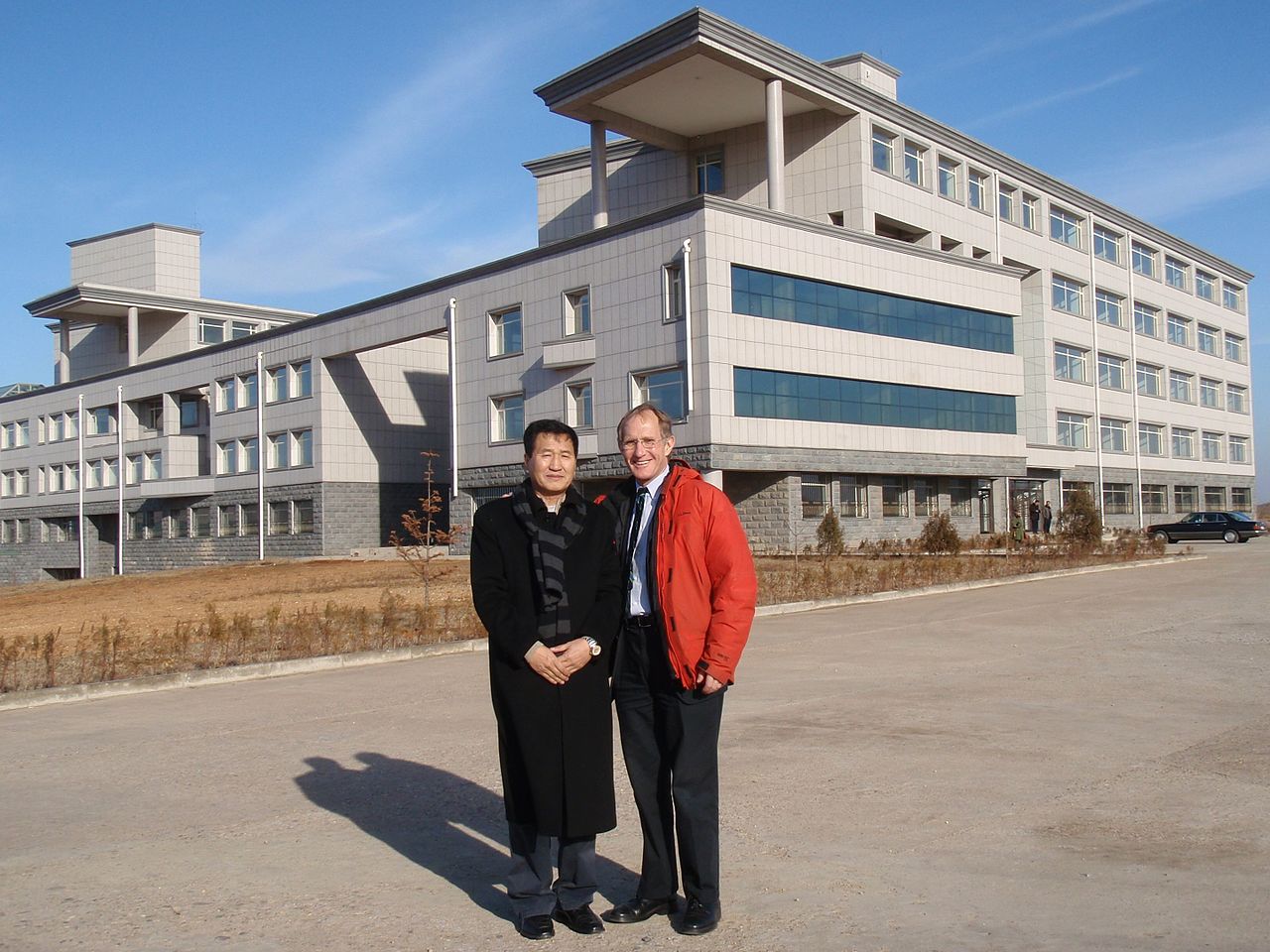
In 2009 Agre was elected president of the American Association for the Advancement of Science (AAAS). In that and other capacities he advocated for international scientific cooperation and used his position to foster dialogue between scientists in different countries. His activities in science diplomacy emphasized the role of scientific exchange in building mutual understanding and addressing global health problems.
Legacy and significance
Agre's discovery of aquaporins is a clear example of how identifying a single class of proteins can have broad implications across physiology, medicine and biotechnology. The finding opened practical and conceptual directions in clinical research, from kidney and brain disorders to efforts to harness water channels in applied settings. For more information, see his professional profile at Peter Agre.
- Field: Molecular biology, medicine
- Notable discovery: Aquaporin water channels
- Leadership: AAAS president and science diplomacy advocate
Author
AlegsaOnline.com Peter Agre — American physician and Nobel Prize–winning molecular biologist Leandro Alegsa
URL: https://en.alegsaonline.com/art/144116