
Roderick MacKinnon: Ion Channels, Structural Biology, and the Nobel Prize
Overview of Roderick MacKinnon (born 1956), his determination of ion channel structures by X-ray crystallography, Nobel Prize in Chemistry (2003), and the impact on physiology and pharmacology.
Overview
Roderick MacKinnon (born 19 February 1956) is an American biophysicist and professor known for revealing how ion channels in cell membranes select and conduct ions. He holds a laboratory appointment at Rockefeller University and has combined structural biology with electrophysiology to explain fundamental aspects of membrane transport. For an institutional profile see his Rockefeller page.
Image gallery
3 Images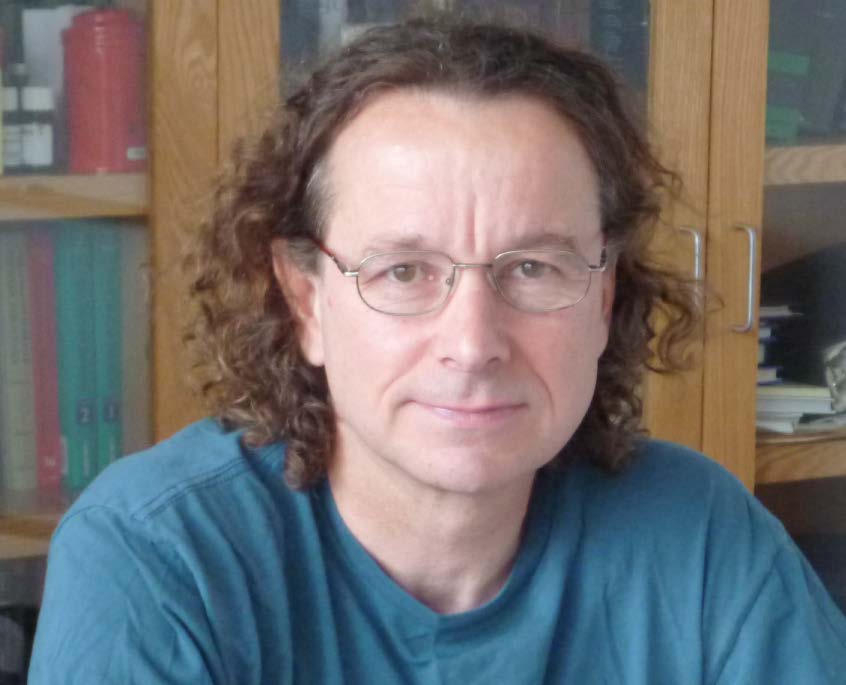


Research and major discoveries
MacKinnon's work centered on determining atomic structures of ion channels using X-ray crystallography. He resolved the structure of a bacterial potassium channel that provided the first clear picture of a pore able to distinguish potassium from other ions. These structures clarified how a narrow "selectivity filter" and surrounding protein architecture permit high rates of ion flow while maintaining selectivity.
Structure and function explained
The key conceptual advances from MacKinnon's studies include an explanation of ion selectivity, the roles of protein backbone and side chains in coordinating ions, and mechanisms of gating that open and close the pore. His structural models illustrated how physical dimensions, charge distribution, and dehydration of ions govern passage across the membrane. More on the university context and related research is available at Rockefeller University.
Key contributions
- First high-resolution structures of an ion channel pore, enabling molecular interpretation of selectivity.
- Integration of crystallography with functional measurements to link form and function.
- Development of concepts (selectivity filter, ion coordination) that are now standard in membrane biophysics.
Recognition and impact
In 2003 MacKinnon shared the Nobel Prize in Chemistry with Peter Agre for ‘‘discoveries concerning channels in cell membranes,’’ a recognition that highlighted the significance of ion channels across physiology, neuroscience, and medicine. The award citation and background are discussed in many summaries of the prize here. His findings influenced drug discovery, our understanding of electrical signaling in cells, and subsequent structural work on other channel families.
Legacy and further directions
Beyond the specific structures, MacKinnon's approach—combining detailed structural determination with functional assays—helped establish a paradigm for studying membrane proteins. Ongoing research building on his insights explores channel regulation, disease mutations that alter ion conduction, and pharmacological modulation. For publications, lab information, and resources related to this work see further resources.
Questions and answers
Q: Who is Roderick MacKinnon?
A: Roderick MacKinnon is a professor of Molecular Neurobiology and Biophysics at Rockefeller University.
Q: What did Roderick MacKinnon win the Nobel Prize in Chemistry for in 2003?
A: Roderick MacKinnon won the Nobel Prize in Chemistry in 2003 for his work on the structure and operation of ion channels.
Q: Where does Roderick MacKinnon work currently?
A: Roderick MacKinnon currently works at Rockefeller University.
Q: What is Roderick MacKinnon's field of expertise?
A: Roderick MacKinnon's field of expertise is Molecular Neurobiology and Biophysics.
Q: When was Roderick MacKinnon born?
A: Roderick MacKinnon was born on February 19, 1956.
Q: Who did Roderick MacKinnon win the Nobel Prize in Chemistry with?
A: Roderick MacKinnon won the Nobel Prize in Chemistry together with Peter Agre in 2003.
Q: What kind of research is Roderick MacKinnon known for?
A: Roderick MacKinnon is known for his research on the structure and operation of ion channels.
Author
AlegsaOnline.com Roderick MacKinnon: Ion Channels, Structural Biology, and the Nobel Prize Leandro Alegsa
URL: https://en.alegsaonline.com/art/129897