
Paul Romer — economist, endogenous growth theorist and Nobel laureate
American economist Paul Romer developed endogenous growth theory, won the 2018 Nobel Prize, served as World Bank Chief Economist, and promoted policy ideas such as charter cities.
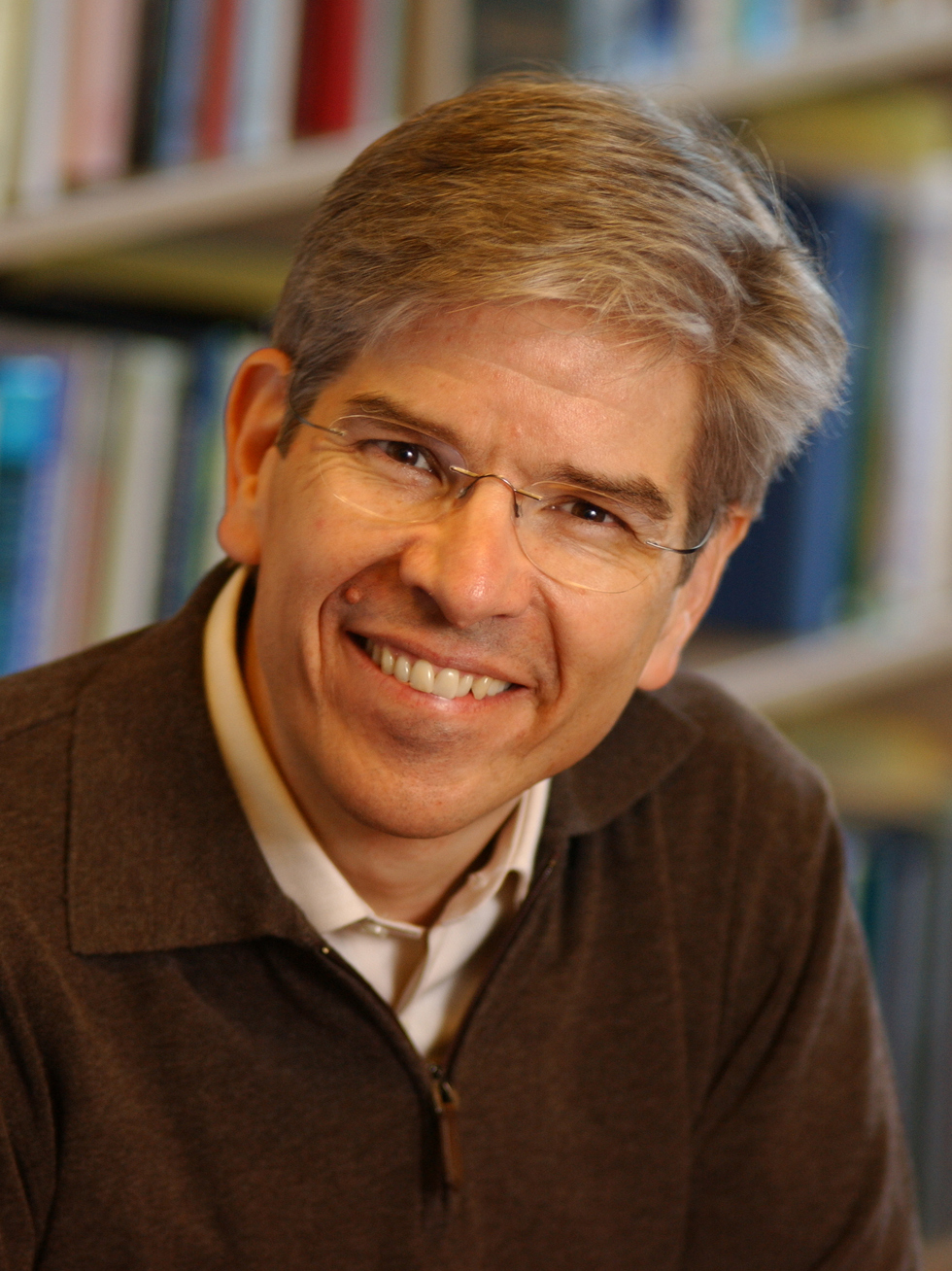
Paul Michael Romer (born November 7, 1955) is an American economist best known for formalizing the role of ideas and technological change in long-run economic growth. He developed the framework known as endogenous growth theory, which stresses that investment in knowledge, human capital, and research is a driving force for sustained expansion of productivity. For his contributions to growth theory he shared the 2018 Nobel Prize in Economic Sciences with William Nordhaus.
Image gallery
3 Images

Core contributions and concepts
Romer introduced models in which knowledge and ideas are nonrival goods: once created, they can be used by many people without being depleted. This feature allows increasing returns to scale at the level of the economy and offers a mechanism by which policy, intellectual property, and research incentives shape long-term growth. Key themes in his work include:
- Endogenous technological change: innovation arises from economic decisions and incentives rather than being an external force.
- Role of ideas: research and human capital accumulation generate spillovers that fuel productivity.
- Importance of institutions and market incentives for innovation and knowledge diffusion.
Career, awards and public engagement
Romer earned his doctorate at the Massachusetts Institute of Technology and has held academic posts including at New York University’s Stern School of Business. He served as Chief Economist and Senior Vice President of the World Bank until his resignation in January 2018 amid an internal dispute over commentary on a Bank report. He was awarded the Nobel Prize in Economics in 2018; the citation recognized work that integrated technological change into macroeconomic analysis.
Policy ideas and influence
Beyond formal theory, Romer advocated practical reforms to accelerate development. Among these is the proposal for "charter cities," which envisions creating new urban jurisdictions with different governance rules to foster investment and institutional learning. His research and advocacy have influenced academic debates on patents, urban policy, and how governments can encourage innovation-led growth.
Further reading and context
For more on his life and work see a general biographical overview, the announcement of the 2018 Nobel Prize, his academic affiliation at NYU Stern, background on his family such as his father Roy Romer, and commentary from his time at the World Bank.
Author
AlegsaOnline.com Paul Romer — economist, endogenous growth theorist and Nobel laureate Leandro Alegsa
URL: https://en.alegsaonline.com/art/144002