
Paris Saint-Germain F.C.: history, identity and global influence
Overview of Paris Saint-Germain F.C.: its origins, identity, stadium, notable players, domestic achievements, European campaigns, cultural impact and the rivalry known as Le Classique.
Overview
Paris Saint-Germain Football Club, commonly called Paris Saint-Germain, PSG or simply Paris, is a professional football club based in the French capital. Founded in 1970, the club quickly grew into one of France's leading teams and now competes at the top level of the national league system, Ligue 1. For a concise summary of the club's structure and operations see the club profile and general football resources.
Image gallery
10 Images





History and development
Created through the merger of Paris FC and Stade Saint-Germain, PSG established itself in the 1970s and rose to national prominence in later decades. A major change of scale came after investment from foreign owners in the 2010s, which funded marquee signings and expanded the club's commercial reach. For details on the club's early years and organizational milestones consult the foundation records.
Identity, colours and stadium
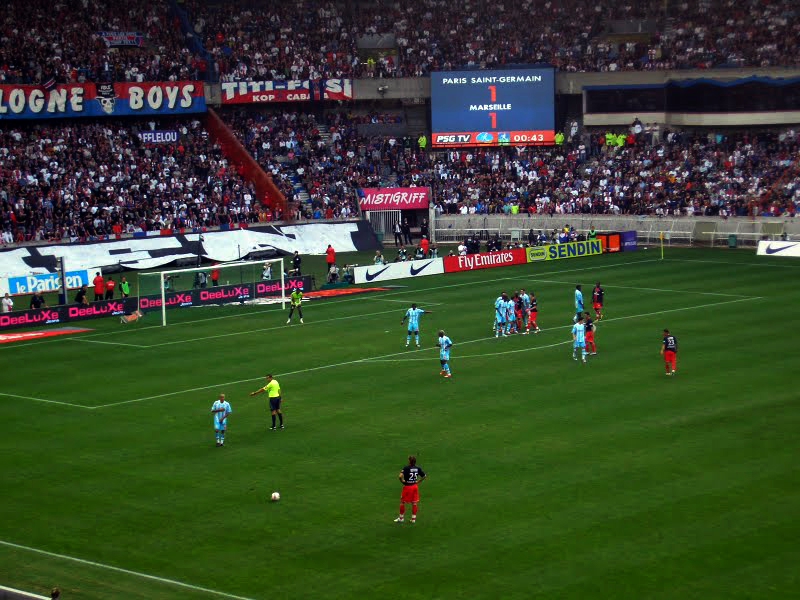
PSG is recognised by its blue, red and white colours and the emblematic crest that evokes Parisian symbols. The team is nicknamed "Les Parisiens" and frequently referred to by supporters as the Rouge-et-Bleu. Home matches are played at the Parc des Princes in western Paris, a long-standing venue associated with the club's identity and matchday atmosphere.
Sporting record and notable figures
On the domestic scene PSG has dominated many competitions in recent decades, winning numerous league titles and cups. Internationally the club has pushed deep into the UEFA Champions League, reaching the final in 2020 and regularly appearing in the competition's latter stages. High-profile players—past and present—have included globally recognised names that helped raise the club's profile:
- Leading attacking talents and global stars who have worn the shirt;
- Homegrown graduates from the academy who progressed to first-team roles;
- Coaches and directors who shaped modern sporting strategy.
Cultural impact, rivalry and commerce
PSG is a major cultural brand in French sport and an ambassador for Paris internationally. Its rivalry with Olympique de Marseille, known as Le Classique, is the country's fiercest fixture and carries deep regional and sporting significance; see rivalry coverage here. Commercially the club commands significant attention from sponsors and media partners, and its financial and brand valuation are frequently reported in business analyses (commercial valuation).
Structure and women's football
Beyond the men's first team, PSG operates a prominent youth academy and a competitive women's side that competes at the top level of the women's game in France and Europe. The club's multi-team structure underpins both player development and broader community engagement, contributing to its standing in domestic and international football.
Questions and answers
Q: What is Paris Saint-Germain Football Club?
A: Paris Saint-Germain Football Club, commonly known to as Paris Saint-Germain, Paris SG, Paris or PSG, is a French professional football club based in Paris.
Q: When was the club founded?
A: The club was founded in 1970.
Q: In which division of French football do they compete?
A: They compete in Ligue 1, the top division of French football.
Q: Where is their home stadium located?
A: Their home stadium is the Parc des Princes.
Q: Who are their long-standing rivals?
A: PSG have a long-standing rivalry with Olympique de Marseille. The rivalry is known as Le Classique.
Q: How much are they worth according to Forbes?
A: According to Forbes, PSG are worth $1.092b.
Author
AlegsaOnline.com Paris Saint-Germain F.C.: history, identity and global influence Leandro Alegsa
URL: https://en.alegsaonline.com/art/143927