
Pamela Rendi-Wagner: Austrian physician and SPÖ politician
Austrian physician and politician, born 1971. First woman to lead the Social Democratic Party (SPÖ); former Minister of Health and Women and long-serving member of the National Council.
Overview
Pamela Rendi-Wagner (born 7 May 1971) is an Austrian physician and politician. She became the chairwoman of the Social Democratic Party (SPÖ) in November 2018, the first woman to hold that office in the party's history. Her background in medicine and public health has shaped her public profile and political priorities.
Image gallery
4 Images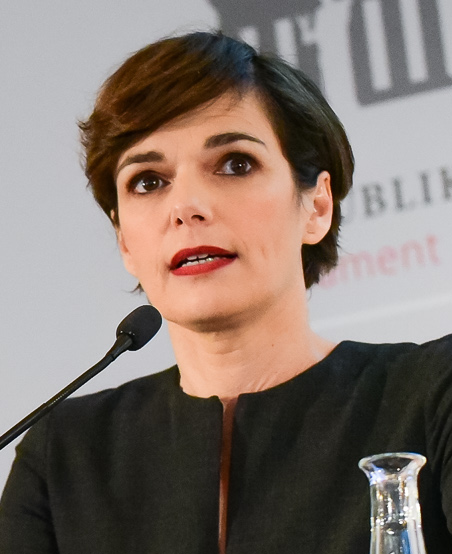


Early life and medical career
Rendi-Wagner trained as a medical doctor and later worked in clinical and public-health settings. Before entering frontline politics she was involved in health administration and public-health projects, combining medical practice with policy-oriented work. Her professional experience gave her expertise in healthcare systems, preventive medicine and population health, which she has cited as a foundation for her political agenda.
Political career
She served as Austria's Minister of Health and Women from March to December 2017 in the federal government, a brief tenure during which she focused on health policy, prevention and gender-equality issues. In November 2017 she won a seat in the National Council. From October 2018 she served as the SPÖ's parliamentary leader and in November 2018 she was elected party chairwoman.
Positions and initiatives
Rendi-Wagner has emphasized strengthening public healthcare, expanding preventive services, and protecting social welfare programs. Her medical training has led her to advocate evidence-based approaches to public policy, with frequent public commentary on health crises and social determinants of health. She has also highlighted women's rights, equal opportunity and family-support measures as central elements of her platform.
Significance and reception
Her election as party leader marked a historic moment for the SPÖ and drew attention to the role of professional expertise in political leadership. Observers have noted that translating a public-health perspective into electoral gains presents strategic challenges: during her leadership the party navigated competitive national elections and efforts to modernize messaging and policy priorities. Supporters view her as a reformer who brought technical knowledge to politics; critics have sometimes questioned leadership style and electoral strategy.
Key roles and timeline
- Born 7 May 1971; trained and worked as a physician.
- Minister of Health and Women (March–December 2017).
- Member of the National Council (from November 2017).
- SPÖ parliamentary leader (from October 2018) and SPÖ chairwoman (from November 2018).
For official biographical details and statements, consult primary party materials and public records: see the party site and official profiles linked above.
Author
AlegsaOnline.com Pamela Rendi-Wagner: Austrian physician and SPÖ politician Leandro Alegsa
URL: https://en.alegsaonline.com/art/143885