
P. D. James: Life and Work of the English Crime Novelist
Overview of P. D. James (1920–2014), creator of Adam Dalgliesh, her major works, themes, honours and adaptations, and her place in twentieth‑ and twenty‑first‑century crime fiction.
Overview
Phyllis Dorothy James, known to readers as P. D. James (3 August 1920 – 27 November 2014), was an English author whose career brought literary depth to modern crime fiction. She became best known for a long series of detective novels featuring Adam Dalgliesh, a police commander who is also a poet, and for several acclaimed stand‑alone novels. Her writing combined procedural detail with psychological insight and a strong sense of setting.
Image gallery
5 Images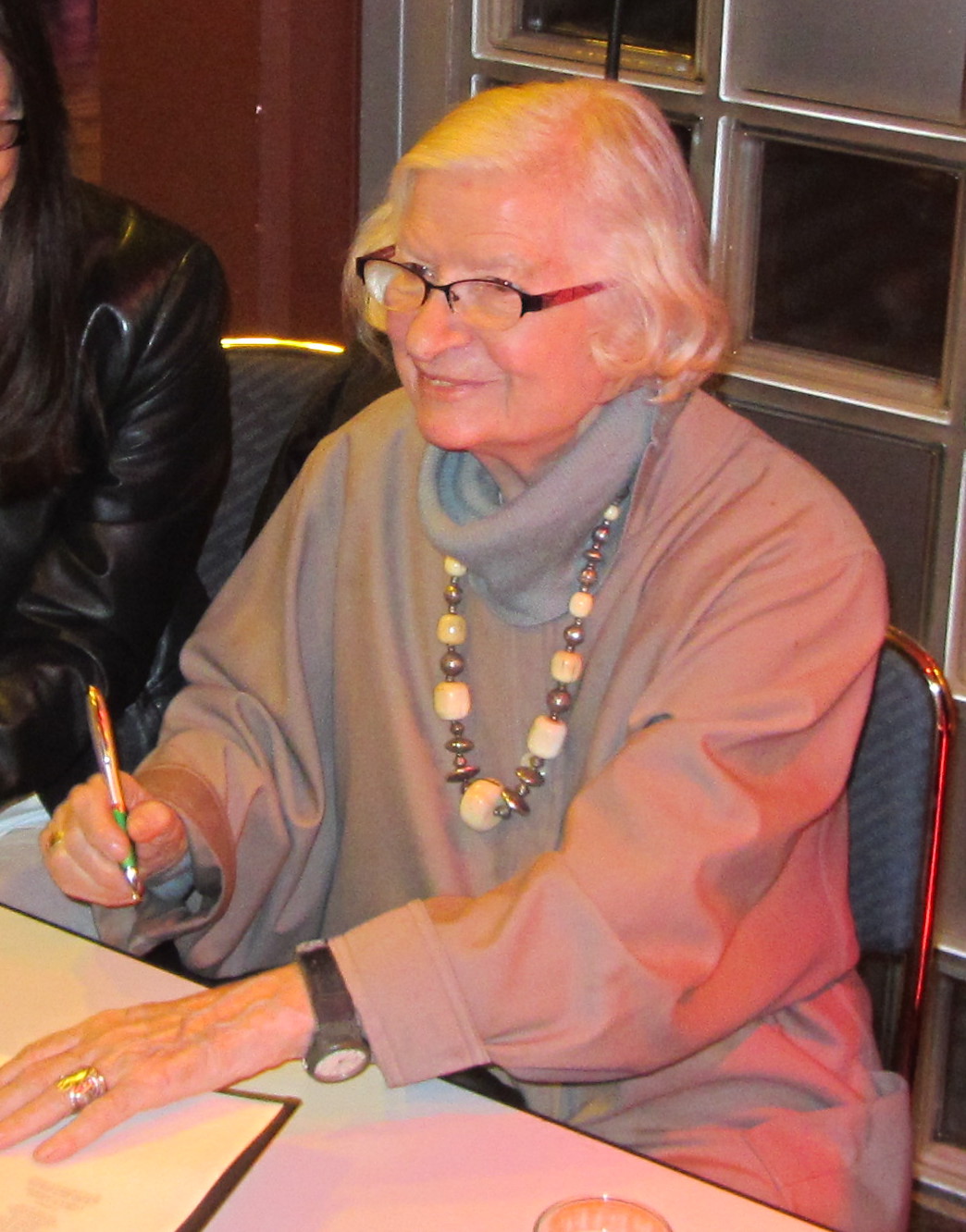


Style and themes
James's fiction often blends classical detective conventions with contemporary social observation. She was praised for meticulous plotting, careful attention to forensic and investigative procedure, and richly drawn characters whose inner lives matter as much as the external clues. Recurring themes include mortality, moral ambiguity, class and institutional life, and the tensions between private grief and public duty.
Major works and adaptations
- Adam Dalgliesh series — beginning with Cover Her Face, the series spans more than a dozen novels and follows Dalgliesh’s investigations, professional progress, and personal losses.
- Stand‑alone novels — notable titles include the dystopian novel The Children of Men, later adapted into a feature film, and other works that explore social and ethical dilemmas outside the series format.
- Pastiches and continuations — James also wrote respectful continuations and pastiches of classic material, and several of her books have been adapted for television and radio, extending her reach beyond the printed page.
Career, honours and public life
Before achieving fame as a novelist James held a variety of professional posts, and she turned to fiction in midlife with notable success. She received official recognition for her contribution to literature and public life: she was appointed to honours and elected to learned societies, and in 1991 she was created a life peer in the House of Lords as Baroness James of Holland Park, taking a place in national public affairs while continuing to write.
Legacy and influence
P. D. James is widely regarded as one of the leading British crime writers of the late twentieth century. Her novels helped raise the literary profile of crime fiction, showing that the genre can accommodate philosophical reflection and sustained character study. Contemporary crime writers frequently cite her influence in integrating procedural realism with literary ambition.
Further reading and resources
For official biographies, bibliographies and archival material, see the following resources and institutional pages: biographical summary, bibliography and works list, adaptations and media, Honours and public service, and scholarly evaluations.
Note: This article summarizes widely known aspects of James's life and work without exhaustive citation. For detailed publication dates, complete lists of honours, and full critical studies consult specialist bibliographies and library resources linked above.
Author
AlegsaOnline.com P. D. James: Life and Work of the English Crime Novelist Leandro Alegsa
URL: https://en.alegsaonline.com/art/143831