
Olof Thunberg — Swedish actor, director and voice artist
Fritz-Olof Thunberg (1925–2020) was a Swedish actor and director noted for his deep voice, radio horror programmes, extensive dubbing work and long influence on children’s media.
Fritz-Olof Thunberg (21 May 1925 – 24 February 2020) was a Swedish performer and director whose career spanned stage, screen and radio. He became widely recognized in Sweden for the distinctive depth of his voice and for work that ranged from dramatic radio to family entertainment. His life and career left a lasting mark on mid-20th century Swedish broadcasting and children’s recordings.
Image gallery
4 Images

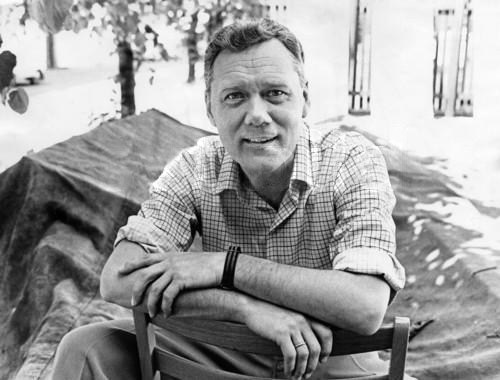

Career and roles
Thunberg worked across several media: theatre productions, film and television appearances, radio series, and voice acting for animated features and audio recordings. He reached particularly broad audiences through radio plays and narrated recordings that showcased both drama and a flair for storytelling. As a voice artist he contributed to the Swedish-language versions of international animated films and to domestic children’s productions.
- Radio: best known for the eerie radio programme often referred to as Mannen i svart ("The Man in Black"), which highlighted his ability to convey suspense and atmosphere.
- Children’s media: voiced prominent characters in adaptations and recordings, including work connected to the popular cartoon figure Bamse and the detective Agaton Sax.
- Dubbing: provided Swedish voices for several Disney features and other international animated films, helping bring those stories to Swedish-speaking audiences.
Style and significance
Thunberg’s deep, resonant voice became a professional trademark. It suited both the ominous tones of radio horror and the warm, authoritative narrations required for children’s stories. His versatility allowed him to move between genres, and his recordings became familiar to generations of listeners in Sweden.
Personal life and legacy
He is part of a family that remains publicly known; for example, his granddaughter is the environmental activist Greta Thunberg. Thunberg died at his home in Nacka, Sweden, on 24 February 2020 at the age of 94. The place of his death is recorded as Nacka.
For further background on his career as an actor and director and his recorded works, reference collections of Swedish radio history and archives of dubbed films and children’s audio productions. His contributions illustrate the impact a single performer can have on national broadcasting traditions and on the oral culture of children’s entertainment.
Author
AlegsaOnline.com Olof Thunberg — Swedish actor, director and voice artist Leandro Alegsa
URL: https://en.alegsaonline.com/art/143652