
Greta Thunberg: Swedish climate activist and catalyst for youth-led climate strikes
Greta Thunberg (born 2003) is a Swedish environmental activist who sparked a global student movement calling for urgent action on climate change. This article summarizes her background, methods, key events, reception and legacy.
Overview
Greta Thunberg (born 3 January 2003) is a Swedish climate activist known for initiating and popularizing school strikes for climate and for her outspoken appeals to political and economic leaders. Her public activism emphasizes the scientific consensus on human-caused climate change, the need for rapid emissions reductions, and the moral dimension of intergenerational justice. Coverage of her work spans news outlets, documentary films and academic discussion; readers can find further background in various biographical and topical resources such as biographical sources and summaries of climate science.
Image gallery
10 Images




Origins and development of her activism
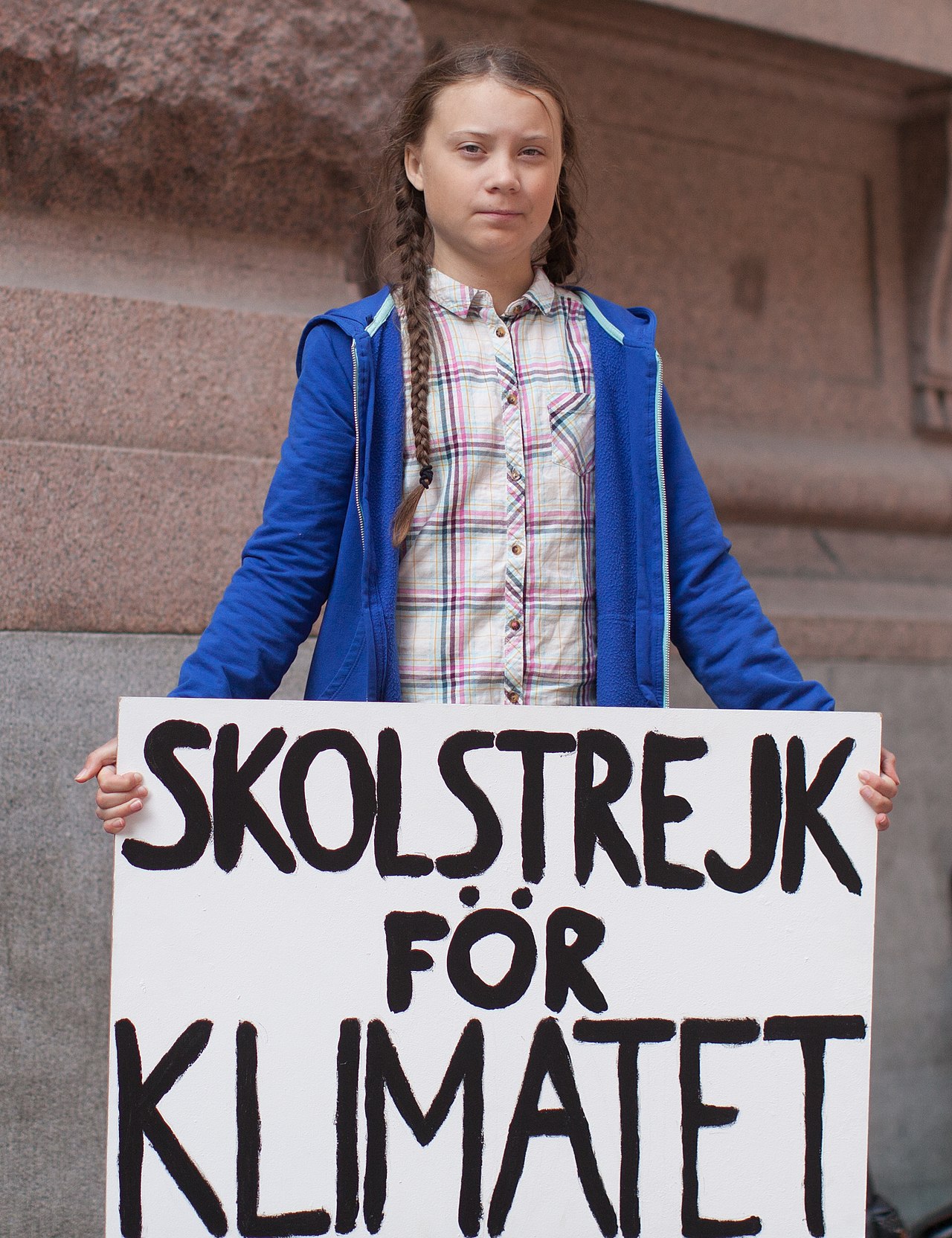
Thunberg began striking from school on 20 August 2018, sitting outside the Swedish Parliament to demand stronger national policies on greenhouse gas emissions. Her solitary protest soon attracted attention in Sweden and internationally. In December 2018 she participated in a major United Nations climate meeting, and in January 2019 she spoke at the annual meeting of global political and business leaders convened by the World Economic Forum in Davos. These appearances helped amplify the simple tactic she favored — public, peaceful refusal to follow routine when leaders do not act — into a broader movement.
Methods, themes and public image
Thunberg’s approach combines direct public protest, plainspoken speeches, and reliance on scientific reports produced by climate researchers. She and many who joined her movement focused on the following themes:
- Urgency: stressing that near-term action is required to avoid severe impacts;
- Accountability: addressing political leaders and institutions to match policy with scientific recommendations;
- Youth voice: framing the issue as one that disproportionately affects younger and future generations;
- Nonviolent protest: using school strikes, demonstrations and speeches rather than partisan campaigning.
Major events and recognitions
Activities associated with Thunberg and the student-led strikes grew rapidly. Notable milestones include a widespread wave of coordinated youth climate strikes that took place in March and May 2019, which drew hundreds of thousands to over a thousand demonstrations worldwide. She was nominated for the Nobel Peace Prize by several members of the Norwegian parliament and received multiple awards and honorary mentions from organizations and media. In December 2019 she was named Time magazine’s Person of the Year — a recognition reported under the title Person of the Year by that outlet.
Criticism, controversy and debate
Thunberg has become a polarizing public figure. Supporters praise her for raising awareness and mobilizing new constituencies for climate action, while critics question her methods, the role of celebrity in politics, or the feasibility of some policy demands. Media coverage and commentary have debated the best pathways from protest to policy, the responsibilities of democratic institutions, and how international cooperation can address a global problem. Her prominence has also prompted discussion of how personal narratives and youth movements interact with established environmental organizations.
Legacy and significance
Regardless of one’s view of her tactics, Thunberg’s influence on public debate about climate change is widely acknowledged: she helped put youth-led mobilization at the center of discussions on urgency and fairness in climate policy. The movement she inspired continues to evolve, with activists pursuing litigation, local policy campaigns, scientific advocacy and educational initiatives. For readers seeking more context on the events that raised her public profile or related institutions, see coverage connected to Stockholm and international forums such as the World Economic Forum.
Questions and answers
Q: Who is Greta Thunberg?
A: Greta Thunberg is a Swedish activist known for her work against climate change.
Q: When did Greta Thunberg start protesting?
A: Greta Thunberg started protesting on August 20th, 2018, outside of the Swedish Parliament in Stockholm.
Q: Where did Greta Thunberg give a speech in January 2019?
A: Greta Thunberg gave a speech on the World Economic Forum in Davos in January 2019.
Q: Has Greta Thunberg received any awards?
A: Yes, Greta Thunberg has received many awards.
Q: Who nominated Greta Thunberg for the Nobel Peace Prize in 2019?
A: Three Norwegian MPs nominated Greta Thunberg for the Nobel Peace Prize in 2019.
Q: What happened on March 15th, 2019, in relation to Greta Thunberg's work?
A: On March 15th, 2019, approximately 1,400,000 people around the world, mainly students, protested against climate change.
Q: What recognition did Greta Thunberg receive in December 2019?
A: In December 2019, Time magazine named Greta Thunberg Time Person of the Year 2019.
Related articles
Author
AlegsaOnline.com Greta Thunberg: Swedish climate activist and catalyst for youth-led climate strikes Leandro Alegsa
URL: https://en.alegsaonline.com/art/120069
Sources
- theguardian.com : "The Swedish 15-year-old who's cutting class to fight the climate crisis"
- huffpost.com : "16-Year-Old Climate Activist Greta Thunberg Nominated For Nobel Peace Prize"
- peoplesdispatch.org : "Over 1 million students across the world join Global Climate Strike"
- cbsnews.com : "Greta Thunberg is Time's 2019 Person of the Year"
- sympatico.ca : "À 15 ans, elle remet les dirigeants mondiaux à leur place!"
- democracynow.org : "School Strike for Climate: Meet 15-Year-Old Activist Greta Thunberg, Who Inspired a Global Movement"
- heavy.com : "Greta Thunberg: 5 Fast Facts You Need to Know"
- youtube.com : School strike for climate – save the world by changing the rules
- straitstimes.com : "Climate crusading schoolgirl Greta Thunberg pleads next generation's case"
- plantbasednews.org : "Environmentalist Greta Thunberg Made Her Parents Feel Guilty For Eating Meat And Dairy"
- repubblica.it : "Greta Thunberg, la paladina del clima: "Mamma non vuole ma salverò il pianeta""
- penguin.co.uk : "No One Is Too Small to Make a Difference"
- bbc.com : "Giant Greta mural painted in Bristol"