
Oliver Wolcott Jr.: U.S. Treasury Secretary and Governor of Connecticut
Profile of Oliver Wolcott Jr. (1760–1833), who led the U.S. Treasury from 1795–1800 and served as Connecticut governor from 1817–1827, with context on his roles, background, and legacy.
Overview
Oliver Wolcott Jr. (January 11, 1760 – June 1, 1833) was an American political figure who held senior fiscal and executive office in the early republic. He is best known for serving as the United States Secretary of the Treasury from 1795 to 1800 and later as governor of Connecticut from 1817 to 1827. He belonged to a prominent New England family and played a role in continuing federal financial administration after the founding generation.
Image gallery
5 Images
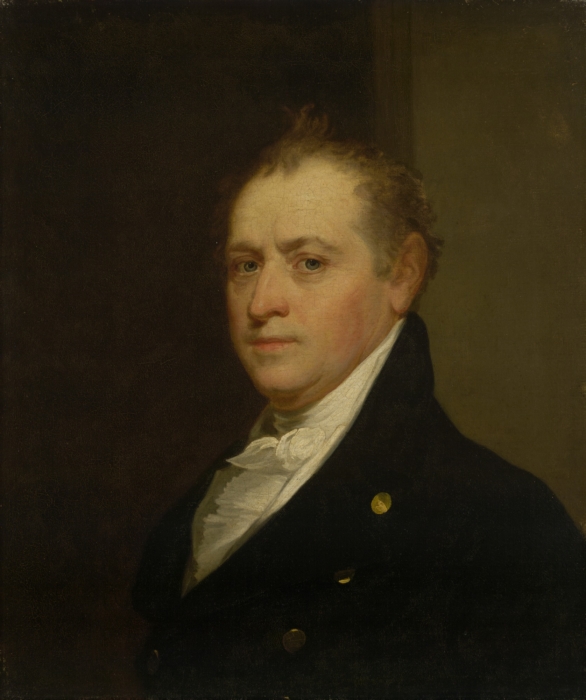
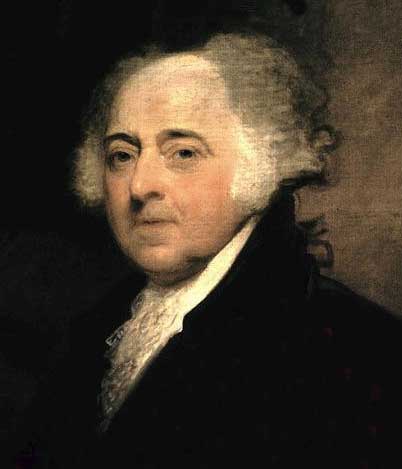


Background and early career
Born into a politically active household, Wolcott Jr. grew up during the Revolutionary era. His father, Oliver Wolcott Sr., was a signer of the Declaration of Independence and an influential Connecticut leader. The younger Wolcott moved into public service as the new nation organized its institutions, gaining experience in financial and administrative matters that prepared him for national office.
As Secretary of the Treasury (1795–1800)
Appointed to lead the Treasury Department after the resignation of its first secretary, Wolcott Jr. managed the department during a formative decade. His tenure involved overseeing revenue collection, public debt administration, and support of policies that maintained credit for the United States. While the broad framework for federal finance had been laid earlier, his role was to implement and administer those systems amid the political and economic strains of the 1790s.
Governor of Connecticut (1817–1827)
After returning to state affairs, Wolcott served a decade as Connecticut's governor. In that office he presided over state government during a period of economic and social change in the early 19th century. Responsibilities included guiding state policy, overseeing administration, and representing Connecticut's interests in a time when states shaped much of daily governance for citizens.
Legacy and notable facts
Wolcott's career links early federal financial administration with state leadership. He is often noted for continuing the work of the Treasury in the years after the department's establishment and for his long stewardship of Connecticut's executive office. Key points:
- Federal service: Served as United States Secretary of the Treasury from 1795 to 1800.
- State leadership: Governor of Connecticut from 1817 to 1827; active in state politics for many years after national service.
- Family connection: Son of a signer of the Declaration of Independence, illustrating a family tradition of public service.
Wolcott's life illustrates how early American leaders often moved between federal and state roles, shaping institutions at both levels. He died in 1833, remembered as part of the generation that established practical governance in the new nation.
Author
AlegsaOnline.com Oliver Wolcott Jr.: U.S. Treasury Secretary and Governor of Connecticut Leandro Alegsa
URL: https://en.alegsaonline.com/art/143645