
O. J. Simpson murder case (People of the State of California v. O. J. Simpson)
A high-profile 1994–1995 Los Angeles criminal trial in which former NFL star O. J. Simpson was charged with the murders of Nicole Brown Simpson and Ron Goldman; acquitted in criminal court and later found liable in a civil suit.
Overview
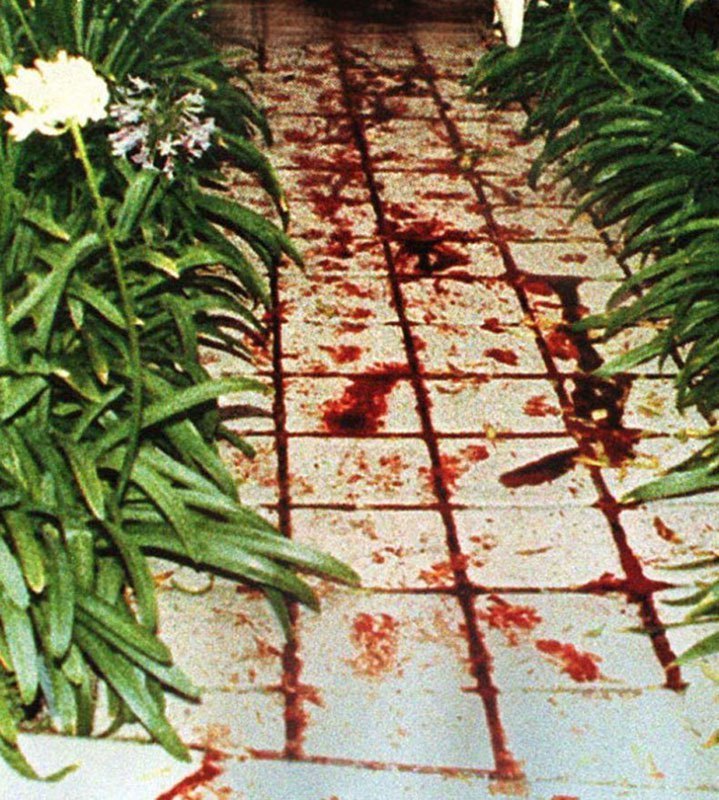
The O. J. Simpson murder case (People of the State of California v. Orenthal James Simpson) was a widely publicized criminal prosecution held in Los Angeles. The defendant, former NFL player, broadcaster, and actor O. J. Simpson, was charged with two counts of murder for the deaths of his ex-wife, Nicole Brown Simpson, and her friend Ron Goldman, who were found stabbed outside Brown's condominium on the night of June 12–13, 1994. The case drew extraordinary media attention and became a national cultural event in the United States.
Image gallery
10 Images








Investigation and notable events
After the killings were discovered, Simpson was identified as a person of interest. He did not immediately surrender to police; on June 17, 1994 he was the subject of a slow-speed pursuit in a white 1993 Ford Bronco driven by a friend. The televised chase was watched by a very large television audience and remains one of the most visible moments associated with the case. Simpson was arrested later that day and charged with two counts of murder.
Trial, evidence and defenses
The criminal trial began with jury selection in late 1994 and proceeded through opening statements in January 1995. Over the course of the proceedings prosecutors presented physical evidence, testimony about the relationship between Simpson and Brown, and forensic material from the scene. The defense team challenged the handling and interpretation of evidence and raised questions about police conduct and possible contamination. The trial featured complex forensic testimony, extensive media coverage, and high-profile legal advocacy on both sides.
Verdict and civil proceedings
On October 3, 1995, the jury returned a verdict finding Simpson not guilty on the murder charges, a result that ended the criminal case. Public reaction was sharply divided. In a separate civil trial brought by the victims' families, a jury later found Simpson liable for the wrongful deaths and awarded monetary damages to the plaintiffs. No further criminal convictions for those killings have occurred, and the homicides officially remain unresolved.
Timeline and key participants
- June 12–13, 1994: Fatal stabbings of Nicole Brown Simpson and Ron Goldman.
- June 17, 1994: Low-speed police pursuit of a white Ford Bronco and subsequent arrest.
- November 1994–October 1995: Criminal jury trial with wide media coverage.
- October 3, 1995: Criminal acquittal returned by the jury (verdict).
- Post-trial: Civil wrongful-death action resulted in a finding of liability.
Impact and notable facts
The case influenced public discourse on race, policing, forensic science, celebrity, and the media’s role in high-profile criminal matters. It propelled debates over evidence presentation, jury selection, and courtroom strategy that continue to be referenced in legal education and reform discussions. The trial is often cited as one of the most publicized criminal proceedings in modern American history and remains a touchstone in discussions about the intersection of celebrity and the criminal justice system.
For further context on individuals and objects central to the story, see references denoted by links to NFL, O. J. Simpson, Nicole Brown Simpson, Ron Goldman, the white Ford Bronco chase, and the criminal verdict (acquitted).
Author
AlegsaOnline.com O. J. Simpson murder case (People of the State of California v. O. J. Simpson) Leandro Alegsa
URL: https://en.alegsaonline.com/art/143541