
O'Brien County, Iowa
O'Brien County is a largely rural county in northwest Iowa, with a small population, agricultural economy, and Primghar as its county seat. It developed during 19th-century settlement and railroad expansion.
O'Brien County is a county in the U.S. state of Iowa. Located in the northwestern portion of the state, the county is characterized by open farmland, small towns and a dispersed rural population. According to the 2010 census, 14,398 people lived there. The administrative center and county seat is Primghar, a small town that serves as the local hub for government and services.
Image gallery
3 Images
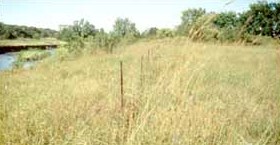

Geography and characteristics
O'Brien County occupies a landscape typical of the interior Midwest: rolling to gently sloping plains with fertile soils used mainly for row crops and pasture. Towns and villages are spaced across the county and are linked by county roads and regional highways. Natural features include small streams, drainage systems and patches of remnant prairie or wetland.
History and development
The area that became O'Brien County was opened to non-indigenous settlement in the 19th century as part of westward expansion and the organization of Iowa counties. Towns in the county grew up around agricultural trade and, later, rail lines, which influenced the pattern of settlement and local commerce.
Economy and communities
The county economy is predominantly agricultural, with farms producing corn, soybeans and livestock among other products. Local communities provide education, health care, retail and public services to surrounding rural areas. Several small towns contribute to the county’s social and civic life, and county institutions manage roads, law enforcement and property records.
Demographics and government
Population density is low compared with urban counties; residents typically live in family farms, small towns or unincorporated areas. County government is managed from the county seat; the term county seat denotes the location of administrative offices and courthouses. Local government responsibilities include maintaining infrastructure and administering elections.
Notable facts and distinctions
- Primghar is the seat and focal point for civic functions in the county (Primghar).
- The county’s development reflects broader patterns in Iowa and the Upper Midwest: agriculture-centered economies, small-town social structures, and a history tied to 19th-century settlement and transportation networks.
Author
AlegsaOnline.com O'Brien County, Iowa Leandro Alegsa
URL: https://en.alegsaonline.com/art/143535