
Nuclear submarine: propulsion, roles, and development
A submarine powered by an onboard nuclear reactor, capable of prolonged submerged operations and sustained high speed. Overview of design, history, types, operational uses, and notable characteristics.
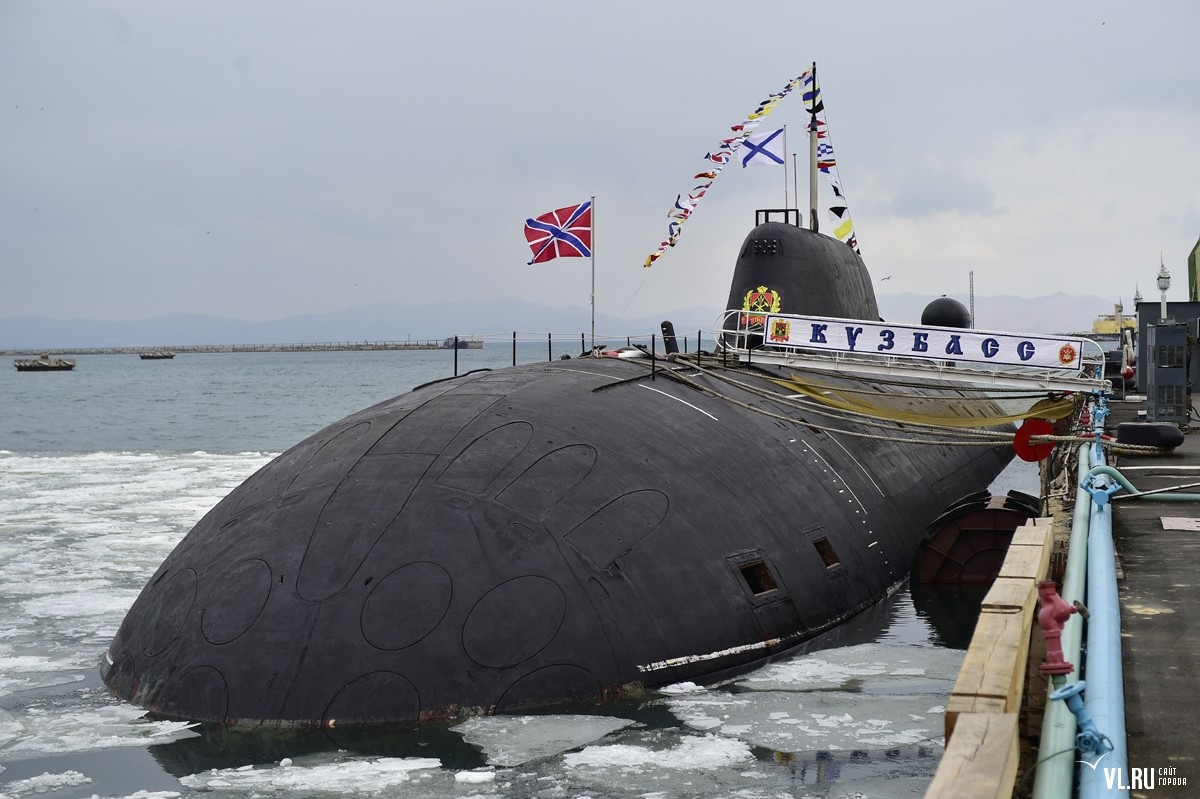
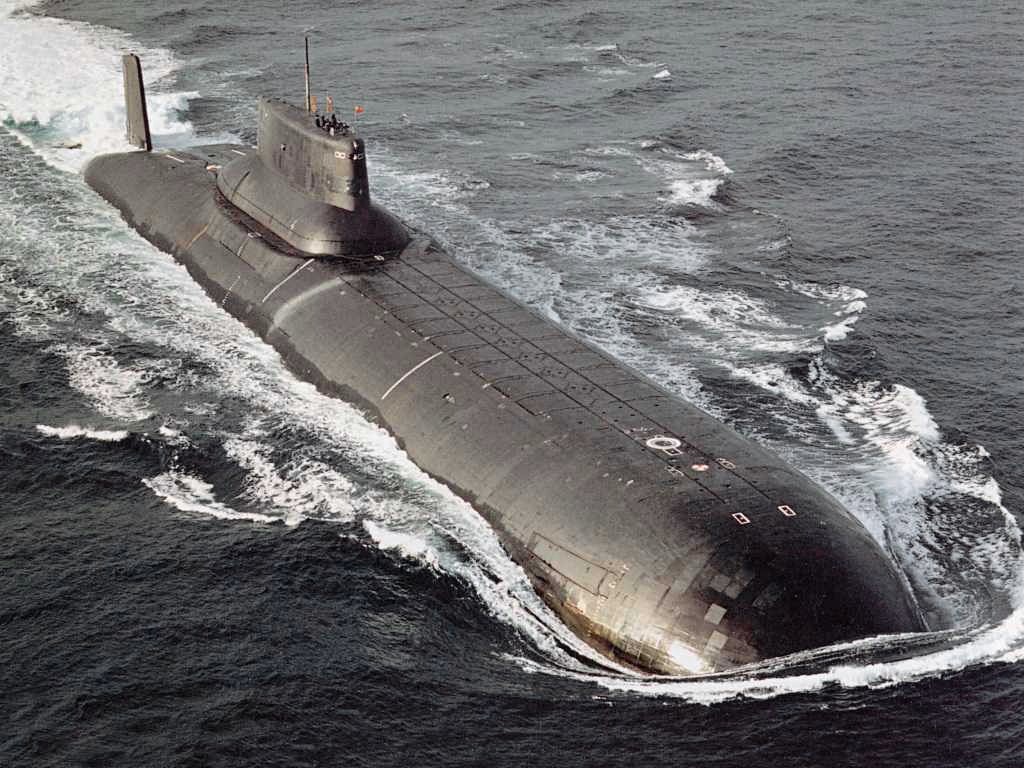
A nuclear submarine is a watercraft that uses a nuclear reactor for primary propulsion and onboard power. Because the reactor generates a large, continuous amount of energy, a nuclear submarine can remain submerged far longer than diesel-electric types and sustain high speeds for extended periods. The basic idea combines the hull and systems of a conventional submarine with an onboard nuclear reactor to drive propellers or pump jets and to supply electricity for sensors and life support.
Image gallery
10 Images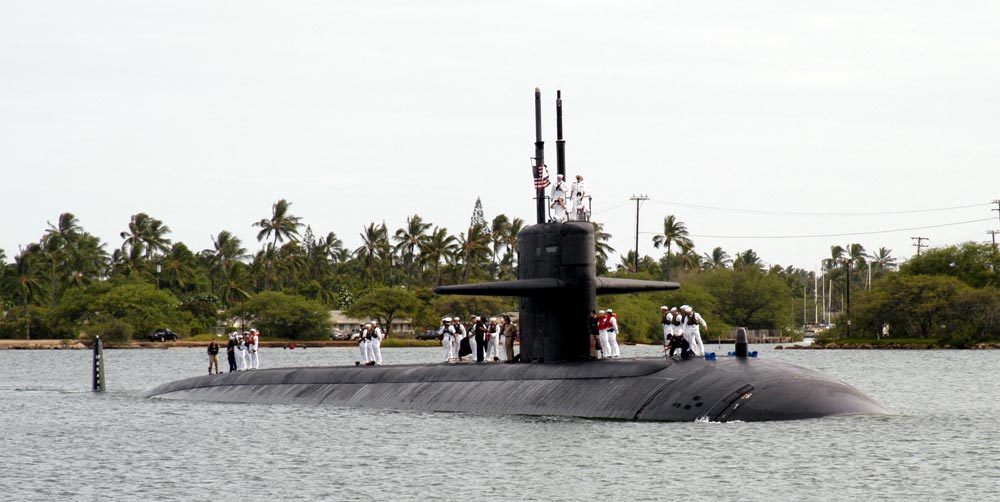



Characteristics and major components
Key elements include a pressure-resistant hull, a nuclear steam plant or pressurized water reactor, propulsion machinery, and systems for navigation, communications, and weapons. The reactor heats water to produce steam (or drives turbines directly in some designs), which powers turbines connected to the drive train and generators. Unlike conventional submarines, endurance is typically limited by food supplies and crew stamina rather than fuel; many modern designs are intended to operate for decades between major reactor overhauls.
Types and operational roles
Nuclear submarines fulfill several strategic and tactical roles. Principal categories are:
- Attack submarines (SSN) — fast, maneuverable boats designed to hunt other submarines and surface ships and to support carrier and task-group operations.
- Ballistic missile submarines (SSBN) — platforms for strategic nuclear deterrence, carrying submarine-launched ballistic missiles (SLBMs) with long-range warheads.
- Cruise missile submarines (SSGN) — equipped with land-attack or antiship cruise missiles for precision strikes and special operations support.
The stealthy nature of submarines, combined with near-unlimited range and endurance, makes nuclear-powered types central to modern naval strategy for surveillance, power projection, and strategic deterrence.
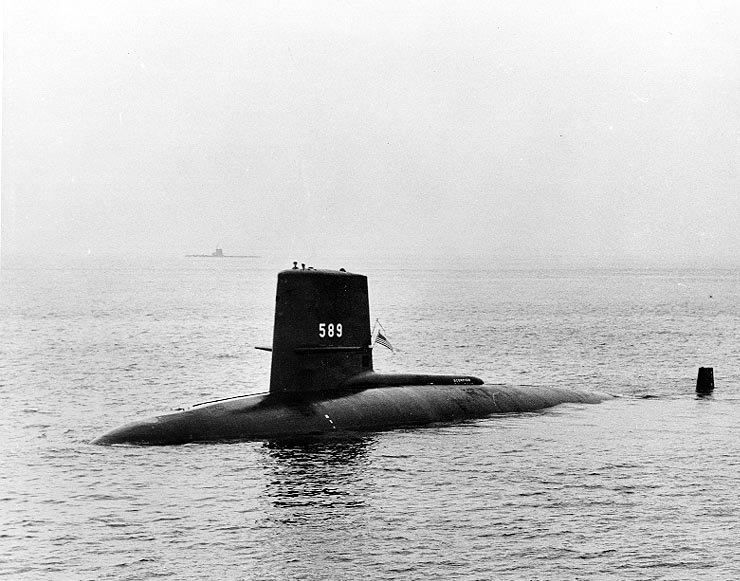
Development began in the mid-20th century; the first operational nuclear submarine demonstrated the viability of sustained high-speed submerged operations and transformed naval tactics and force structure. Over time, reactor technology, hull designs, acoustic quieting, and sonar systems improved to increase survivability and effectiveness.
Advantages include long submerged endurance, high sustained speed, and large onboard electrical power. Drawbacks and challenges involve complex maintenance, high construction and decommissioning costs, and political and environmental concerns surrounding nuclear materials and accidents. Despite these issues, nuclear submarines remain a cornerstone of several nations' naval capabilities and strategic deterrent forces.
Author
AlegsaOnline.com Nuclear submarine: propulsion, roles, and development Leandro Alegsa
URL: https://en.alegsaonline.com/art/143522