
Nieuwegein
Nieuwegein is a municipality and planned town in the Dutch province of Utrecht, south of the city of Utrecht. It had 63,036 residents in 2019 and combines modern neighborhoods with older river villages.
Nieuwegein is a municipality and town in the Netherlands, located immediately south of the city of Utrecht. Created in the late 20th century to accommodate regional growth, Nieuwegein blends postwar urban planning with older riverside settlements. In 2019 the municipality reported a population of 63,036.
Image gallery
9 Images


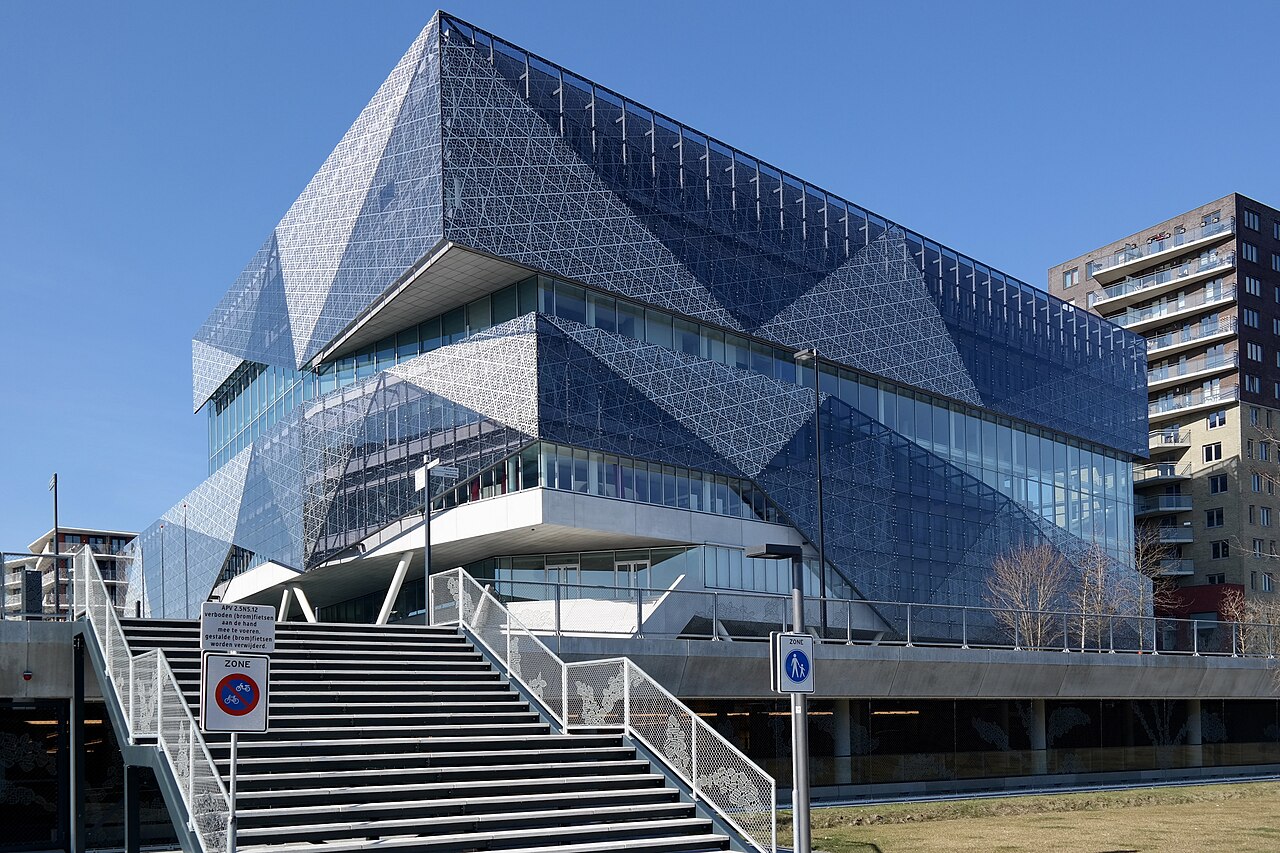
Overview and character
The town functions mainly as a residential and commercial suburb of Utrecht, with a mix of housing estates, local shops, offices and light industry. It is often described as a planned or "new" town because much of its modern layout was developed deliberately to provide housing, services and green space for a growing region.
Geography and neighborhoods
Nieuwegein lies on low-lying Dutch polders and is crossed by canals and waterways that reflect its riverine heritage. The municipality includes historic villages that predate the planned expansion; these older cores retain traditional architecture and water-management structures, while surrounding districts contain more recent housing, parks and sports facilities.
History and development
Nieuwegein emerged through municipal reorganization and postwar development policies aimed at relieving housing pressure in nearby Utrecht. Older communities in the area provided the historical foundations, while twentieth-century planning created grid-like residential quarters and a central shopping and civic zone.
Economy, transport and amenities
The local economy combines retail, services, small manufacturing and public-sector employment. Nieuwegein offers good road and public-transport connections to Utrecht and other Dutch cities, extensive cycling routes and a variety of schools, sports clubs and cultural venues that serve residents of different ages.
Notable aspects
- Mix of historic riverside villages and modern planned neighborhoods.
- Emphasis on green space, waterways and cycling infrastructure.
- Serves as a commuter and service center for the Utrecht region.
Author
AlegsaOnline.com Nieuwegein Leandro Alegsa
URL: https://en.alegsaonline.com/art/143383