
New Administrative Capital (Egypt)
Planned large-scale city development east of Cairo launched in 2015 to host government institutions, business districts, housing and infrastructure with aims to relieve congestion and modernize administration.
Overview
The New Administrative Capital (NAC) is a major urban development project in Egypt announced in 2015. Conceived as a purpose-built seat for government ministries, diplomatic missions and new commercial centres, the project is intended to create a modern administrative and economic hub outside the dense core of Cairo. The proposed city is commonly referenced by its Arabic name العاصمة الإدارية الجديدة, and has at times been called Wedian, a local plural of the word Wadi.
Image gallery
10 Images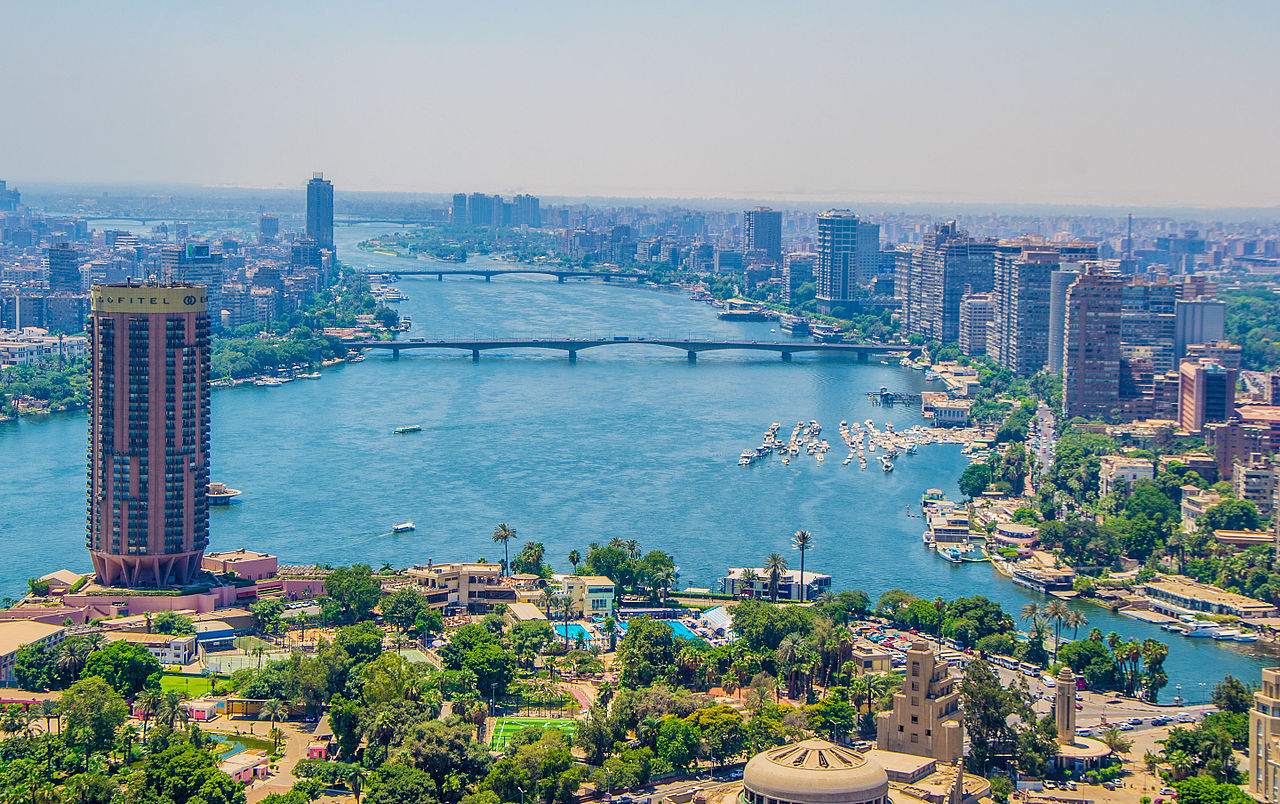


Design and main components
The master plan emphasizes a mix of institutional, residential and commercial zones linked by contemporary infrastructure. Key planned elements include:
- Government and presidential districts designed to centralize ministries and administrative offices.
- A central business district featuring high-rise office towers, financial services and retail space.
- A diplomatic quarter for foreign embassies and consulates.
- Residential neighbourhoods with mixed housing types, schools and medical facilities.
- Transport links such as highways, planned mass transit connections and a dedicated airport terminal in long-term plans.
- Parks, green corridors and cultural institutions intended to provide public amenities and reduce urban heat in the desert setting.
History and development
The project was unveiled at the Egypt Economic Development Conference in March 2015. Construction has proceeded in phases, beginning with core infrastructure—roads, utilities and initial government buildings—followed by residential and commercial development. Implementation has involved state agencies alongside private and international contractors, and financing has combined public funds with private investment and external partners. Progress has been iterative, with new phases announced over several years as the project adapts to technical and financial realities.
Purpose and importance
Planners describe the NAC as an effort to relieve overcrowding in historic Cairo, improve the efficiency of state administration, and attract domestic and foreign investment through modern urban design. By relocating administrative functions, the development aims to free central urban land for housing and cultural uses, create jobs in construction and services, and showcase technological and environmental innovations in a new urban setting.
Controversies and challenges
As with large-scale capital relocations worldwide, the NAC has prompted debate. Supporters point to long-term economic and planning benefits; critics raise concerns about the project's cost, the transparency of contracting and funding, environmental impacts on desert ecosystems and water resources, and whether new housing will be affordable for average residents. Timelines and budgets have shifted over time, and the full social and economic effects will become clearer only as the project matures.
Current status and perspective
Construction remains ongoing and phased; some administrative buildings and residential areas are reported complete or occupied while other ambitious elements are still under development. The New Administrative Capital stands as one of the most prominent urban experiments in the region—an attempt to reshape national administration and spur growth through a planned, modern city. Observers assess its ultimate success by how well it balances ambitious design with fiscal sustainability, environmental stewardship and social inclusivity.
Author
AlegsaOnline.com New Administrative Capital (Egypt) Leandro Alegsa
URL: https://en.alegsaonline.com/art/143283