
GNK Dinamo Zagreb: overview, history, achievements and role in Croatian football
GNK Dinamo Zagreb is a leading professional football club from Zagreb, Croatia, known for domestic success, a prolific youth academy and regular participation in European competitions.
GNK Dinamo Zagreb is a professional football club based in Zagreb, the capital of Croatia. Founded in the mid‑20th century, Dinamo wears blue and plays its home matches at Stadion Maksimir. The club is one of the most recognisable institutions in Croatian sport, combining strong domestic performance with frequent appearances in UEFA tournaments.
Image gallery
6 Images


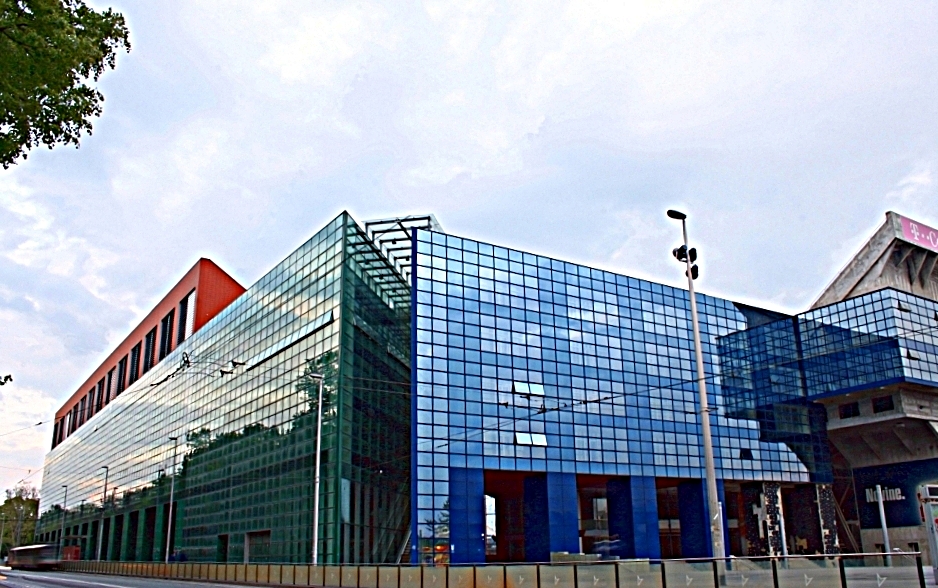

Origins and identity
Dinamo traces its roots to the reorganisation of football in the region after World War II. The club adopted the name Dinamo and later incorporated the historic prefix GNK (Građanski nogometni klub) as part of its full title. Over decades Dinamo has developed a clear identity—blue colours, a large urban fanbase and a position at the centre of Zagreb's sporting life.
Sporting character and structure
The club fields senior, reserve and youth teams and maintains training facilities and an academy that has become central to its model. Dinamo is known for scouting and developing young talent, promoting players to the first team and then transferring them to larger European clubs. This sporting structure supports both competitive aims and club finances.
Achievements and competitions
- Long‑time domestic prominence with a record collection of national league titles and cup wins since Croatia's independence.
- A notable European milestone: Dinamo won a major continental trophy in the 1960s, making it one of the more successful clubs from the region in that era.
- Regular participation in UEFA competitions, including qualifying rounds and group stages of the Champions League and Europa League.
The club’s honours reflect sustained success at home and a history of competitive outings on the continental stage.
Youth development and notable alumni
Dinamo's academy has produced internationally recognised players who have gone on to careers at top European clubs and national teams. Names associated with the club’s development pipeline include midfield and defensive talents who helped raise Croatia's profile in world football. The academy’s reputation attracts young prospects and underpins Dinamo’s player‑development strategy.
Rivalries and cultural role
Domestically Dinamo maintains fierce rivalries, most prominently with Hajduk Split; matches between them are among the most anticipated fixtures in Croatian football. Supporters, including organised groups, create intense atmospheres at big games. Beyond sport, Dinamo is an influential cultural presence in Zagreb and a frequent subject of media coverage, civic pride and debate.
Overall, GNK Dinamo Zagreb combines a history of success, a steady production of professional players and an ongoing role in both national competitions and European football, making it a central institution in Croatian sporting life.
Author
AlegsaOnline.com GNK Dinamo Zagreb: overview, history, achievements and role in Croatian football Leandro Alegsa
URL: https://en.alegsaonline.com/art/143110