
Moore County, Tennessee — small county centered on Lynchburg and Jack Daniel's
Moore County is a small, rural county in south-central Tennessee with county seat Lynchburg. It had 6,362 residents at the 2010 census and is best known as the home of Jack Daniel's Distillery.
Overview
Moore County lies in the south-central portion of Tennessee. It is one of the state's least populous counties: the population was recorded as 6,362 in the 2010 census. The county retains a largely rural character, with small towns, farms and wooded hills.
Image gallery
1 Image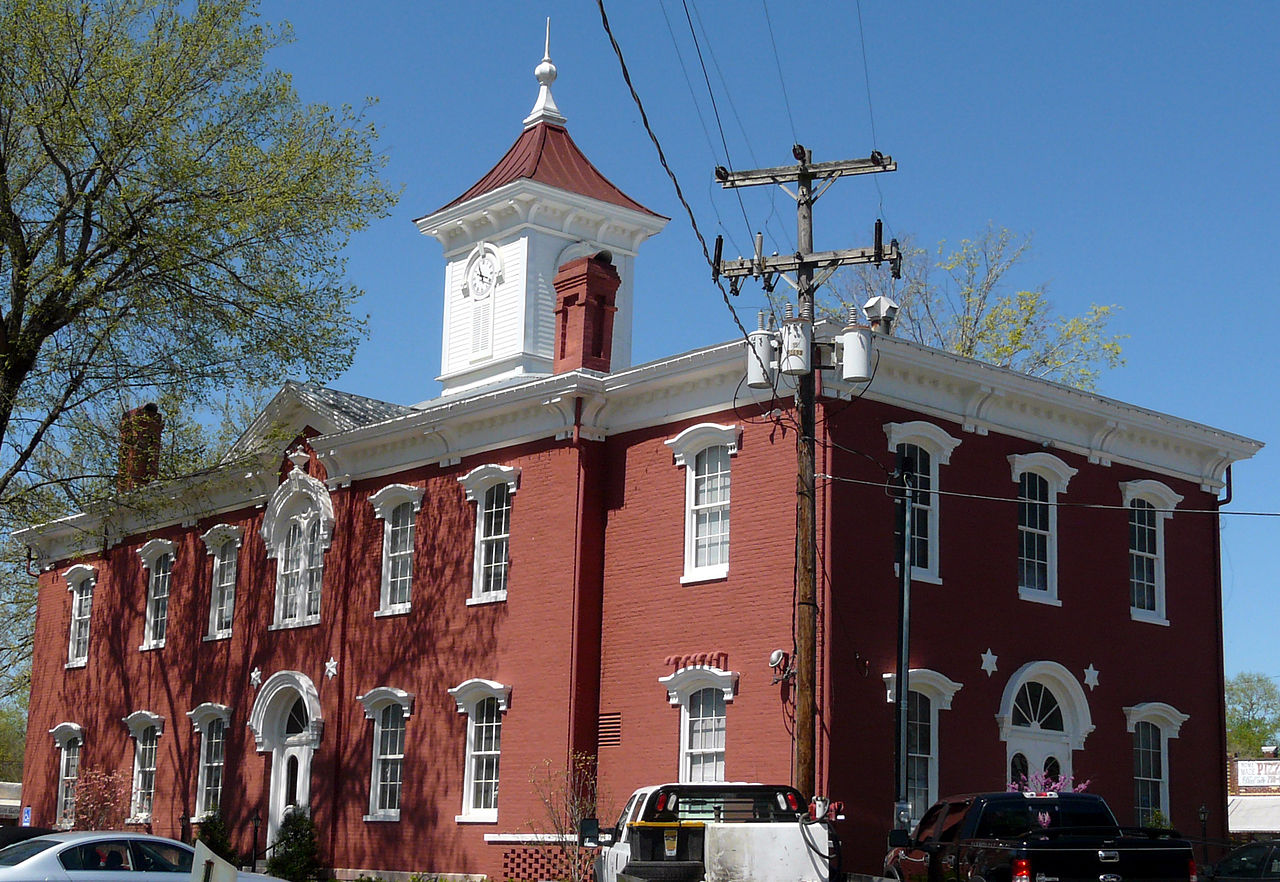
County seat and communities
The administrative center is Lynchburg, the best-known town in the county and the location of the courthouse and local services. Lynchburg is commonly referred to as the county seat in local and state materials; official references list the county seat there. Other settlements are small and dispersed rather than densely developed.
Geography and character
Moore County's landscape reflects central Tennessee's mix of gentle hills, pasture and forest. Land use is dominated by agriculture, small-scale manufacturing, and residential areas related to local towns. The rural setting contributes to a quiet way of life and limited urban infrastructure compared with larger counties.
Economy and tourism
The county's economy combines farming and local services with an important tourism and manufacturing presence. Most notable is the world-famous distillery in Lynchburg, which draws visitors for tours and retail sales and supports hospitality and retail businesses in the area. That facility and its visitors play an outsized economic role given the county's small population and workforce (see local attractions).
History and development
Formed in the post‑Civil War era, Moore County developed as a small, localized community focused on agriculture and trade. Over time the distilling industry and related tourism changed the county's profile without transforming its broadly rural character. Local institutions—schools, churches and county government—continue to shape community life.
Notable facts
- Home of a nationally recognized whiskey distillery and a steady flow of visitors.
- Among Tennessee's least-populous counties, with a small, dispersed population.
- Retains a rural economy based on farming, tourism and local services.
- Official county information and historical summaries are available through state and local resources (state, census, county records).
Author
AlegsaOnline.com Moore County, Tennessee — small county centered on Lynchburg and Jack Daniel's Leandro Alegsa
URL: https://en.alegsaonline.com/art/142923
Sources
- quickfacts.census.gov : "State & County QuickFacts"
- naco.org : "Find a County"