
Mineola, Texas: small city in Wood County with railroad and lakeside heritage
Mineola is a small city in Wood County, Texas, known for its railroad roots, historic downtown, and access to regional lakes. Population was 4,515 at the 2010 census.
Overview
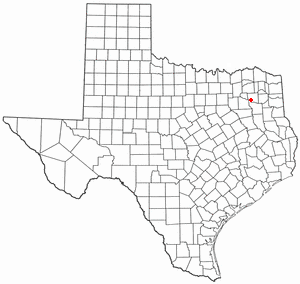
Mineola is a city located in Wood County, in the northeastern region of Texas, United States. It is a small community that has served as a local hub for surrounding rural areas. According to the 2010 census, the city had a population of 4,515. Mineola combines residential neighborhoods, a compact commercial center, and access to outdoor recreation in nearby lake and wooded areas.
Image gallery
10 Images





Characteristics and layout
The city retains a recognizable small-town pattern: a historic downtown with independent shops and services, civic institutions such as schools and churches, and residential streets with a mix of housing types. Rail lines and transport routes that were important to the town's growth remain part of its identity. Public parks and community facilities provide venues for local events and recreation.
History and development
Mineola developed in the late 19th century as railroads expanded through East Texas, which encouraged settlement, commerce, and the movement of agricultural products. Over time the town evolved from a railroad and trading point into a community with diversified local services. Preservation of historic buildings and the downtown streetscape reflects that layered past.
Economy, culture, and recreation
The local economy includes small businesses, service industries, light manufacturing, and enterprises that serve regional visitors. Mineola is frequented by people interested in antique shopping, community festivals, and lakeside activities. Nearby reservoirs and fishing waters contribute to recreational tourism, drawing anglers and boaters during peak seasons.
Notable facts and local highlights
- Mineola's downtown and community events emphasize local history and small-business retail.
- The town's railroad heritage is visible in its layout and some preserved structures.
- Its location places it within easy driving distance of larger cities in East Texas while retaining a rural, small-city character.
For visitors or those researching small Texas communities, Mineola illustrates how rail-era towns adapted through the 20th century to become service centers for surrounding agricultural and recreational landscapes.
Author
AlegsaOnline.com Mineola, Texas: small city in Wood County with railroad and lakeside heritage Leandro Alegsa
URL: https://en.alegsaonline.com/art/142728