
Mayor of Manila
The Mayor of Manila is the city's chief executive, responsible for municipal administration, public services, and local policy. This article outlines the office, powers, history, election rules, and notable incumbents.
Overview
The Mayor of Manila (Filipino: Punong Lungsod ng Maynila) is the chief executive of the City of Manila and the highest-ranking official of its city government. As the principal local administrator, the mayor is charged with implementing city ordinances, managing day-to-day operations, and representing the city in ceremonial and intergovernmental matters. The position sits at the center of municipal governance in the Philippines' capital region and carries both practical administrative duties and symbolic importance.
Image gallery
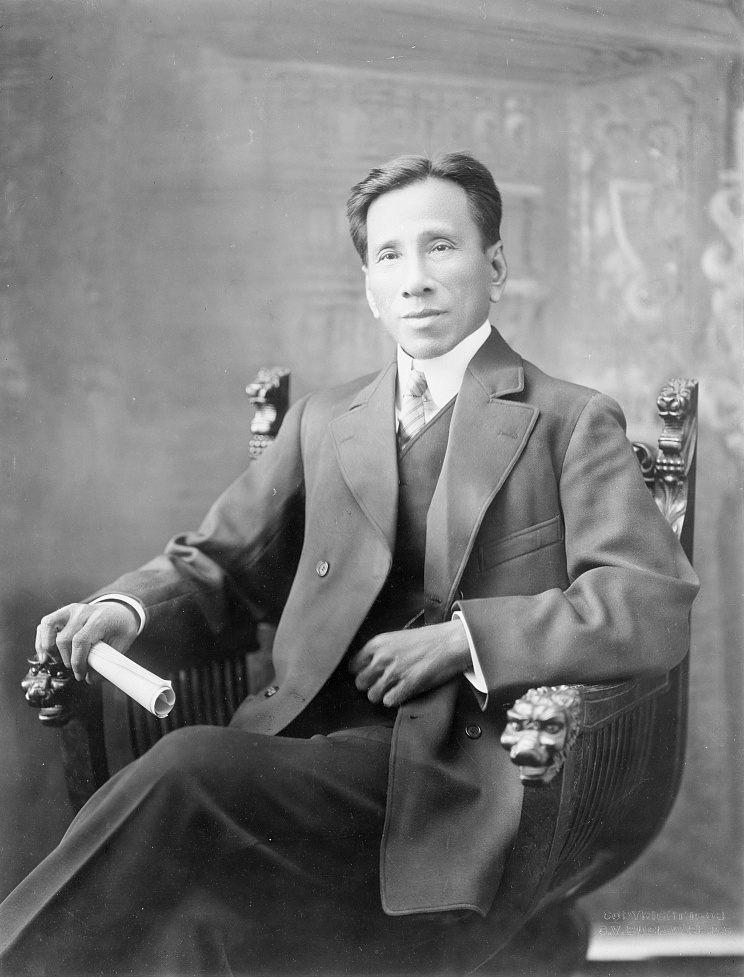
10 Images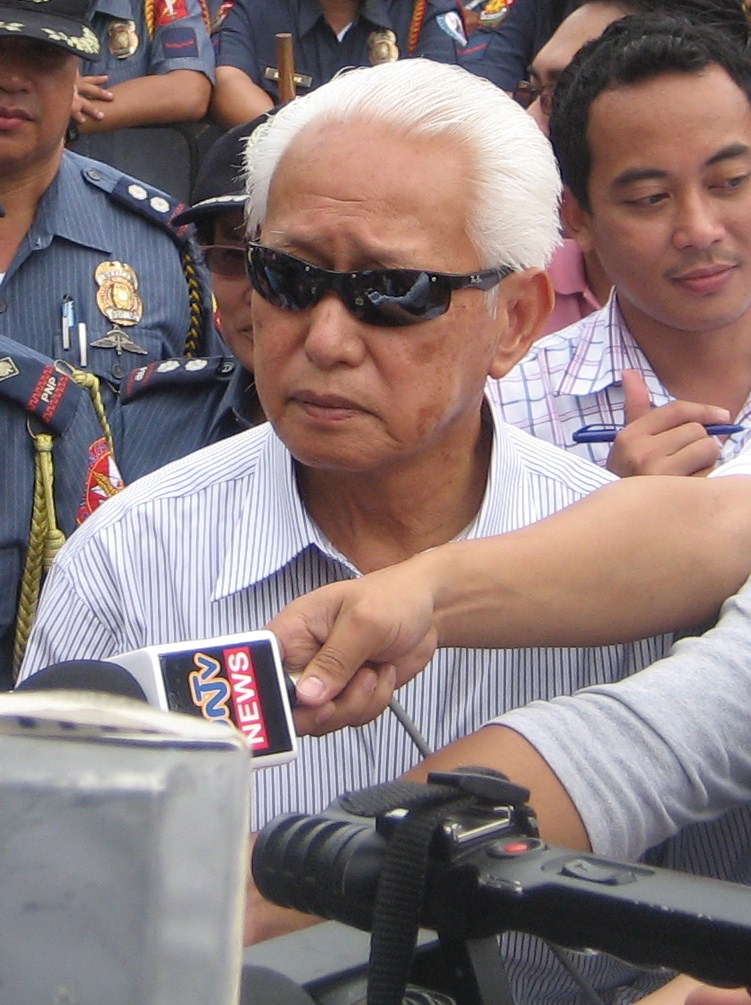


Role and powers
The mayor heads the local executive branch and supervises municipal departments and services. Responsibilities typically include preparing and executing the city budget, enforcing laws and ordinances, coordinating public safety and disaster response, and appointing department heads within limits set by law. While policing is nationally organized, the mayor plays a leading role in local peace and order planning and community programs.
- Execution and enforcement of city ordinances and resolutions
- Budget preparation and fiscal stewardship
- Appointment of city officials and department leaders
- Coordination of public services, health, sanitation, and emergency response
History and development
The office evolved from colonial-era municipal leadership and was formalized under modern local government laws during the 20th century. Over time the mayoralty of Manila gained prominence because of the city's role as the nation's capital and as a dense urban center with complex administrative needs. The office has often served as a platform for broader political influence.
Election, term, and qualifications
The mayor is elected directly by city voters. Under the Local Government Code, local executives serve three-year terms and may seek re-election, subject to limits on consecutive terms. Specific eligibility requirements and procedural details follow national election law and the implementing rules that apply to all Philippine local government officials.
Notable incumbents and significance
Manila's mayoralty has been held by figures who influenced urban policy and national debates; in modern times several occupants have become well-known public personalities. The office remains central to city planning, heritage conservation, economic activity and public welfare initiatives. For more context about the office as an institution, see sources on the head of government role and the political history of Manila.
Author
AlegsaOnline.com Mayor of Manila Leandro Alegsa
URL: https://en.alegsaonline.com/art/142428