
Mathews County, Virginia
Mathews County is a small, coastal county on Virginia's Middle Peninsula, known for its maritime heritage, rural character, and the county seat of Mathews. Population was 8,978 at the 2010 census.
Overview
Mathews County lies on the eastern edge of the Virginia Commonwealth, occupying a peninsula between the Chesapeake Bay and several tidal inlets. It is one of Virginia's smaller counties by population and retains a largely rural, waterfront character. According to the 2010 census, 8,978 people lived in the county. The county seat and principal village is Mathews, which functions as the local civic and commercial center.
Image gallery
4 Images


Geography and communities
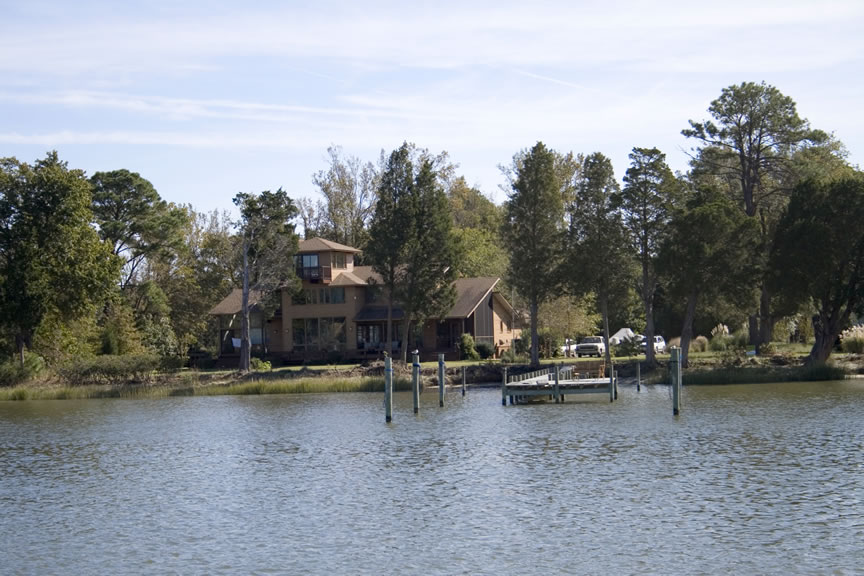
The county's shoreline, marshes and small islands are defining features, making water access and boat traffic important to daily life. The landscape is gently rolling with many creeks and estuaries that support fishing, boating and wildlife. Settlements are dispersed: small villages, individual farms and waterfront neighborhoods predominate over dense urban development.
History and development
Mathews County traces its roots to colonial Virginia and developed as an agricultural and maritime area. Established in the late 18th century, the county has long been shaped by shipbuilding, oystering and other bay-related trades. Historic structures and districts reflect its colonial and 19th-century past, and preservation of maritime traditions remains important to local identity.
Economy, culture and recreation
The local economy combines commercial fishing and aquaculture with small-scale agriculture, tourism and service activities that cater to residents and visitors. Cultural life centers on waterfront festivals, historic sites, and recreational boating. Natural resources—tidal creeks, beaches and scenic vistas—support birdwatching, crabbing and other outdoor pursuits.
Government and notable facts
- Government functions are administered from the county seat of Mathews, where the courthouse and administrative offices are located.
- As a coastal locality, the county faces management issues common to shoreline communities, including shoreline conservation and storm resilience.
- Many visitors come for history, seafood and quiet rural landscapes rather than urban attractions.
For more detailed information on services, maps and local events, official and regional resources provide guidance on visiting, business opportunities and historic sites in the county. Additional background and statistical resources are available through state and federal reference portals and local historical organizations (state and regional resources).
Author
AlegsaOnline.com Mathews County, Virginia Leandro Alegsa
URL: https://en.alegsaonline.com/art/142388