
Britain's Next Top Model — Cycle 6
Overview of Britain's Next Top Model, Cycle 6: format, contestants, winner Tiffany Pisani, typical prizes, reception and the cycle's place in the Top Model franchise.
Britain's Next Top Model, Cycle 6 is the sixth instalment of the British adaptation of the international Top Model franchise. The cycle followed the established elimination-style reality format in which aspiring models faced weekly challenges, themed photoshoots and runway tests. Fourteen finalists entered the main competition and, after a series of eliminations, 18-year-old Tiffany Pisani was declared the winner.
Image gallery
1 Image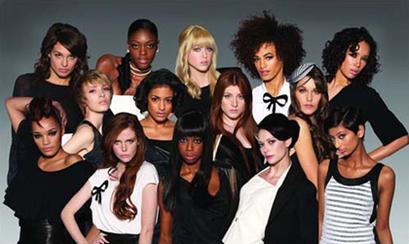
Format and competition elements
The programme combines creative assignments and industry-style tasks designed to evaluate versatility, camera presence and professionalism. Typical episodes include a brief challenge (for example posing, acting for commercials or catwalk technique), a production-led photoshoot or commercial test and a judging panel where contestants' work is reviewed. Makeovers, test shoots and occasional guest professionals from the fashion industry are commonly used to simulate career pressures and growth opportunities.
Contestants and selection
Finalists are selected through nationwide auditions and callbacks; the chosen group usually represents diverse ages, looks and regional backgrounds. During the cycle, contestants are observed for development in posing, attitude under pressure and potential commercial or editorial appeal. The competition emphasises both improvement and marketable characteristics valued by agencies and clients.
Winner and aftermath
Tiffany Pisani, aged 18 at the time of her victory, gained heightened public exposure and opportunities connected with the franchise. As with many winners, the title can lead to modelling contracts, editorial features and commercial bookings, and it often functions as a springboard into broader media or fashion work. Individual career paths vary according to market demand and personal choices.
Reception and context
Cycle 6 is part of a long-running series that has shaped the reality-model competition format in the UK. The programme has been praised for introducing new faces to a competitive industry while also drawing typical reality-TV criticisms about editing, the stress of public competition and portrayals of the fashion world. Seasons are often remembered for standout contestants and specific challenges rather than uniform outcomes.
Typical prizes and legacy
- Common prize elements: a modelling contract, agency representation, editorial exposure and commercial work (details vary by cycle).
- Career impact: winners and prominent contestants sometimes continue in modelling, appear in media roles or leverage the exposure for related opportunities.
- Franchise role: the series remains one of several national Top Model editions that feed into global awareness of new talent.
Related articles
Author
AlegsaOnline.com Britain's Next Top Model — Cycle 6 Leandro Alegsa
URL: https://en.alegsaonline.com/art/14230