
Manitowoc, Wisconsin: Lakefront city and shipbuilding center
Manitowoc is a city on Lake Michigan in northeastern Wisconsin, county seat of Manitowoc County. Known for maritime history, shipbuilding, manufacturing and cultural attractions, it had about 33,700 residents in 2010.
Manitowoc is a small city on the western shore of Lake Michigan, located where the Manitowoc River reaches the lake. It serves as the county seat of Manitowoc County and is situated in northeastern Wisconsin. The community had roughly 33,700 residents at the time of the 2010 U.S. census. Its lakeside position has shaped both its economy and civic identity, combining working ports, recreational boating and waterfront parks.
Image gallery
10 Images


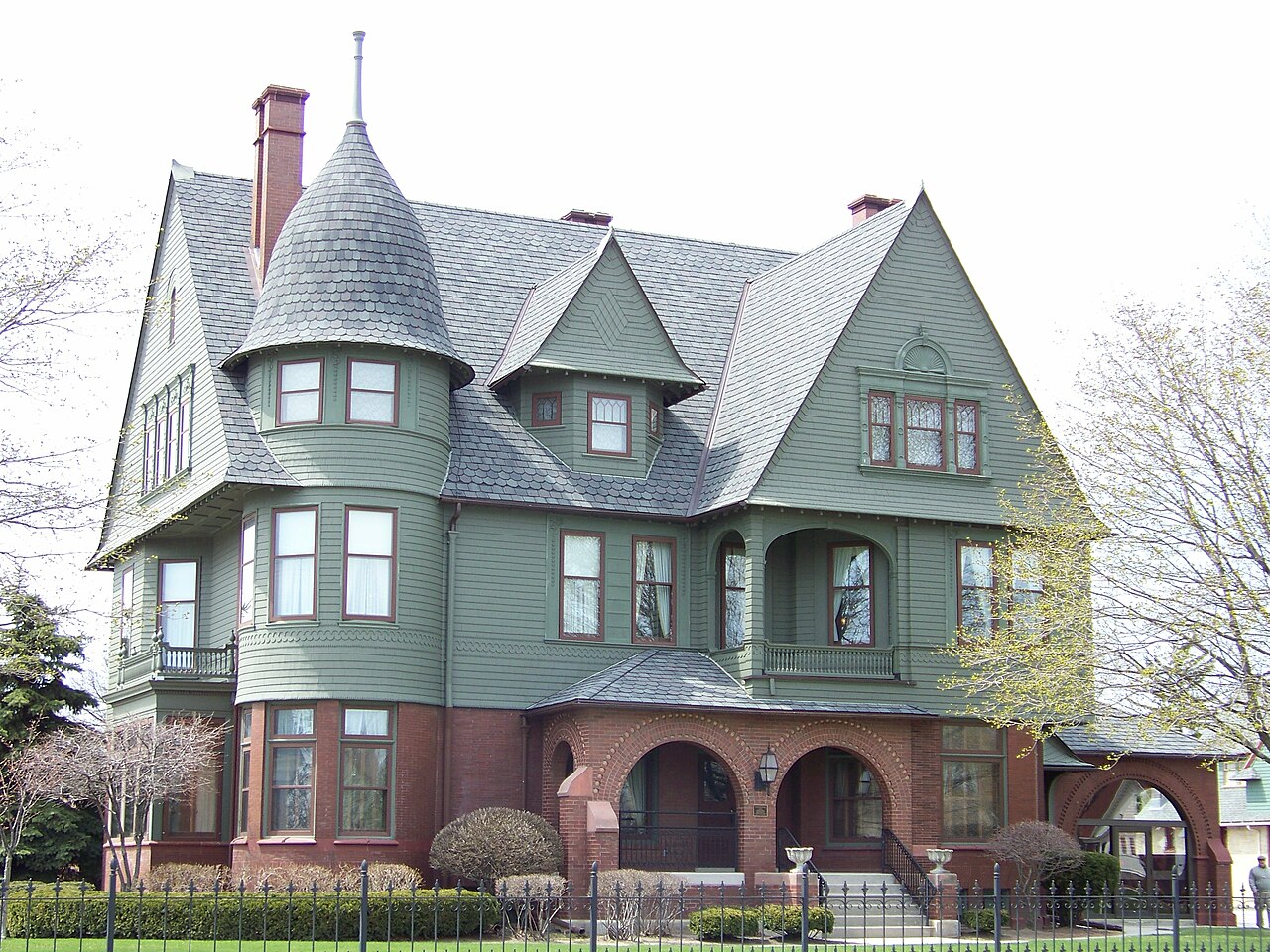


Geography and built environment
Set along broad Lake Michigan beaches and riverfront bluffs, Manitowoc’s downtown faces the water and an industrial port area. Neighborhoods range from historic commercial blocks and residential districts with 19th- and early-20th-century buildings to modern industrial sites. Public green spaces and riverside trails provide access to the shore, and the port supports commercial shipping and seasonal pleasure craft.
History and development
The area was occupied by indigenous peoples long before European settlement; in the 19th century it developed as a regional center for lumber, shipbuilding and trade. Throughout the 20th century Manitowoc became notable for heavy manufacturing and maritime construction. During World War II the city’s shipyards built naval vessels and submarines, a legacy preserved in local museums.
Economy, culture and attractions
Manitowoc’s economy mixes manufacturing, marine services and tourism. The city is historically linked to companies producing cranes, ship components and other industrial goods. Visitors come for maritime attractions including a maritime museum that interprets shipbuilding and Lake Michigan navigation and displays a preserved World War II submarine. The community also supports galleries, parks and regional festivals.
- Notable features: lakeside port, historic downtown, industrial heritage.
- Maritime attractions: museum exhibits and a preserved submarine on display.
- Transportation: commercial port facilities and seasonal passenger ferry service across Lake Michigan.
Manitowoc’s lakeshore location places it within the broader Great Lakes economy and recreational network. Its identity combines maritime history, manufacturing roots and a small-city civic life, making it a regional hub on Lake Michigan. For administrative and regional information see the county seat listing for Manitowoc County.
Author
AlegsaOnline.com Manitowoc, Wisconsin: Lakefront city and shipbuilding center Leandro Alegsa
URL: https://en.alegsaonline.com/art/142129