
Subcamps of the Ravensbrück concentration camp complex
Overview of the many satellite camps linked to Ravensbrück, their organization, functions, prisoner conditions, and how they are documented and commemorated.
The Ravensbrück complex was a principal Nazi concentration camp system principally for women, and it spawned numerous smaller satellite camps and labor detachments across Germany and occupied Europe. These subcamps varied in size and duration, from temporary work details to semi-permanent satellite camps established near factories, construction sites, quarries and military installations. Together they formed a dispersed network of forced-labor sites administered from the main camp.
Image gallery
1 Image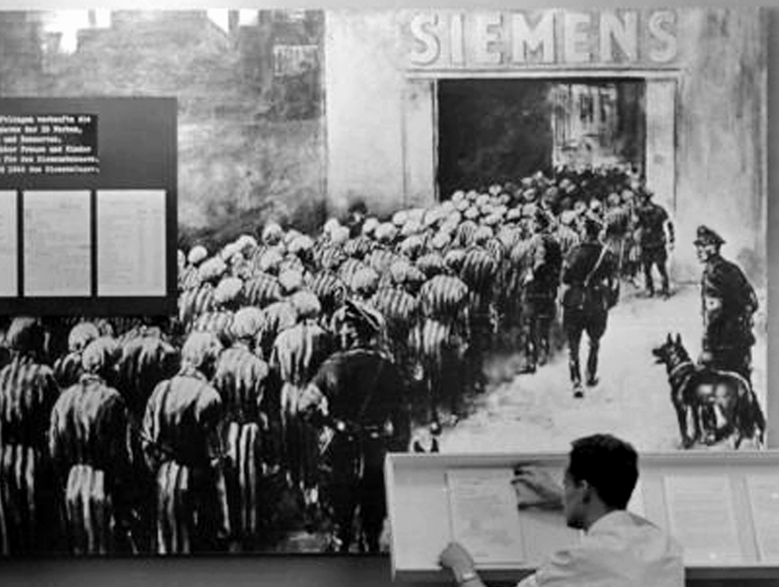
Organization and types
Subcamps attached to Ravensbrück were typically organized as labor detachments (Arbeitskommandos) or as subordinate satellite camps with their own fenced compounds and SS guards. Common types included:
- Industrial subcamps serving armaments, textile, rubber or munitions factories.
- Construction and infrastructure detachments used for roadworks, fortifications and building projects.
- Short-term satellite camps created to exploit local resources such as quarries or timber.
- Special-purpose sites, including juvenile or infirm sections connected to the main camp system.
Geographic spread and functions
Ravensbrück’s subcamps were distributed across regions of Germany and occupied territories, placed to supply forced labor to private firms and military projects. Prisoners were often sent daily or quartered on-site and performed hard industrial, agricultural or manual labor under harsh supervision. German companies and SS construction projects both relied heavily on this coerced workforce.
Conditions, prisoners and fate
Conditions in subcamps mirrored those of the main camp: overcrowding, inadequate food, brutal discipline and exposure to disease and violence. The prisoner population was diverse, including political prisoners, Jews, Roma, resistance detainees and others deported from across Europe. Many subcamps were evacuated or dissolved as Allied and Soviet forces advanced; surviving prisoners were sometimes forced on death marches, while others were liberated in spring 1945.
Documentation and remembrance
Scholars reconstruct lists of subcamps from SS records, transport lists, company archives and survivor testimony. Official memorials, historical research projects and local museums work to identify individual subcamp sites and preserve victims’ memory. For a comprehensive list and further resources, consult archival compilations and dedicated studies and databases here. Documentation remains important for historical record, commemoration and legal accountability.
Author
AlegsaOnline.com Subcamps of the Ravensbrück concentration camp complex Leandro Alegsa
URL: https://en.alegsaonline.com/art/141681