
List of presidents of the Republic of the Congo
Names and concise context for the six individuals who have served as president of the Republic of the Congo (Congo-Brazzaville) since the office was created at independence in 1960.
The presidency of the Republic of the Congo was established at independence in 1960. Since that time six different people have held the office. The national presidency is the highest political position in the country commonly called Congo-Brazzaville to distinguish it from the neighbouring Democratic Republic of the Congo. The role and influence of the president have varied with changes in the constitution, party systems, and periods of single‑party or multiparty rule.
Image gallery
9 Images
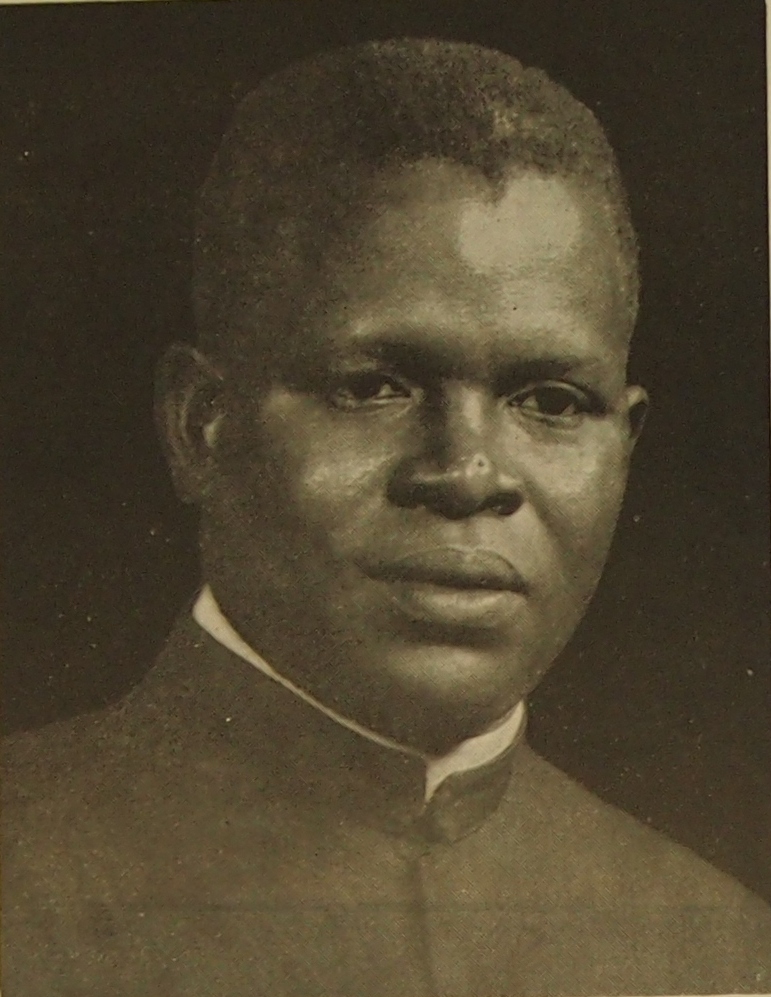


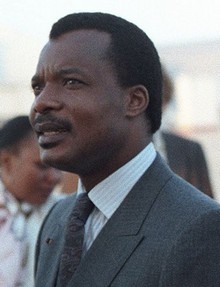


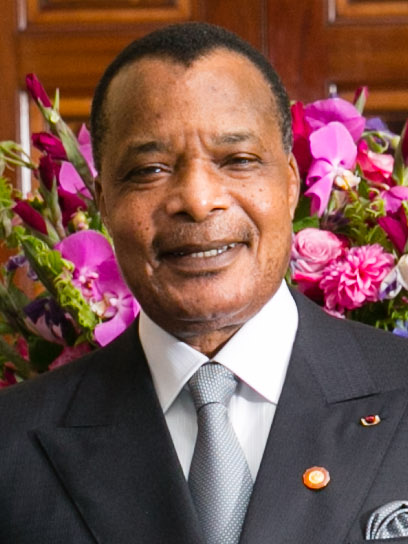
Role and constitutional functions
The president serves as head of state and, in many periods, as head of government or guarantor of national unity. Powers typically include representing the country abroad, appointing prime ministers and members of government, directing defence and security policy, and promulgating laws. Constitutional amendments and political practice have altered the balance between president and parliament at different times.
Chronological list and brief notes
- Fulbert Youlou (first president): a leader at independence whose government fell to popular protest in the early 1960s.
- Alphonse Massamba‑Débat: led after Youlou, presiding over a period of political reorganisation and early post‑colonial reform.
- Marien Ngouabi: a military officer who established a Marxist‑oriented regime; he was assassinated in the late 1970s.
- Joachim Yhombi‑Opango: military successor during a turbulent transition within the single‑party era.
- Denis Sassou Nguesso: first came to power at the end of the 1970s, later returned to the presidency and has been a dominant political figure for decades.
- Pascal Lissouba: elected during the move to multiparty politics in the early 1990s; his tenure ended amid armed conflict in the late 1990s.
After the single‑party and Marxist period of the 1970s and 1980s, the country moved toward multiparty elections in the early 1990s. Political instability and armed clashes followed, culminating in a change of leadership in the late 1990s. Since then, the presidency has been central to national politics and stability remains connected to the officeholder's relationships with political, military, and international actors.
Notable facts and distinctions
- The Republic of the Congo has had relatively few individual presidents compared with its age as an independent state; several served non‑consecutive or extended terms.
- Periods of military influence, single‑party rule, and multiparty elections have all shaped the powers and public expectations of the presidency.
- For more background on the country's political institutions and history, see Republic of the Congo.
This list summarizes the principal occupants of the presidency and the broad phases of Congolese post‑independence politics. For detailed biographies, electoral records, and constitutional changes, consult dedicated sources and archival material on each administration.
Author
AlegsaOnline.com List of presidents of the Republic of the Congo Leandro Alegsa
URL: https://en.alegsaonline.com/art/141665