
List of Grand Masters of the Knights Hospitaller
Overview and context for the chronological lists of the Grand Masters who led the Knights Hospitaller and its successor, the Sovereign Military Order of Malta, including historical periods and notable issues.
The list of Grand Masters of the Knights Hospitaller records the succession of leaders who headed the medieval and modern Order of St. John, commonly called the Knights Hospitaller. The office combined spiritual, military and governmental duties: the Grand Master served as the order's chief officer, military commander when at war, governor of its territorial possessions, and representative in external relations.
Image gallery
10 Images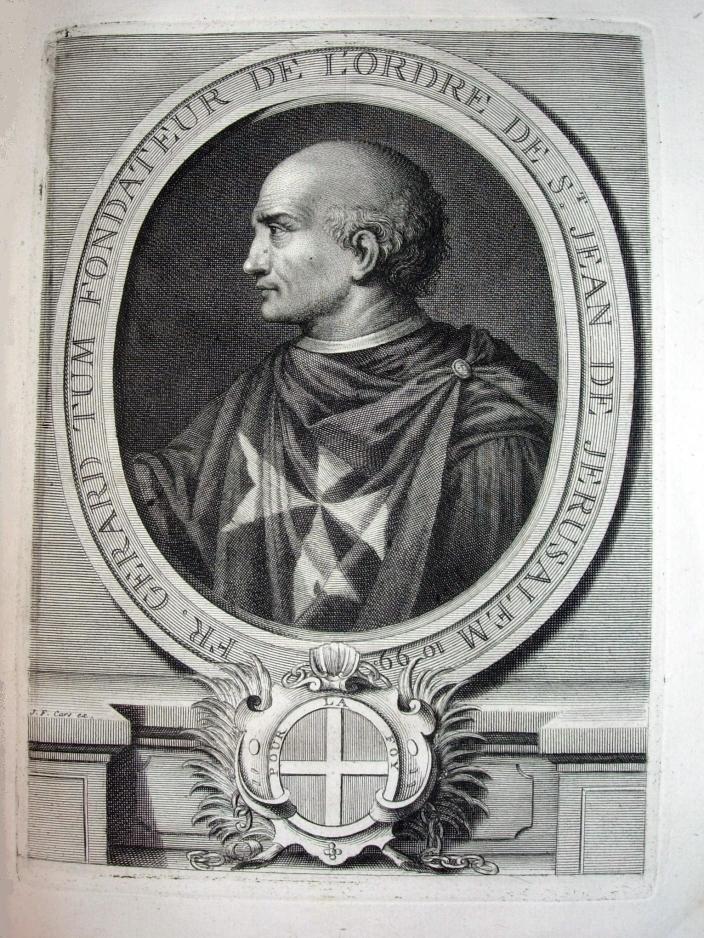


Historical outline
The institution began in the aftermath of the First Crusade as a hospital brotherhood in Jerusalem and developed into a military and hospitaller order. Over the centuries the order adapted to changing circumstances and moved its seat several times — most notably in the medieval period from Jerusalem to Rhodes, then to Malta, and finally to a dispersed, sovereign order based in Rome after the loss of Malta. Each period produced its own list of Grand Masters and shaped the role they played.
Organization of the lists
Chronological lists are commonly divided by major epochs: Jerusalem (founding and early medieval era), Rhodes (the island principality), Malta (the territorial rule of the order), and the modern organization after 1798. Compilers of such lists must decide how to treat short-term lieutenants, rival claimants, and leaders who acted as administrators rather than fully confirmed Grand Masters.
Selection, powers and notable holders
Grand Masters were elected by the order's chapter and held extensive authority over internal administration, defense, diplomacy and charitable works. Well-known figures such as the order's founder (commonly known as Blessed Gerard) and later leaders who defended Rhodes or Malta are repeatedly highlighted in summaries. The Great Siege of Malta and the period of resistance on Rhodes are frequent focal points in biographical entries.
Contested successions and modern status
Over its long history the office has occasionally been subject to dispute: competing elections, interim lieutenants, and changing titles have created variations in numbering. After 1798, when French forces captured Malta, the order survived as a sovereign subject of international law and continues to elect Grand Masters; modern listings therefore include both the medieval territorial rulers and the heads of the contemporary Sovereign Military Order of Malta.
Using the lists and further reading
- Chronological lists typically include dates of election and tenure, principal actions, and the political context for each master.
- When consulting compiled lists, note editorial choices about claimants and administrative leaders.
- Authoritative summaries and extended lists are available in specialist works and online references such as Knights Hospitaller directories and institutional histories.
Author
AlegsaOnline.com List of Grand Masters of the Knights Hospitaller Leandro Alegsa
URL: https://en.alegsaonline.com/art/141619