
List of cities in Uruguay
Overview of Uruguayan cities: legal categories, major urban centres and departmental capitals, notable coastal towns, and how municipal status is determined.
This article outlines cities in Uruguay, explaining how urban places are classified and giving examples of major centres. In Uruguay a settlement's label—ciudad (city), villa (town) or pueblo (village)—is determined by legislation and historical practice rather than by a single population threshold. As a result, some populous localities are not formally designated "cities" while some legally titled cities may be modest in size.
Image gallery
9 Images
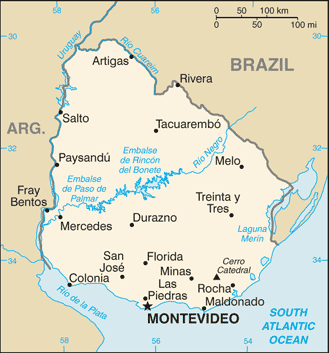


Administrative categories and criteria
Uruguayan settlements are organized within 19 departments, each with a departmental capital. The national legislature or other legal acts typically grant the status of ciudad, villa or pueblo. Municipal organization, municipal services and administrative functions generally follow these designations, which affect local governance and ceremonial recognition.
Major cities and departmental capitals
Montevideo is the national capital and largest urban area, serving as the administrative, economic and cultural heart of the country. Other important urban centres include Salto, Paysandú, Rivera and Maldonado. Below is a representative list of departmental capitals and notable cities; it is not exhaustive but highlights well-known centres:
- Montevideo
- Salto
- Paysandú
- Rivera
- Maldonado
- Tacuarembó
- Melo
- Mercedes
- Colonia del Sacramento
- Fray Bentos
- Rocha
- Durazno
- Florida
- San José de Mayo
- Minas
- Treinta y Tres
- Trinidad
- Canelones
- Artigas
For an organized register of urban localities and their legal status consult the official list maintained by national authorities or municipal sources.
Urban agglomerations, resorts and notable facts
Some coastal resorts and suburban agglomerations play an outsized role in Uruguay's economy and identity. Punta del Este is internationally known as a resort in the Maldonado department, while Ciudad de la Costa is a large suburban area adjacent to the capital. Montevideo's metropolitan area contains a substantial share of the country’s population and economic activity.
When using or compiling lists of cities in Uruguay it is important to note the distinction between legal status and functional size. Official lists reflect statutory categories; practical references often rank places by population, economic output or cultural significance. This article provides context for those distinctions and points readers to official registers for precise legal status.
Author
AlegsaOnline.com List of cities in Uruguay Leandro Alegsa
URL: https://en.alegsaonline.com/art/141607