
Cities of Pennsylvania: overview, history, and notable municipalities
An organized overview of Pennsylvania's incorporated cities: classification, historical development, major municipalities and their roles, legal distinctions, and contemporary significance.
Overview
Pennsylvania is home to a diverse set of incorporated cities that range from large metropolitan centers to small urban municipalities. The state's municipal system distinguishes cities from boroughs and townships, and includes a modest number of incorporated cities distributed across its regions. This article summarizes how cities are classified, examples of prominent municipalities, and why they matter today.
Image gallery
6 Images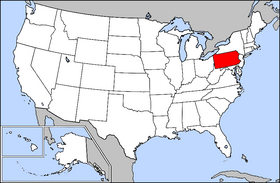


Classification and government
Pennsylvania categorizes cities by class and by the form of government they adopt. At the broadest level, classes recognize differences in size and legal status: Philadelphia is unique as the commonwealth's largest city; Pittsburgh is the other historically large industrial city. A small group of cities have special classifications, while most are in the general (third) class. Municipal governments may operate under state statutes or under locally adopted home rule charters, and commonly use mayor–council or council–manager arrangements.
Historical development
Many Pennsylvania cities trace their origins to colonial settlements, river and canal trade, or to natural-resource and manufacturing booms of the 19th and early 20th centuries. Coal mining, steelmaking, textiles and railroads drove rapid urban growth in regions such as the Lehigh Valley, the Coal Region, and western Pennsylvania. In the later 20th century, deindustrialization shifted many cities toward services, education, health care and technology, while also presenting challenges of economic transition and redevelopment.
Major cities and regional roles
Some cities play outsized roles as economic, cultural or administrative centers. Notable examples include:
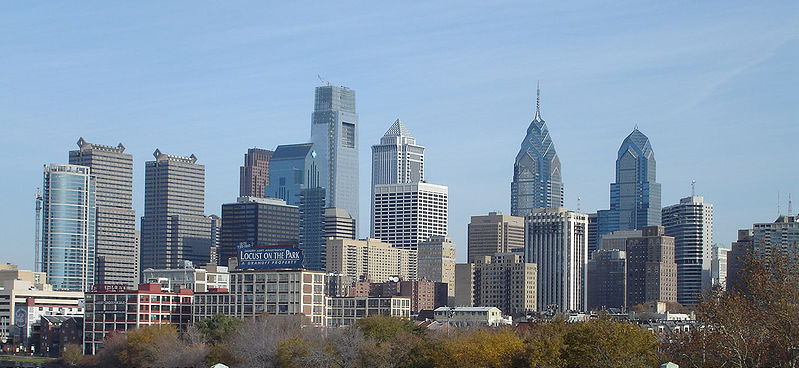
- Philadelphia — the state's largest city and a national cultural and economic hub.
- Pittsburgh — historically a steel and manufacturing center, now diversified into technology and education.
- Harrisburg — the state capital and a regional government and service center.
- Erie — a Great Lakes port and regional commercial center on Pennsylvania's northern shore.
- Allentown, Reading, Lancaster, Scranton, Bethlehem, York — important regional centers with histories tied to manufacturing, transportation and agriculture.
Legal distinctions and notable facts
Cities are only one form of municipal incorporation in Pennsylvania. The commonwealth also has many boroughs and townships; Bloomsburg is notable as the only incorporated "town". County seats often coincide with cities but not always. Because of the state's municipal diversity, services, taxation and planning responsibilities vary depending on a city's charter and classification.
Contemporary significance
Pennsylvania's cities are centers for higher education, healthcare, cultural institutions and commerce, and they remain focal points for regional transportation and tourism. Urban revitalization, historic preservation and economic diversification are common priorities for city leaders. For curated lists, maps and official city information see the general references and municipal guides such as the state municipal index, regional planning resources like planning guides, cultural and tourism portals such as visitor resources, and directories of local governments at municipal directories.
Author
AlegsaOnline.com Cities of Pennsylvania: overview, history, and notable municipalities Leandro Alegsa
URL: https://en.alegsaonline.com/art/141604