
List of cities in Panama
Overview of Panama's cities: major urban centers, administrative structure, historical development, economic roles, and notable distinctions among municipalities and indigenous comarcas.
This article provides an organized overview of cities in Panama and highlights the principal urban centers, administrative context, and their roles in the country's history and economy. For a tabulated inventory or expanded directory see List of cities in Panama.
Image gallery
7 Images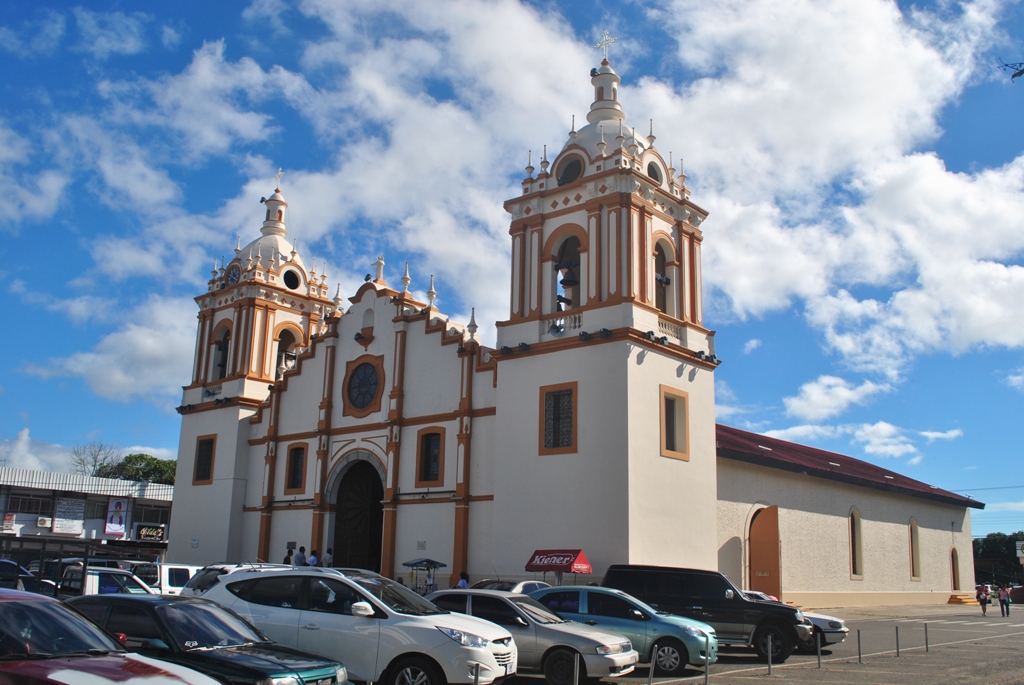


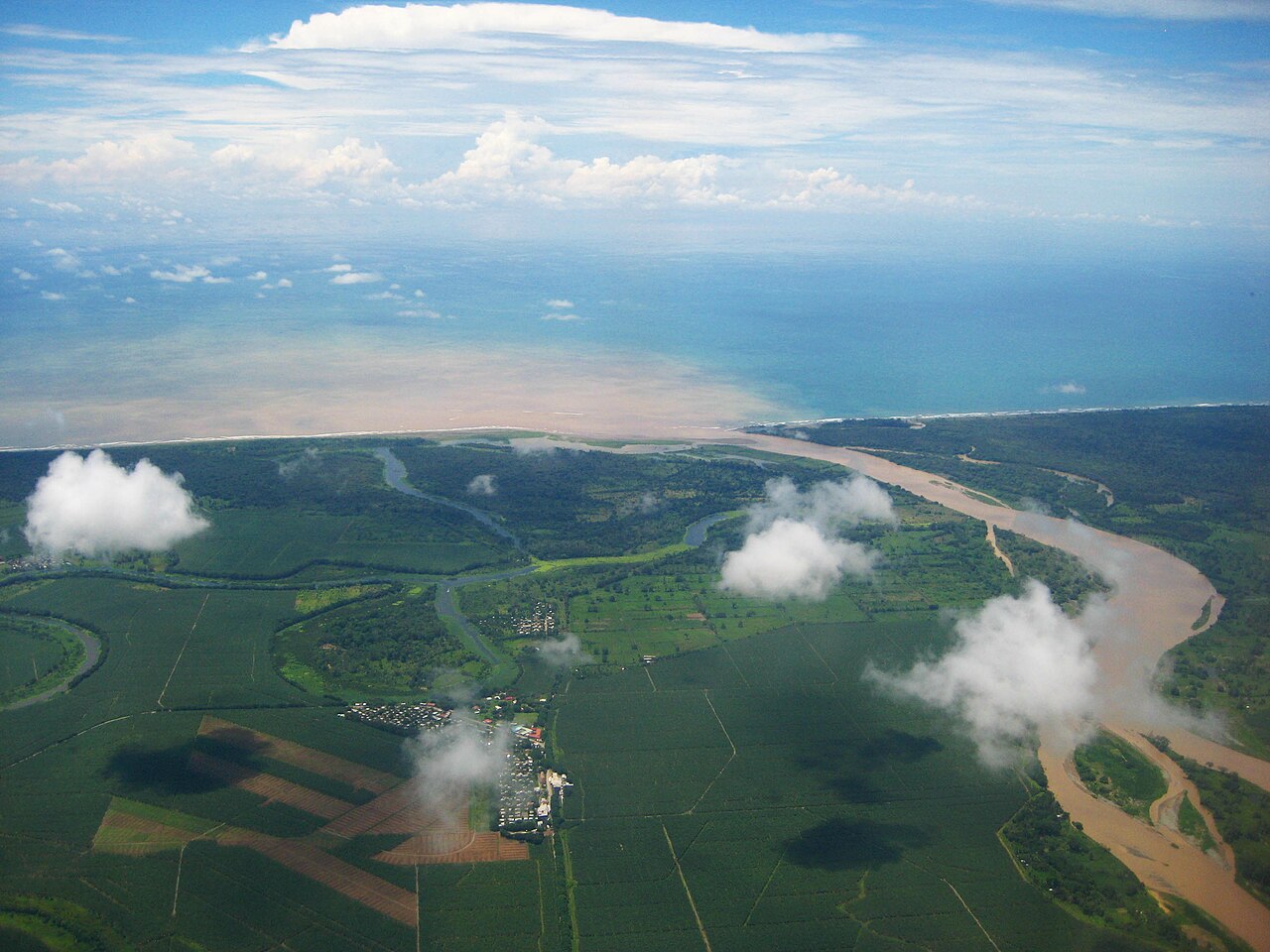


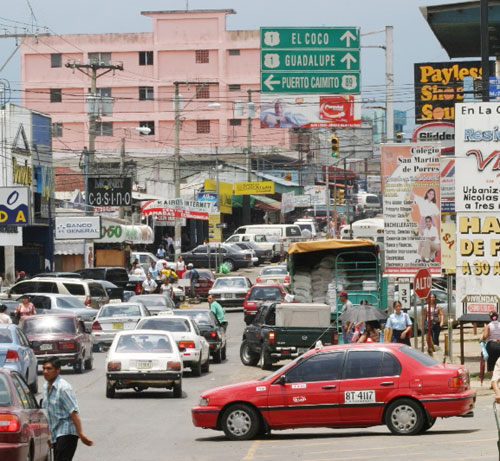
Major cities
- Panama City — the national capital and primary commercial, political and cultural center, including the historic Casco Viejo and modern banking districts.
- San Miguelito — an adjacent urban municipality that functions largely as a densely populated suburb of Panama City.
- Colón — Caribbean port city and gateway, historically important for shipping and trade, near the Colón Free Trade Zone.
- David — the principal city of Chiriquí province and a commercial hub for western Panama.
- La Chorrera — a rapidly growing city in Panamá Oeste with strong commuter links to the capital.
- Chitré and Penonomé — important regional centers in Herrera and Coclé provinces respectively, with local commerce and services.
- Bocas Town and Changuinola — coastal towns that serve tourism and agricultural areas in Bocas del Toro and Bocas’ mainland.
- Aguadulce and Santiago — key urban centers in Coclé and Veraguas with regional administrative functions.
Administrative organization
Panama's territory is divided into provinces and indigenous comarcas, which are further subdivided into districts (distritos) and corregimientos. The legal status of a "city" can coincide with a district seat, a municipal district, or a populated corregimiento; official lists and census data use those administrative categories rather than an informal notion of city size.
History and development
Urban development in Panama has long been shaped by its geographic role as an isthmus between oceans. Spanish colonial foundations, including the early settlement of Panama City (founded in the 16th century), concentrated trade and administration. The construction and opening of the Panama Canal in 1914 accelerated the growth of port cities on both coasts and reinforced Panama City's importance as an international transit and logistics center.
Economic and cultural roles
Cities in Panama function as nodes for finance, shipping, agriculture, and tourism. Panama City hosts international banks and services; Colón handles maritime commerce; David and other provincial cities support agricultural trade and regional services. Many urban areas also preserve distinct cultural traditions and festivals that reflect indigenous, Afro-Antillean and mestizo influences.
Notable distinctions and usage notes
When consulting lists of Panamanian cities, note differences between population-based rankings and administrative designations. Some densely populated suburbs appear as separate municipalities; indigenous comarcas have towns that may not conform to provincial administrative patterns. For comprehensive rosters and further details consult the linked directory above.
Author
AlegsaOnline.com List of cities in Panama Leandro Alegsa
URL: https://en.alegsaonline.com/art/141603