
List of cities in Mexico with population over 100,000
Overview and context for Mexican cities whose municipal or urban population exceeds 100,000, including criteria, geographic distribution, major examples, and distinctions between cities, municipalities and metro areas.
Overview
This article describes cities in Mexico that have populations greater than 100,000. It summarizes how such lists are compiled, explains common distinctions used in Mexican statistics, and highlights regional patterns and notable urban centers. For the complete enumerated list and raw figures see the primary compilation here, and for the population sources consult the population data.
Image gallery
10 Images
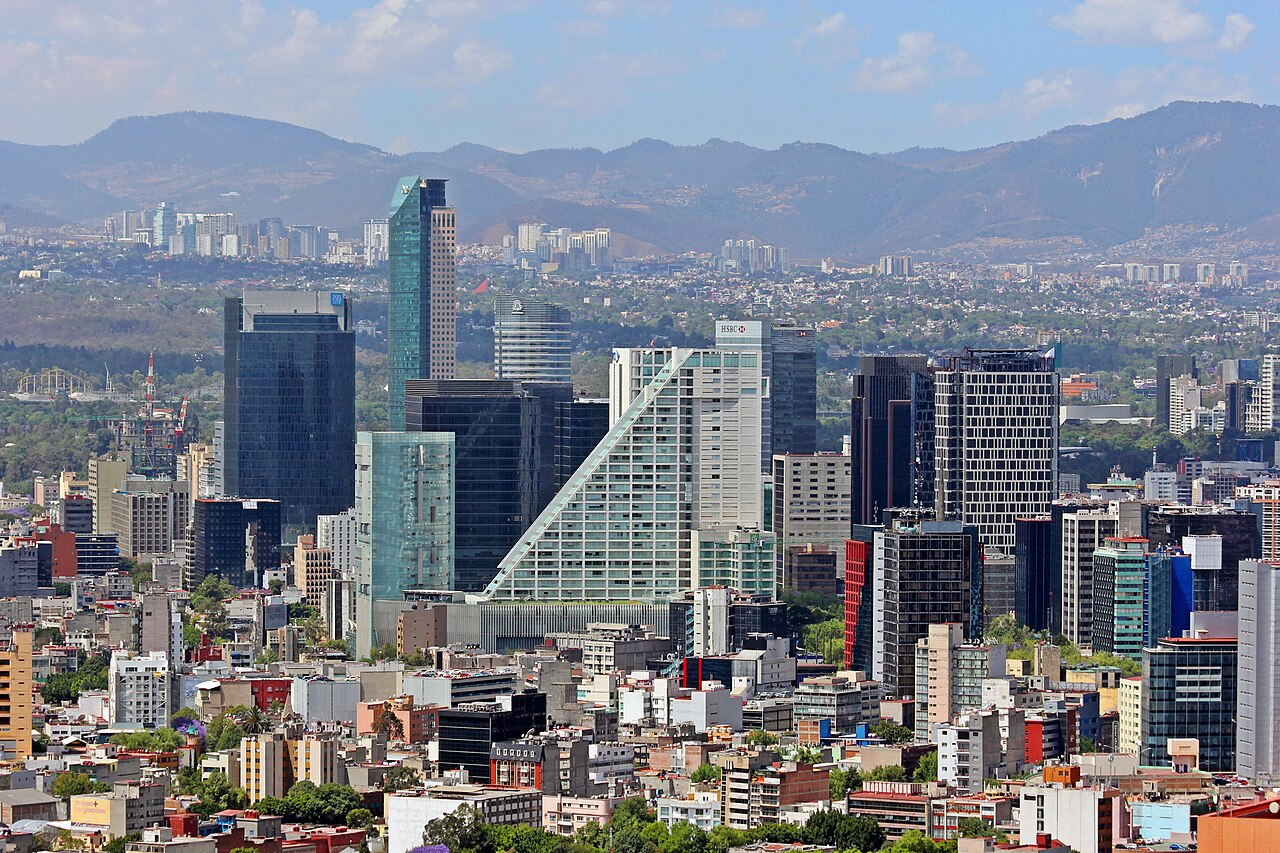


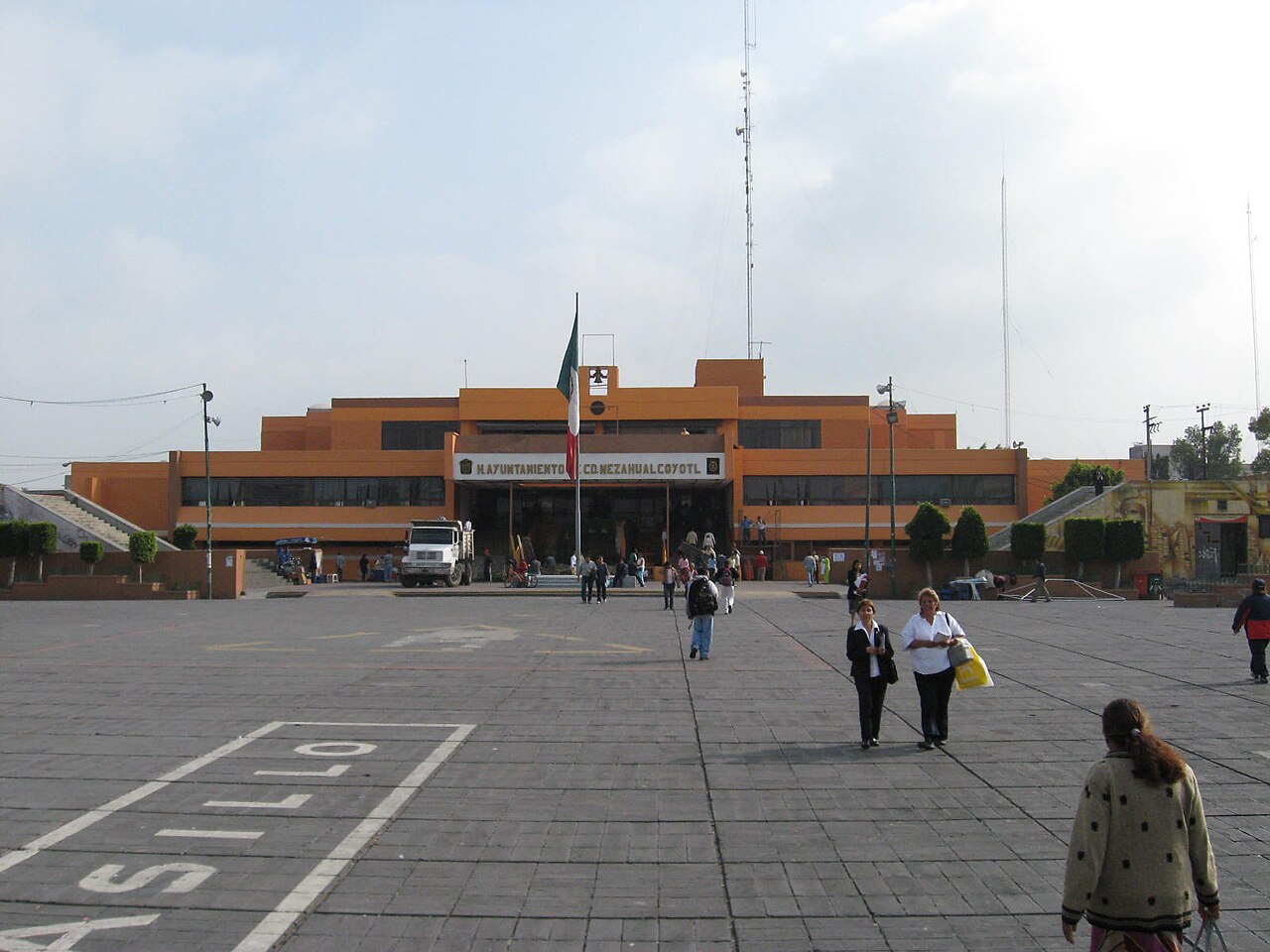


Criteria and definitions
Different authorities may report city sizes by municipal population, urban locality population, or metropolitan area totals. "City" in everyday use often refers to the central urban locality, while official counts may use the municipality (an administrative unit that can include rural areas) or the metropolitan area (a contiguous urban zone encompassing multiple municipalities). Lists based on a 100,000 threshold usually choose one of these measures and note it explicitly.
Geographic distribution and patterns
Cities above 100,000 are dispersed across Mexico but concentrate in certain regions: the densely populated central highlands, the Bajío economic corridor, and northeastern and northwestern industrial hubs. Coastal states and the Yucatán Peninsula also host sizable urban centers tied to ports and tourism. Urban growth trends reflect industrialization, internal migration, and international trade.
Major examples and roles
Among the largest and most internationally known are Mexico City (the national capital and largest urban agglomeration), Guadalajara (a cultural and technological center), and Monterrey (an industrial and business hub). Other important cities exceeding the 100,000 mark include regional capitals, tourist gateways, port cities, and manufacturing centers that drive local economies.
Uses and notable distinctions
- Planning and services: population thresholds help allocate infrastructure, education, and health services.
- Statistical clarity: specify whether counts are municipal, urban locality, or metro-area based to avoid confusion.
- Economic and political impact: cities of this size often host regional government offices and major commercial activity.
When consulting any list, check the date and the method used to compile figures, since urban boundaries and populations change over time. For further details on specific cities and their demographic histories consult the referenced compilations above.
Author
AlegsaOnline.com List of cities in Mexico with population over 100,000 Leandro Alegsa
URL: https://en.alegsaonline.com/art/141602