
List of cities in Kentucky
Overview of Kentucky’s incorporated cities, their range in size and governance, historical development, and notable municipalities such as Louisville, Lexington, and Frankfort.
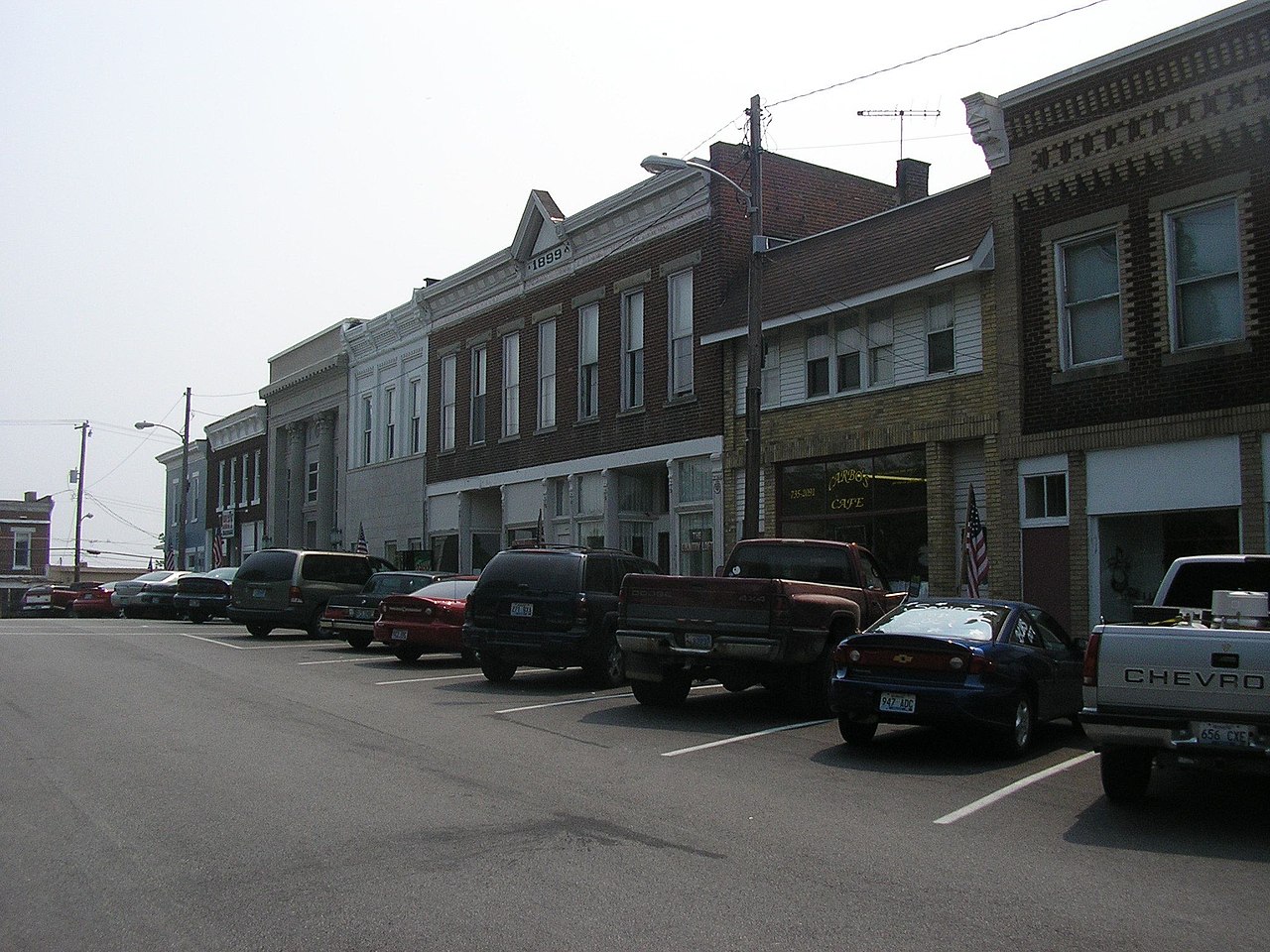
Kentucky is home to hundreds of incorporated municipalities commonly referred to as cities. According to official tallies there are 423 cities spread across the state’s 120 counties. These municipalities range from large urban centers to very small towns and each serves as a local government unit responsible for services, zoning, and civic identity.
Image gallery
10 Images


Characteristics and organization
Cities in Kentucky vary widely in population, area, and administrative form. Many operate under a mayor–council or council–manager arrangement, and some metropolitan areas use consolidated city–county governments. Incorporated cities provide basic municipal services such as police and fire protection, street maintenance, local planning, and utilities in some cases.
Notable cities (examples)
- Louisville — the state’s largest urban center and a regional economic hub.
- Lexington — known for its connections to the horse industry and higher education.
- Frankfort — the state capital and administrative center.
- Bowling Green — an important manufacturing and university city.
- Owensboro, Covington, and Paducah — notable river and regional centers.
History and development
Many Kentucky cities grew along rivers and rail lines during the 18th and 19th centuries, serving as river ports, trading posts, or industrial towns. Urban growth patterns were influenced by agriculture, transportation routes (including steamboat and rail commerce), and later by manufacturing and service industries. Over time, changes in transportation and economy reshaped which towns expanded and which remained small.
Importance and distinctions
Incorporated cities form the basic framework for local government in Kentucky. They are centers of commerce, culture, and public services, and they host county courthouses, regional hospitals, colleges, and cultural institutions. Some cities have unique legal arrangements—such as consolidated governments—that affect planning and service delivery. For a comprehensive roster and official details about each incorporated place, consult the state’s municipal listings: official city list.
While a full enumeration of all 423 cities is typically maintained by state agencies, common reference points for residents and researchers include lists by population, county seat status, or metropolitan area. Understanding Kentucky’s cities provides insight into the state’s regional diversity, economic patterns, and local governance.
Author
AlegsaOnline.com List of cities in Kentucky Leandro Alegsa
URL: https://en.alegsaonline.com/art/141601