
List of cities in El Salvador
Overview of urban centers in El Salvador, with administrative context, major cities and notable towns. Includes a representative list and guidance for finding a complete municipal listing.
Overview
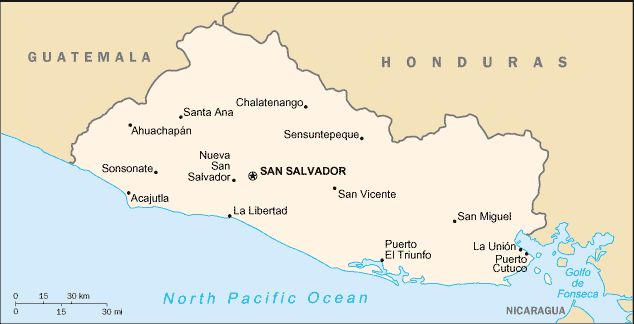
El Salvador is the smallest independent country in Central America but has a densely settled network of cities, towns and municipal seats that serve as economic and cultural centers. Urban places range from the national capital and large metropolitan suburbs to regional market towns and coastal ports. For a complete directory of populated places consult a dedicated list or registry, such as the official list.
Image gallery
3 Images

Administrative structure and definitions
Administratively, the country is divided into departments and municipalities. Each municipality typically contains an urban center (often called a city or town), surrounding rural areas, and smaller hamlets. Municipal seats are commonly referred to in everyday use as the cities of El Salvador even when the municipal territory extends beyond the built-up area.
Major cities and urban areas
The largest and most prominent urban centers include:
- San Salvador — the national capital and principal metropolitan hub
- Santa Ana — a major city in the western highlands
- San Miguel — an important commercial and cultural center in the east
- Soyapango — a densely populated suburb within Greater San Salvador
- Santa Tecla — a significant city near the capital with administrative importance
Other notable towns and regional centers
Beyond the largest cities, El Salvador has numerous regional centers and coastal towns such as Sonsonate, Ahuachapán, Zacatecoluca, Usulután and La Libertad. These places perform key roles for surrounding agricultural zones, coastal fishing communities and local industry.
Uses and importance
Lists of cities are used for planning, governance, statistical reporting, travel and postal services. When consulting such lists, be aware of differing terms: "city", "town" and "municipal seat" may be used interchangeably in common language but can imply different administrative scopes.
For an exhaustive roster of populated places and their municipal affiliations, see the referenced compilation: complete populated places list.
Author
AlegsaOnline.com List of cities in El Salvador Leandro Alegsa
URL: https://en.alegsaonline.com/art/141597