
Lennart Meri: Estonian writer, filmmaker and president (1929–2006)
Lennart Meri was an Estonian writer, filmmaker and statesman who served as President of Estonia from 1992 to 2001, guiding the country through post‑Soviet transition and promoting cultural identity and Western integration.
Lennart Meri (29 March 1929 – 14 March 2006) was an influential Estonian writer, documentary filmmaker and political leader. As the president of Estonia from 1992 until 2001, he emerged as a prominent figure in the country's recovery after Soviet rule, combining cultural advocacy with active diplomacy to strengthen Estonia's place in Europe.
Image gallery
5 Images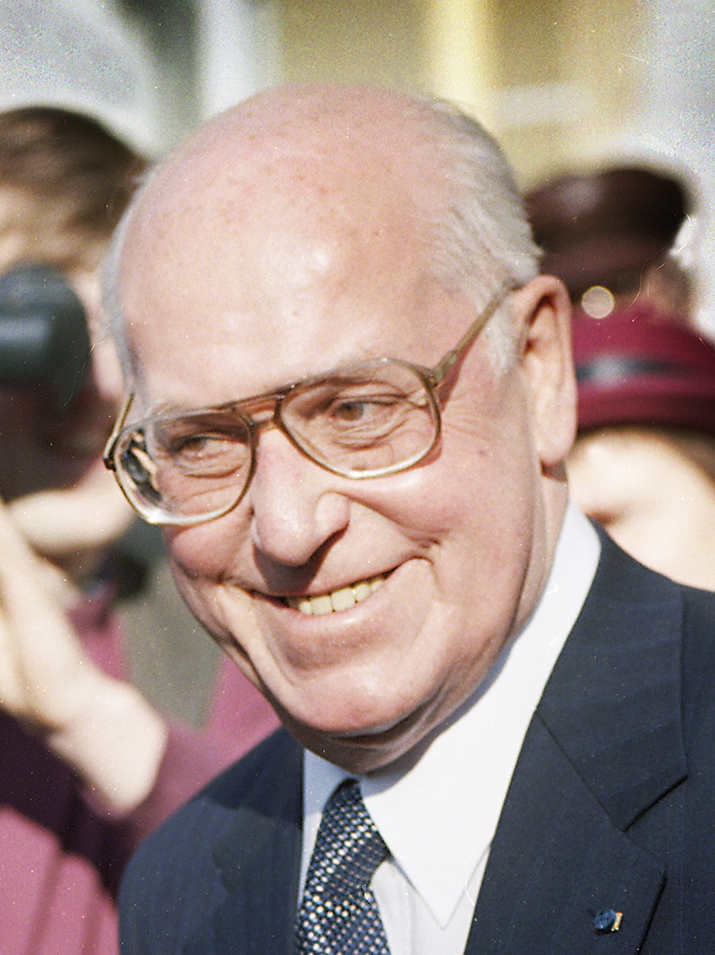


Career in literature and film
Before entering high political office, Meri established himself as a cultural figure. He wrote essays and travel accounts and made documentary films that explored history, language and the peoples of the region. His work often emphasized the continuity of Estonian culture and the wider connections among northern and eastern European traditions. This cultural profile helped shape his public persona as an intellectual president.
Presidency and political role
Serving as head of state during the 1990s, Meri presided over a formative decade when Estonia reconstituted its institutions and sought international recognition and partnerships. He was a vocal advocate for closer ties with Western Europe and transatlantic organizations, and he used his office to raise Estonia’s visibility abroad and to encourage reforms at home.
Policies and priorities
- Promotion of national identity and culture alongside democratic reforms.
- Active diplomacy to secure Estonia’s security and economic integration.
- Support for market-oriented reforms and the rule of law to attract foreign cooperation.
His approach combined symbolic leadership with practical engagement—welcoming foreign visitors, addressing international forums and cultivating bilateral relations. For information about Estonia's contemporary institutions and context, see Estonia.
Legacy and notable facts
Meri is remembered for elevating cultural themes within statecraft and for helping to reintroduce Estonia to the international community after decades of occupation. He remained a respected public intellectual until his death in 2006. His presidency is often cited as a period when symbolic gestures and sustained diplomacy worked together to anchor a newly independent state in the European political landscape.
Author
AlegsaOnline.com Lennart Meri: Estonian writer, filmmaker and president (1929–2006) Leandro Alegsa
URL: https://en.alegsaonline.com/art/141376