
Lạng Sơn province, Vietnam
Lạng Sơn is a mountainous, border province in Northeast Vietnam bordering Guangxi (China). Its capital is Lạng Sơn city; area ~8,310 km² and population ~781,655 (2019). Key roles: trade, culture, and frontier history.
Lạng Sơn is a province in the Northeast region of Vietnam, lying along the international frontier with Guangxi and China. The provincial capital is the city of Lạng Sơn. The province covers about 8,310.2 km² and had a population of roughly 781,655 in 2019, giving it a moderate population density concentrated in valleys and lowland districts.
Image gallery
10 Images


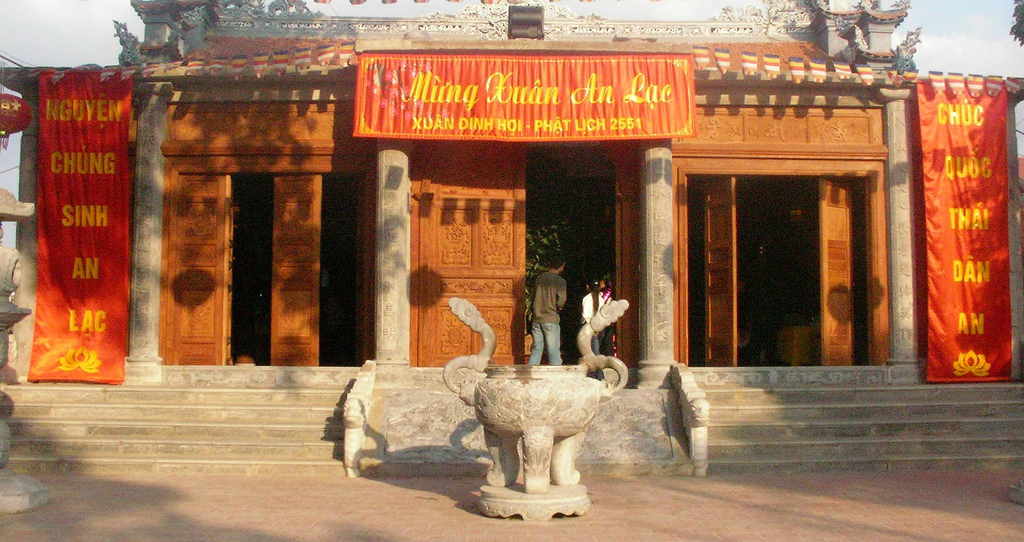

Geography and climate
The landscape is dominated by rugged hills and karst formations typical of the Northeast highlands, with narrow river valleys and forested slopes. Elevation varies considerably, creating a mix of microclimates. Lạng Sơn experiences a humid subtropical monsoon climate: warm, wet summers and cooler, drier winters, with most rainfall occurring from late spring through early autumn.
Population, ethnic groups and culture
The province is ethnically diverse. In addition to the majority Kinh (Vietnamese), there are substantial communities of Tay, Nung, Dao and other highland peoples, as well as Hoa (ethnic Chinese) in some towns. Local culture reflects this mix: traditional festivals, woven handicrafts, hill-tribe textiles and regional culinary specialties appear throughout markets and village fairs.
History and notable places
Lạng Sơn occupies an important historical and strategic position along routes linking northern Vietnam with southern China. Historic sites include passes and battlefields that have long shaped local identity, and the Chi Lăng area is famous in Vietnamese history as a natural defensive corridor. The province also contains pagodas, mountain vistas and cave systems visited by domestic tourists.
Economy, transport and border trade
Economic activity combines agriculture, forestry, small-scale industry and cross-border commerce. Valley farms produce rice, maize, tea and medicinal plants, while upland zones support timber and fruit cultivation. Lạng Sơn’s border position makes it a gateway for trade with China: major crossings and transport facilities include the Hữu Nghị (Friendship) international gate and the Đồng Đăng rail and road approaches.
- Major transport links: national highways and railway connections toward Hanoi and the Chinese border.
- Traditional products: hill crops, herbal medicines, woven textiles and regional foods.
- Role: strategic frontier province for commerce and cultural exchange.
Today Lạng Sơn balances development pressures with efforts to preserve cultural diversity and natural landscapes, while continuing to serve as an important commercial and historic corridor between Vietnam and its northern neighbor.
Author
AlegsaOnline.com Lạng Sơn province, Vietnam Leandro Alegsa
URL: https://en.alegsaonline.com/art/141067