
Kinloch, Missouri — history, decline, and community profile
Kinloch is a small city in St. Louis County, Missouri, known as the oldest incorporated African-American community in the state; it has experienced dramatic population loss and ongoing preservation challenges.
Kinloch is a small incorporated city in St. Louis County, in the U.S. state of Missouri. It is notable for its place in African-American municipal history: Kinloch is the oldest African-American community to be incorporated in Missouri. The city reported a population of 298 at the 2010 census, a fraction of its size in earlier decades.
Image gallery
3 Images

Overview and characteristics
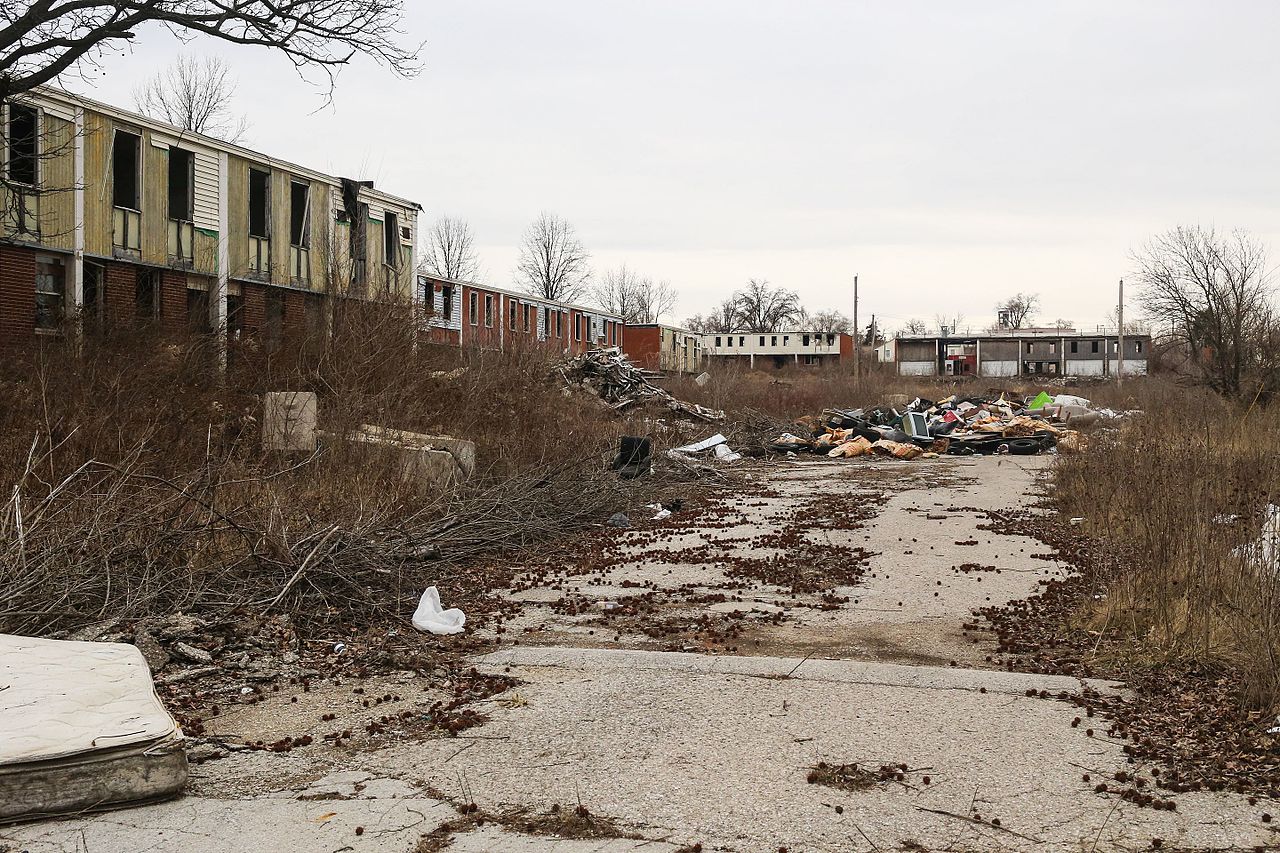
Kinloch is a predominantly residential municipality with a compact footprint and a legacy of local institutions such as churches, community groups, and small businesses. Like many small, majority-Black towns in the United States, Kinloch has faced difficulties maintaining services and infrastructure with a shrinking tax base. The community's built environment includes older homes and vacant lots that reflect long-term demographic change.
History and decline
Founded as an African-American community and incorporated to provide local governance and services, Kinloch once had a larger, stable population and functioning local institutions. During the late 20th century the city experienced dramatic population loss: between 1990 and 2000 it lost more than 80 percent of its residents, a decline frequently attributed to rising violence, economic hardship, and displacement pressures. These forces combined to reduce municipal revenues and accelerate out-migration.
Uses, importance, and contemporary issues
Kinloch's history is important for understanding Black municipal self-governance and suburban and urban change in the St. Louis metropolitan area. Preservation advocates and community leaders emphasize the need to retain historic sites, support remaining residents, and document the town's civic history. Efforts to stabilize small municipalities often focus on basic services, affordable housing, and community-driven planning.
Notable facts and distinctions
- Historically recognized as the oldest incorporated African-American community in Missouri.
- Experienced extreme population decline between 1990 and 2000, linked to violence and economic factors; researchers and reporters have examined these causes in regional studies (see related reports).
- Serves as a case study in the challenges facing small, majority-Black municipalities in metropolitan regions.
Understanding Kinloch requires attention to local history, demographic data, and regional policy decisions. While small in size today, the city remains symbolically and historically significant, and ongoing conversations about preservation, redevelopment, and resident welfare continue among local stakeholders and observers.
Author
AlegsaOnline.com Kinloch, Missouri — history, decline, and community profile Leandro Alegsa
URL: https://en.alegsaonline.com/art/140936
Sources
- census.gov.html : "Race, Hispanic or Latino, Age, and Housing Occupancy: 2010 Census Redistricting Data (Public Law 94-171) Summary File (QT-PL), Kinloch city, Missouri"