
Kenneth Lay — Enron CEO and central figure in the Enron scandal
Kenneth L. Lay (1942–2006) was an American energy executive who led Enron. He was convicted in the corporation's accounting fraud case but died before sentencing; his convictions were later vacated.
Overview
Kenneth L. Lay (April 15, 1942 – July 5, 2006) was an American business executive best known for his role as chairman and chief executive officer of Enron Corporation, a Houston-based energy trading and utilities company. Under his leadership Enron grew from a regional pipeline and natural gas firm into a national energy trader and marketer during the 1990s. The company later collapsed amid revelations of widespread accounting manipulation and off-balance-sheet entities that hid debt and losses.
Image gallery
2 Images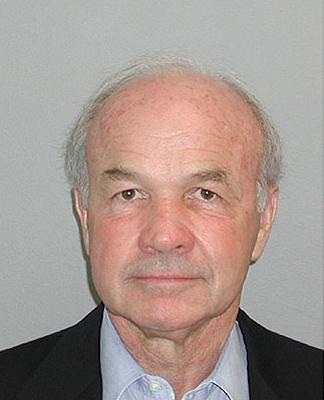

Career and role at Enron
Lay rose through the energy industry to become the public face of Enron after a 1985 merger that created a new, larger corporation. As chairman and CEO he promoted aggressive growth into trading, broadband ventures, and international projects. He cultivated relations with politicians, regulators and investors and was widely regarded as a leading advocate for energy deregulation. Critics later argued that management incentives and complex financial practices encouraged short-term stock-price performance over transparency.
Collapse, investigation and charges
In late 2001 Enron revealed massive losses and restatements tied to special-purpose entities and accounting techniques that masked the company’s true liabilities. The disclosure triggered a rapid fall in Enron’s stock price, bankruptcy filings, and multiple federal and state investigations. Lay and other senior executives were accused of securities fraud, wire fraud and making false and misleading statements to investors, employees and the public.
Trial, conviction and death
Lay was indicted by a federal grand jury in Houston and tried on charges related to the collapse. In May 2006 a jury found him guilty on conspiracy and fraud counts and a judge found him guilty on additional counts in a separate proceeding. Sentencing was scheduled for later in 2006, but Lay died of a heart attack while on vacation in Colorado on July 5, 2006. The conviction process was complicated by his death; his case could not proceed to completed appeals.
Aftermath and legacy
Lay’s death prompted legal and public debates about accountability in corporate scandals. In 2007 an appeals court vacated his convictions on the basis that his death terminated the criminal proceedings before appeals could be completed. The Enron scandal led to widespread reforms in corporate governance, accounting rules and securities law enforcement, including the Sarbanes-Oxley Act, reforms intended to improve financial disclosure and auditor independence.
Notable facts and further reading
- Enron’s collapse is considered one of the largest corporate failures in United States history and reshaped investor expectations for disclosure and oversight.
- Lay remained a polarizing figure: praised for business acumen by some contemporaries and condemned by others for his role in the events that harmed investors and employees.
- For contemporary reporting and court documents, see primary sources and archives: primary documents, news coverage, and court opinions. For legislative response and analysis, consult reform summaries.
This article summarizes widely reported facts about Kenneth Lay and the Enron scandal. For comprehensive legal records and contemporaneous reporting, consult the linked resources above.
Author
AlegsaOnline.com Kenneth Lay — Enron CEO and central figure in the Enron scandal Leandro Alegsa
URL: https://en.alegsaonline.com/art/140808