
Kanye West 2020 presidential campaign
Summary of Kanye West’s independent 2020 presidential bid: announcement, organization, ballot access, platform themes, reception and lasting significance in U.S. electoral politics.
In July 2020, musician and entrepreneur Kanye West announced an independent campaign for President of the United States, generating widespread media attention and public debate. The announcement came via social media on July 4 and followed earlier public statements dating to 2015 in which West had mentioned a presidential run. His candidacy was notable for its late start, uneven ballot access across states, and a blend of religious rhetoric and conservative-leaning policy statements that set it apart from the major-party campaigns.
Image gallery
5 Images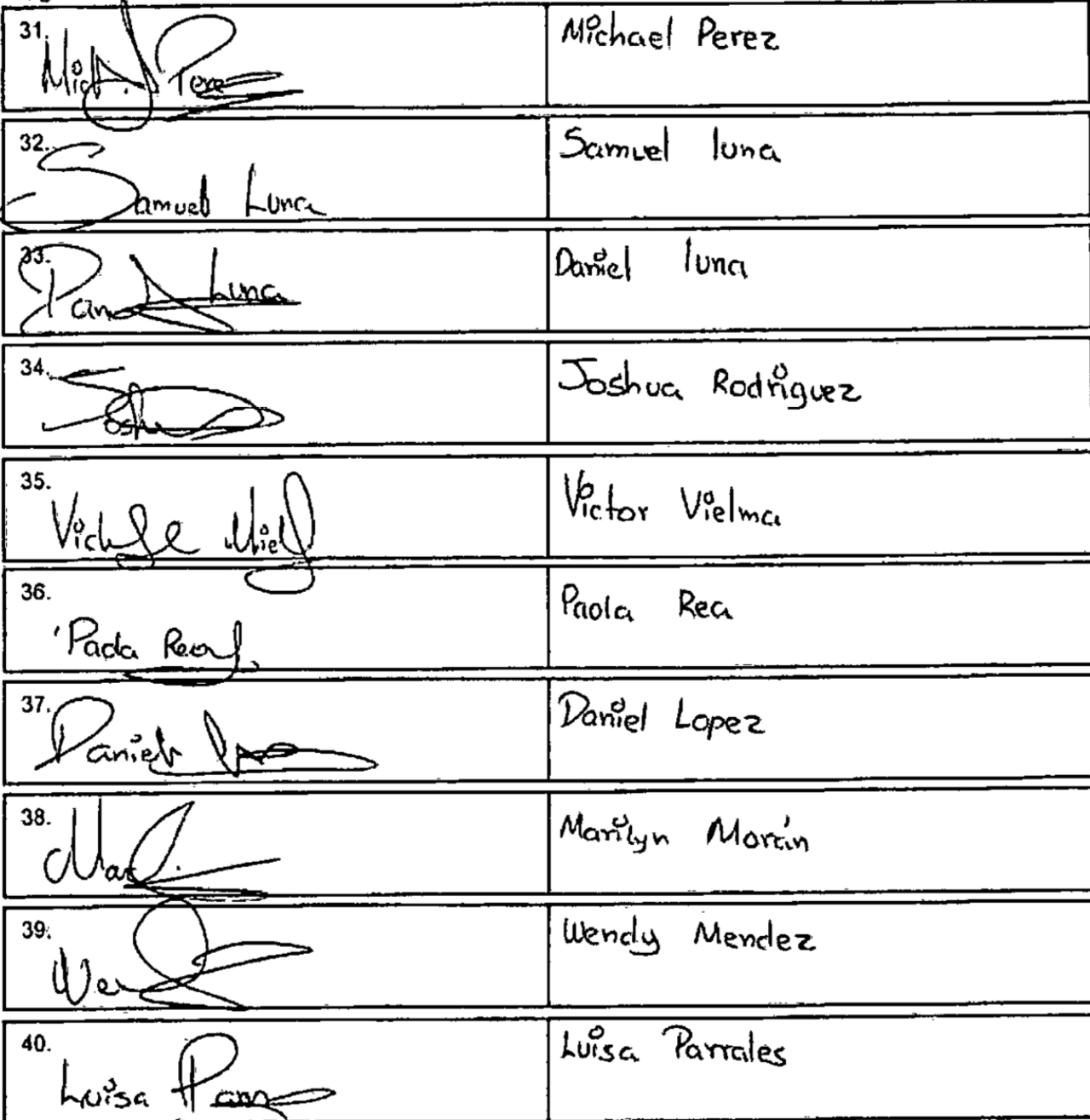



Announcement and organizational steps
Kanye West declared his 2020 bid on July 4, 2020 through a post on social media, and later that month filed a Statement of Candidacy with the Federal Election Commission. The campaign operated as an independent effort rather than a recognized third party, which complicated efforts to meet the varying filing deadlines and signature requirements imposed by individual states. Because many states had closed their deadlines by the time the campaign organized, West missed opportunities to appear as a named candidate on several ballots and instead pursued a mix of petition drives and write-in campaigns.
Running mate and ballot access
West named Michelle Tidball, a Wyoming pastor, as his vice-presidential running mate. The ticket managed to secure ballot access in at least one state and pursued qualified or pending status in others; for example, the campaign achieved ballot placement in Oklahoma. In many jurisdictions the effort was too late to meet official deadlines, leading to a patchwork of qualified appearances and write-in or absent listings. These logistics limited the campaign’s practical electoral impact.
Platform themes and campaign materials
The campaign emphasized religious faith and family issues alongside positions that observers described as leaning toward conservative policy priorities. West framed parts of his platform in religious and cultural terms, often invoking Christian themes and pro-family rhetoric. The campaign released or associated itself with new music during the campaign period; a single titled "Nah Nah Nah" was released in October 2020 and became informally tied to West’s bid.
Reception, controversies, and significance
- Media and public response ranged from curiosity to criticism, with commentators debating whether the campaign was a genuine political effort or a symbolic statement.
- Some critics raised concerns that a late, independent candidacy could siphon votes in closely contested states, while supporters argued it offered an alternative voice outside the two-party system.
- The campaign’s organization and rhetoric drew attention to questions about ballot access laws, the role of celebrity in politics, and the interaction of faith and policy in modern campaigns.
Aftermath and broader context
Ultimately, Kanye West’s 2020 bid had limited effect on the official outcome of the election but left a notable mark on the public discussion about outsider candidates and the mechanics of running for national office on short notice. It highlighted how social media, popular culture, and celebrity can intersect with electoral politics, and it prompted renewed scrutiny of state-by-state ballot rules. For contemporaneous reporting and filings, see the campaign announcement and FEC statement via primary announcement and FEC filing. Additional coverage and analysis are available through sources listed below.
Further reading and contemporaneous sources: social media post, Independence Day timing, running mate background, running mate announcement, policy description, political alignment commentary. For campaign materials and music releases associated with the bid see campaign posts and the October single release noted in reporting at music coverage.
Author
AlegsaOnline.com Kanye West 2020 presidential campaign Leandro Alegsa
URL: https://en.alegsaonline.com/art/140716