
John Lewis: Civil Rights Leader and U.S. Representative
John Lewis (1940–2020) was an American civil rights leader and politician. SNCC chairman, one of the 'Big Six' at the 1963 March on Washington, and U.S. Representative for Georgia's 5th district (1987–2020).
John Lewis (February 21, 1940 – July 17, 2020) was a prominent American civil rights activist and long-serving politician. He rose to national attention in the 1960s as a leader of nonviolent direct action and later represented Georgia's 5th congressional district in the U.S. House of Representatives from 1987 until his death. In Congress he was widely regarded as a stalwart advocate for voting rights, racial justice and human dignity.
Image gallery
10 Images


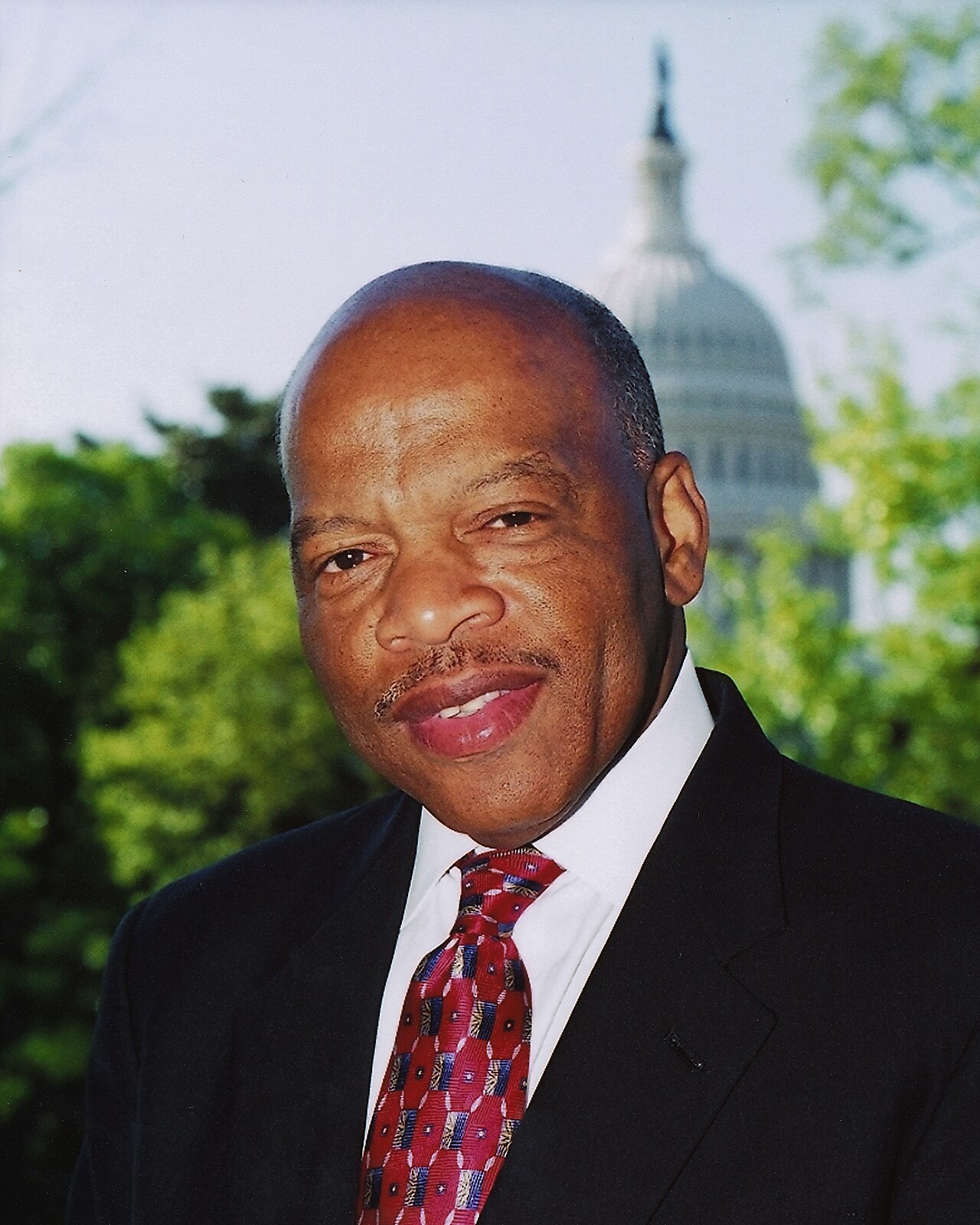


Early life and activism
Born in the rural South, Lewis became involved in sit-ins, Freedom Rides and voter-registration campaigns as a young man. He trained in nonviolent protest techniques and helped organize campaigns that challenged segregation and discriminatory voting practices. Lewis endured arrests, physical attacks and repeated imprisonments during this period but continued to press for reform through direct action and coalition building.
Leadership in the 1960s
As chairman of the Student Nonviolent Coordinating Committee (SNCC), Lewis was counted among the "Big Six" leaders who helped organize the 1963 March on Washington. He was a key figure in the events surrounding the Selma to Montgomery voting-rights marches, including the assault suffered on March 7, 1965, a confrontation that drew national attention and helped create momentum for federal voting-rights legislation.
Congressional career
First elected in 1986, Lewis served multiple terms in the House of Representatives as a member of the Democratic Party. He earned a reputation for moral clarity and for persistent advocacy on civil rights, access to the ballot, and social justice. As the longest-serving member of Georgia's delegation, he was often described as a mentor and a moral voice in Congress. He continued to protest and speak publicly on contemporary civil-rights issues while serving as a legislator.
Writings, legacy and distinctions
Beyond public office, Lewis sought to pass the history and lessons of the movement to new generations. He co-authored the graphic memoir series March, which recounts his early years in the struggle and has been used widely in schools and community programs. Lewis's life is remembered for the combination of disciplined nonviolence, political engagement, and a lifelong commitment to expand democratic participation.
Notable facts
- He was one of the principal organizers of major civil-rights demonstrations in the 1960s and a national spokesman for nonviolent protest.
- He served in the U.S. House of Representatives for more than three decades as the representative for Georgia's 5th district; see his official congressional role: U.S. Representative.
- Late in life he continued to press for voting rights and civic engagement, remaining an influential public figure until his death in 2020.
John Lewis is remembered as a bridge between the civil-rights movement and later generations of activists and lawmakers, and as a persistent advocate for the rights of marginalized Americans.
Author
AlegsaOnline.com John Lewis: Civil Rights Leader and U.S. Representative Leandro Alegsa
URL: https://en.alegsaonline.com/art/140536