
João Bernardo 'Nino' Vieira
Bissau-Guinean military officer and politician who led Guinea-Bissau in several non-consecutive terms (1980–1999, 2005–2009), playing a central role in independence, governance, and recurrent military upheavals.
João Bernardo "Nino" Vieira (27 April 1939 – 2 March 2009) was a military officer and politician who dominated Guinea-Bissau's political life for decades. A prominent figure in the liberation movement and later in state leadership, he served multiple terms as head of state and became a symbol of both national independence and the cycles of instability that have affected the country. He governed in a context of frequent military intervention and political rivalry.
Image gallery
4 Images

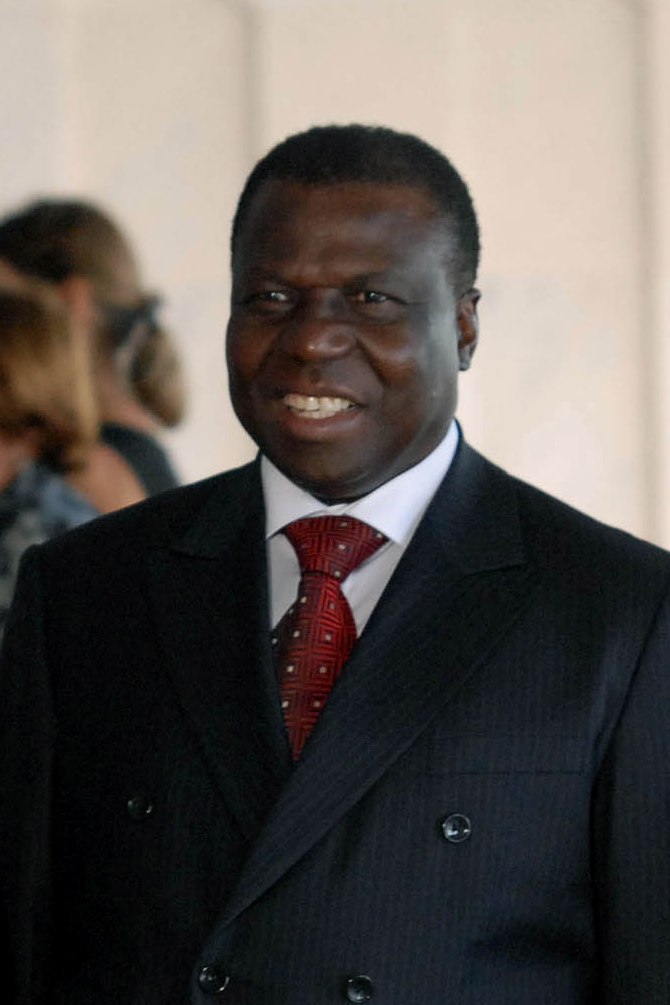

Early life and role in independence
Vieira emerged from the anti-colonial struggle against Portuguese rule as a member of the African Party for the Independence of Guinea and Cape Verde (PAIGC). Like many leaders of his generation, his reputation was built on participation in the guerrilla conflict that led to independence in the mid-1970s. That wartime stature provided the political foundation for his later rise within the post‑independence state apparatus and the armed forces.
Political career and presidencies
- He came to power in a 1980 coup that removed the first post‑independence president; thereafter he served as the country's chief executive for extended periods.
- Vieira remained a central authority through the 1980s and 1990s, presiding over a one‑party state that later faced pressure to democratize and confront economic and social problems.
- Following a period of revolt and civil conflict in the late 1990s, he was forced into exile but returned and won election to the presidency in 2005.
- His final term lasted until his death in 2009, when he was killed during a violent outbreak in the capital.
During his long involvement in national politics, Vieira combined a military background with civilian rule. Supporters credited him with providing continuity and national leadership in a fragile state; critics accused his administrations of authoritarian tendencies, clientelism, and insufficient reform. Guinea-Bissau under his leadership struggled with economic weakness, weak institutions, and influence from armed factions.
The end of his rule in 1999 followed a period of armed rebellion and political breakdown that forced him into exile. His 2005 return and electoral victory underscored both his enduring political profile and the fragmented nature of the country's party and military landscape. On 2 March 2009 Vieira was killed amid violent clashes in the capital; subsequent reports implicated elements of the armed forces, while official statements from military spokespeople offered different accounts and made varying denials.
Legacy assessments of Vieira are mixed: he is remembered as a prominent independence-era leader who helped shape the early republic but also as a central figure in the recurrent pattern of coups and instability that has complicated Guinea-Bissau's development. For further context on the country he led, see Guinea-Bissau.
Author
AlegsaOnline.com João Bernardo 'Nino' Vieira Leandro Alegsa
URL: https://en.alegsaonline.com/art/140429