
Jack Welch — Business Executive and Management Reformer
Profile of John F. 'Jack' Welch Jr., longtime General Electric CEO known for corporate restructuring, management techniques such as Six Sigma and forced ranking, and his influence on modern corporate governance.
John Francis "Jack" Welch Jr. (1935–2020) was an American chemical engineer, author and chief executive who led General Electric as chairman and CEO from 1981 until 2001. Widely recognized for reshaping GE's culture and portfolio, Welch became a prominent and polarizing figure in late 20th-century business management. His tenure is associated with extensive restructuring, a drive for efficiency, and an emphasis on shareholder value.
Image gallery
1 Image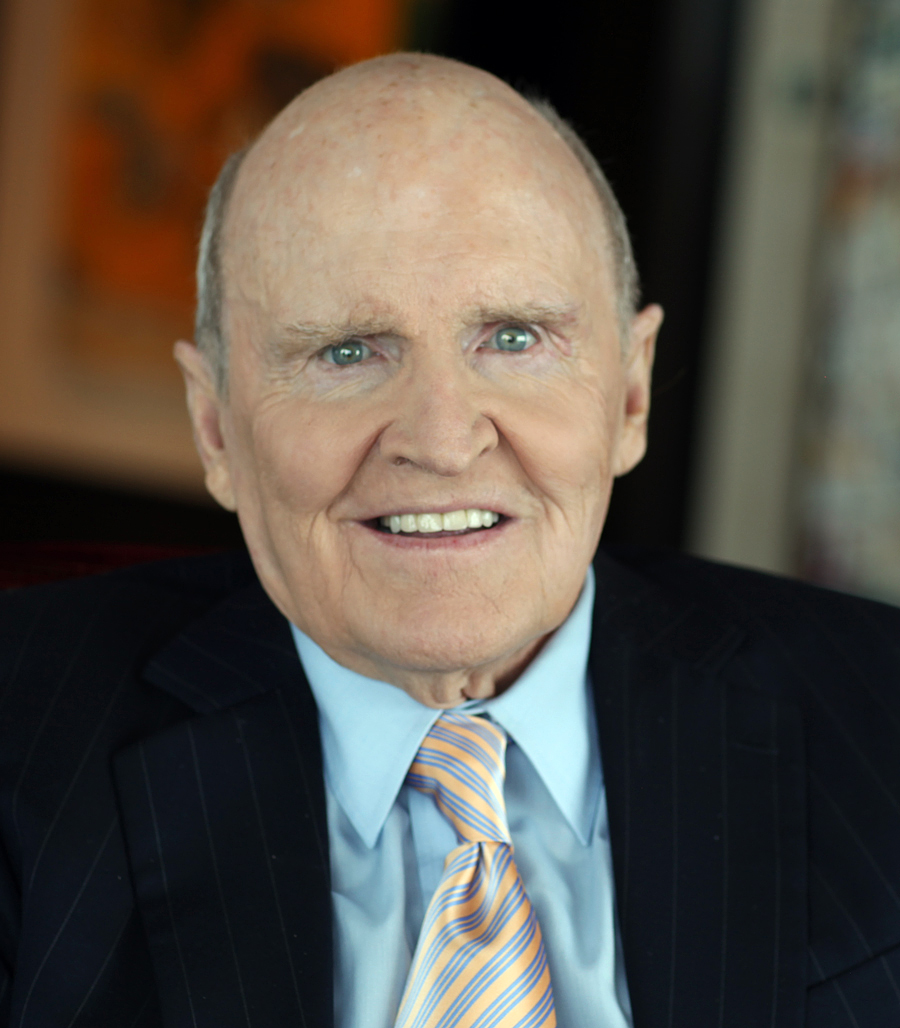
Career and leadership
Welch began his career as a chemical engineer and rose through GE's ranks over two decades before taking the top leadership role. As CEO he pursued aggressive reorganization: selling or closing divisions that were not market leaders, expanding into new sectors, and pursuing acquisitions in media and technology. Under his stewardship GE became more diversified and highly scrutinized as a model of corporate performance and centralised management practices.
Management approach and programs
- Performance-driven culture: Welch promoted clear metrics and accountability; managers were expected to improve results or face replacement.
- Forced ranking: He is commonly associated with a vitality curve, a system for evaluating and ranking employees that rewarded top performers and removed low-ranked staff.
- Process improvement: He popularised the use of Six Sigma methods across GE to reduce defects and improve quality.
- Portfolio focus: A guiding principle was that each business should be first or second in its market, otherwise it should be fixed, sold or closed.
Impact, criticism and legacy
Supporters credit Welch with decisively modernising a large industrial conglomerate and increasing its prominence on global markets. Critics contend his emphasis on short-term results and cost-cutting led to layoffs and weakened some long-term capabilities. Practices he championed—such as forced ranking—have been widely adopted and debated in other corporations. His tenure remains a case study in leadership, corporate governance and the trade-offs between efficiency and workforce stability.
Later life, writings and notable facts
After retiring from the C-suite Welch pursued writing, speaking and educational initiatives. He published memoirs and management books and helped establish an online management program. Several widely reported facts from his public life illustrate his prominence: his retirement package included a large severance payment, his estimated personal wealth has been the subject of public reporting, and he continued to be a prominent commentator on business until his death from renal failure at his home in Manhattan on March 1, 2020.
- Chairman and CEO of GE: 1981–2001.
- Background: trained as a chemical engineer; educated at the University of Massachusetts Amherst and the University of Illinois Urbana–Champaign.
- Published works include management memoirs and books aimed at executives and students.
Author
AlegsaOnline.com Jack Welch — Business Executive and Management Reformer Leandro Alegsa
URL: https://en.alegsaonline.com/art/140222