
J. R. Jayewardene
Junius Richard (J. R.) Jayewardene (1906–1996) was a Sri Lankan statesman who served as Prime Minister and then as the country’s second president, introducing the 1978 executive presidency and market-oriented reforms.
Junius Richard Jayewardene (born 17 September 1906, died 1 November 1996) was a leading Sri Lankan politician and statesman commonly known as J.R.. His name appears in Sinhala and Tamil linguistic forms; see Sinhala and Tamil renderings for local use. He is frequently referred to simply as J.R. in Sri Lankan public life, and is officially recorded as the second president of the Republic of Sri Lanka.
Image gallery
9 Images


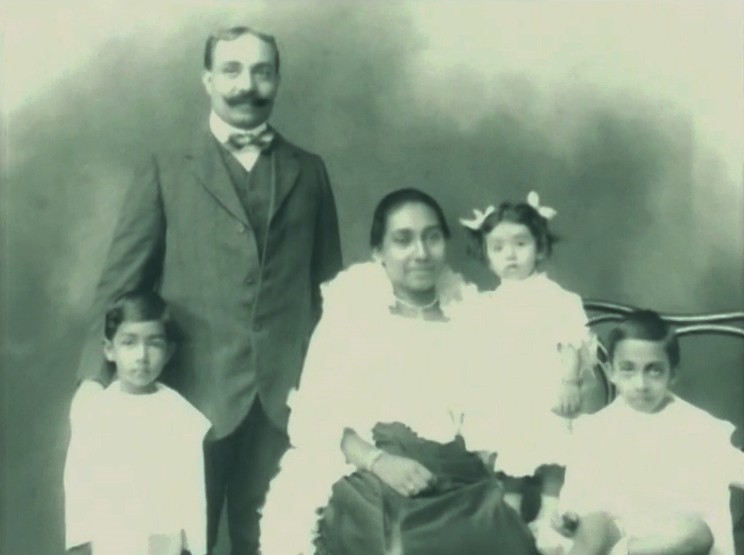

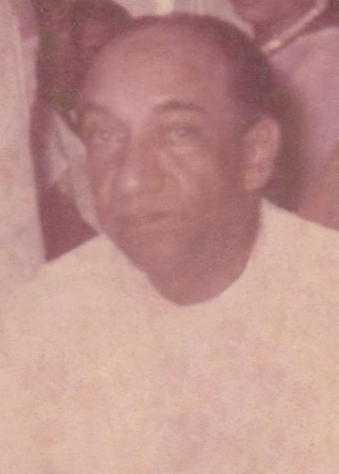
Overview
Jayewardene rose from a background in law and parliamentary politics to become leader of the United National Party (UNP). After leading his party to a decisive victory in the 1977 election he became Prime Minister and, following constitutional change in 1978, became the country’s first executive president. He led Sri Lanka through a period of economic liberalization and major constitutional change, serving as president from 1978 until 1989.
Early life and career
Educated and trained as a lawyer, Jayewardene entered public life through parliamentary politics and held a variety of ministerial responsibilities before becoming UNP leader. His background in law and administration shaped his approach to governance and constitutional reform. He was known for his disciplined party organization and long involvement in parliamentary debates.
Presidency and reforms
Jayewardene’s presidency is most noted for two broad developments: the adoption of a new constitution that created a powerful executive presidency, and a shift toward market-oriented economic policies. His administration promoted foreign investment, deregulation in selected sectors, and the establishment of export-oriented initiatives intended to modernize the economy. Supporters credit these measures with attracting new capital and diversifying industry; critics argue they widened income gaps and prioritized urban over rural development.
Challenges, conflict and international relations
His tenure coincided with increasing ethnic tensions between the majority Sinhalese and minority Tamil communities. Episodes of communal violence and the escalation of armed conflict marked the 1980s. Jayewardene negotiated regional accords and engaged with neighboring countries, a process that led to direct foreign involvement in attempts to stabilize the island. These interventions and domestic security policies remain subjects of debate among historians and human rights analysts.
Legacy
Assessments of Jayewardene’s legacy are mixed. He is credited with reshaping the constitutional structure and opening parts of the economy to global markets, leaving a lasting institutional imprint. At the same time, the concentration of presidential power and the handling of ethnic tensions are cited as causes of persistent political and social challenges. His life and career continue to be studied for their impact on Sri Lanka’s modern political development.
- Major roles: lawyer, parliamentary minister, UNP leader, Prime Minister, executive President.
- Key policies: 1978 Constitution, economic liberalization, foreign investment promotion.
- Notable controversies: centralization of power; handling of ethnic conflict and security policy.
For further context and original-language forms see Sinhala, Tamil, and common references to J.R.. Official listings identify him among the nation’s presidents in order.
Author
AlegsaOnline.com J. R. Jayewardene Leandro Alegsa
URL: https://en.alegsaonline.com/art/140172