
J. B. Pritzker: Businessman and Governor of Illinois
Overview of J. B. Pritzker — his background in business and philanthropy, political rise to Illinois governor, major initiatives, and notable facts about his tenure and public profile.
Overview
Jay Robert "J. B." Pritzker (born January 19, 1965) is an American businessman, investor and philanthropist who entered elective politics as the 43rd governor of Illinois. Based in Chicago, Pritzker is a member of the prominent Pritzker family and established a career in private investment before seeking statewide office. He took office in 2019 after defeating incumbent Bruce Rauner in the 2018 gubernatorial election and has focused his administration on public health responses, economic initiatives and social policy changes.
Image gallery
10 Images


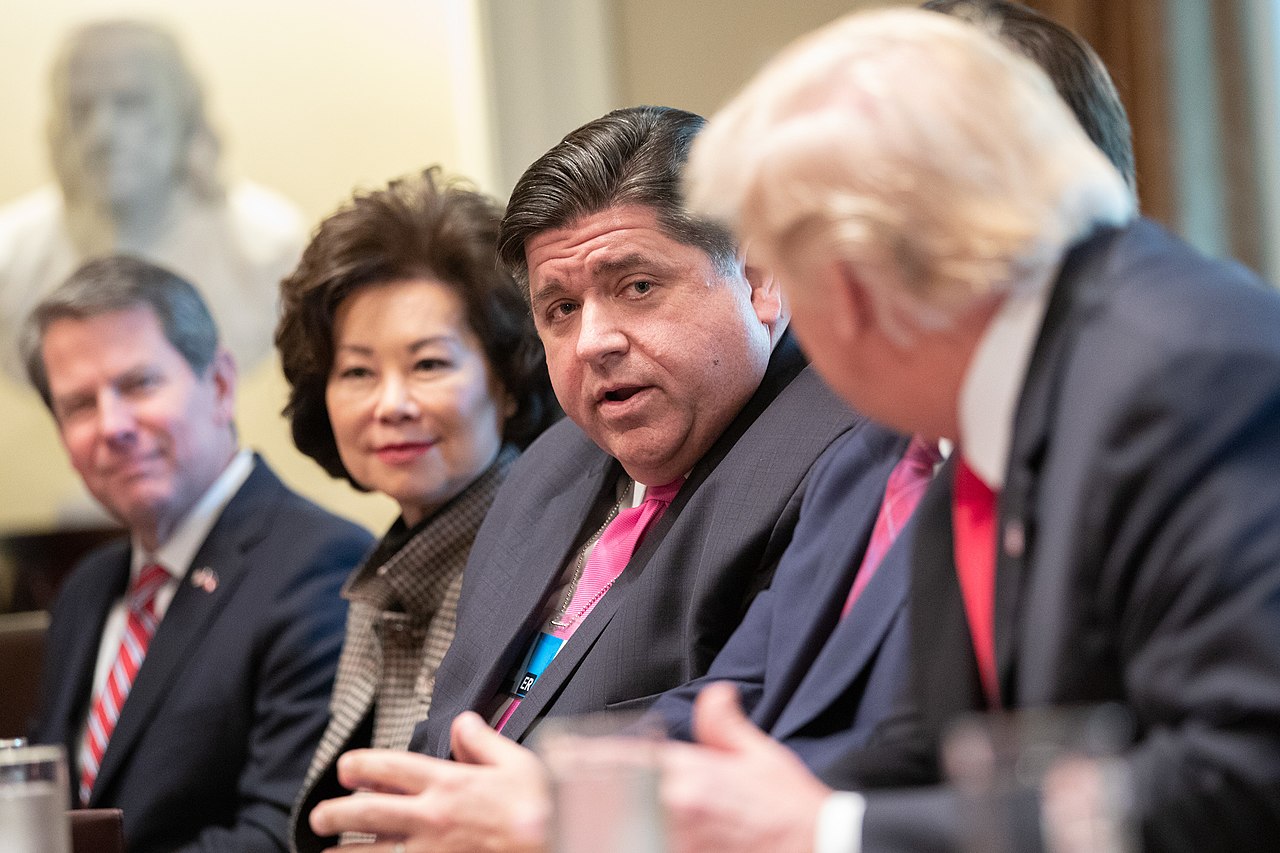

Business career and philanthropy
Pritzker co-founded and served as managing partner of a private investment group that concentrated on middle-market companies, services and technology ventures. His professional background combines venture investing, private equity and entrepreneurship. Alongside his business interests, he has been involved in philanthropy, supporting civic projects, education and cultural institutions through family foundations and personal contributions. His private wealth places him among the wealthiest public officials in the United States.
Political rise and election
Pritzker emerged as a Democratic candidate for governor and ran statewide with State Representative Juliana Stratton as his running mate. In the 2018 campaign he challenged incumbent Bruce Rauner and won handily, securing what many media accounts described as a decisive or landslide-style victory. He was inaugurated in 2019 and later ran for a second term in 2022. His campaign emphasized economic development, infrastructure investment, and progressive social policies aligned with the Democratic Party coalition in the state.
Major initiatives and administration
Key elements of Pritzker's governing agenda include public health management, particularly during the COVID-19 pandemic; efforts to raise the state minimum wage; and measures on criminal justice, education funding and infrastructure. One of the early and widely noted actions of his administration was Illinois' handling of pandemic-related restrictions and resource allocation, which brought both praise and criticism. He also signed legislation legalizing recreational adult cannabis use and backed increases to the minimum wage as part of broader economic equity efforts.
Distinctive facts and controversies
- Wealth and public office: Pritzker's personal fortune, derived from family holdings and his investment firm, has drawn attention to potential conflicts of interest and heightened scrutiny of his financial disclosures.
- COVID-19 response: His administration's pandemic policies were a defining feature of his first term and shaped public perceptions of his leadership during a major crisis.
- Policy impact: Legislation enacted under his tenure has included major shifts on cannabis, labor standards and budget priorities that continue to influence Illinois policy debates.
Legacy and ongoing role
Pritzker's combination of private-sector experience, family philanthropy and partisan politics makes him a prominent figure in Illinois public life. Supporters highlight his investments in social programs and economic development; critics focus on questions of concentrated wealth and executive decision-making. As governor, Pritzker remains a central actor in Illinois' fiscal and political future while maintaining ties to business and civic institutions in Chicago and beyond. For further biographical detail, public records and policy analyses, see official profiles and contemporary news coverage linked by major sources such as Governor and state Illinois portals.
Author
AlegsaOnline.com J. B. Pritzker: Businessman and Governor of Illinois Leandro Alegsa
URL: https://en.alegsaonline.com/art/140149