
Idalou, Texas
Idalou is a small city on the Llano Estacado in Lubbock County, Texas. A rural community tied to agriculture and local schools, it grew during early 20th‑century settlement and links to the Lubbock area.
Overview
Idalou is a small city in Lubbock County on the high plains known as the Llano Estacado in the U.S. state of Texas. It functions as a local center for nearby farms and ranches while remaining closely connected to the larger Lubbock metropolitan area. The community combines residential neighborhoods, civic institutions, and businesses that serve an agricultural hinterland.
Image gallery
2 Images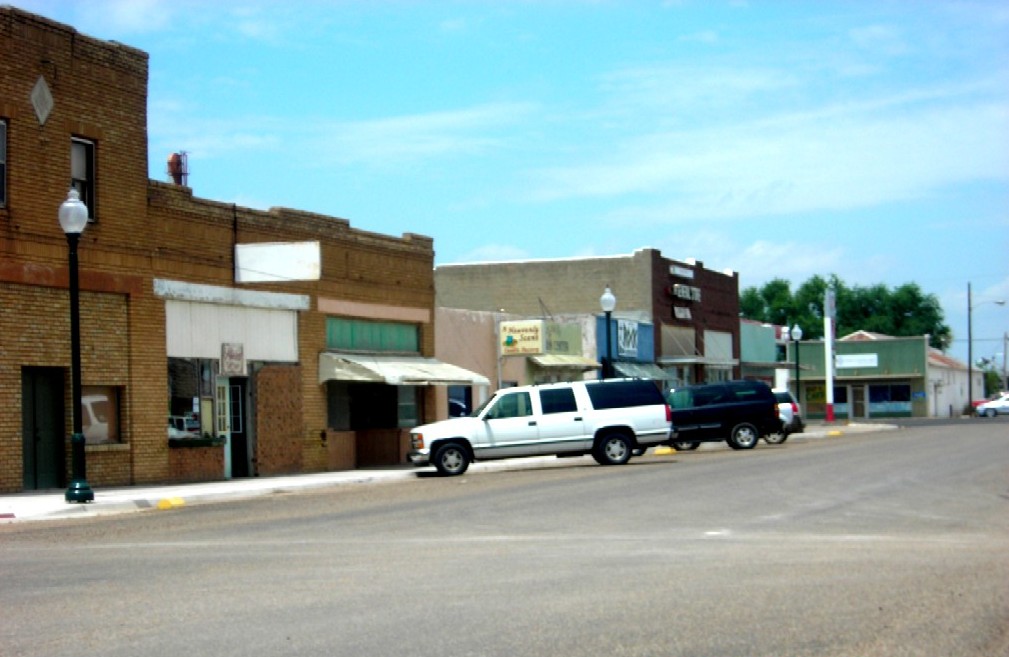

Geography and climate
Idalou sits on flat, expansive terrain typical of the southern High Plains. The surrounding landscape is dominated by cultivated fields, irrigation systems and broad horizons. The climate is semi‑arid with hot summers, cooler winters and most precipitation falling in spring and early summer; winds across the plateau are a common feature that influences farming and everyday life.
History and origins
The town developed in the early 20th century as rail lines, irrigation and settlement expanded the High Plains for agriculture. Local tradition holds that the name commemorates two women, often referred to as "Ida" and "Lou," though accounts of the origin vary. Over time the community grew as a shipping point and service hub for cotton and other crops produced in the region.
Economy, institutions and community life
Agriculture remains central to Idalou's economy: cotton, grain and cattle production are common in the surrounding countryside, supported by agribusiness services and farm suppliers in town. The Idalou Independent School District is an important local institution, anchoring school activities, sports and civic events. Churches, volunteer organizations and annual community gatherings help maintain a small‑town identity.
Transportation and role in the region
- Idalou's proximity to Lubbock gives residents access to regional healthcare, higher education and larger commercial markets while preserving rural character.
- The town historically served as a rail and shipping point and today remains linked by regional roads to neighboring communities.
- Its setting on the Llano Estacado connects Idalou to broader patterns of High Plains agriculture and wind resources.
Though modest in size, Idalou illustrates the development pattern of many West Texas towns: founded during agricultural expansion, sustained by local schools and services, and shaped by the geography and climate of the High Plains.
Author
AlegsaOnline.com Idalou, Texas Leandro Alegsa
URL: https://en.alegsaonline.com/art/139995