
Hardin County, Tennessee
Hardin County is a county in Tennessee with Savannah as its seat. It lies along the Tennessee River and includes historic Shiloh and recreational areas around Pickwick Lake. Population (2010): 26,026.
Overview
Hardin County is a county in the state of Tennessee. It is part of the region shaped by the Tennessee River and is known for a mix of rural communities, riverfront landscapes and Civil War history. According to the 2010 census referenced by official counts, the population was 26,026. The county seat and largest town is Savannah, a riverside community with services, local government and historic buildings.
Image gallery
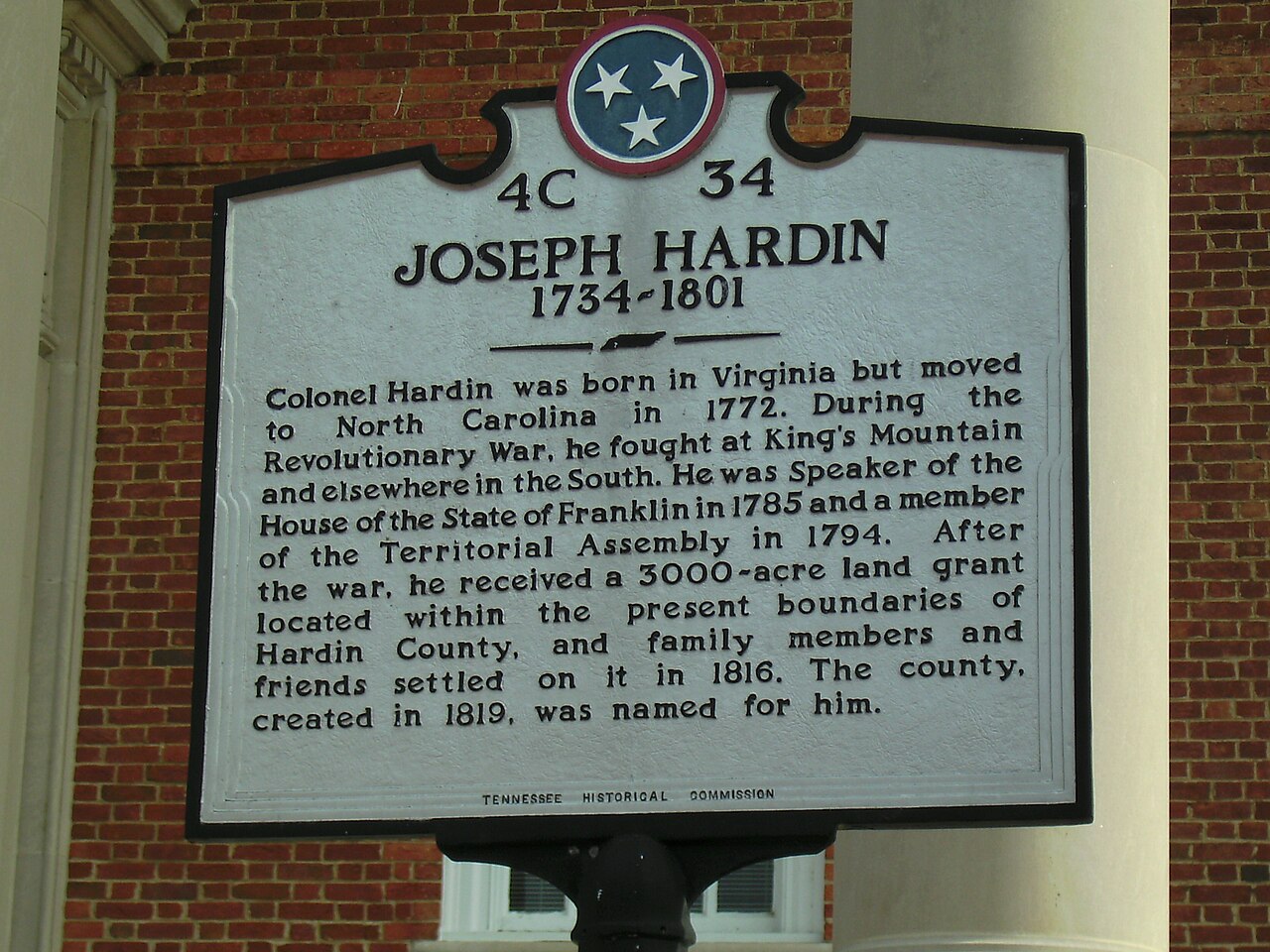
4 Images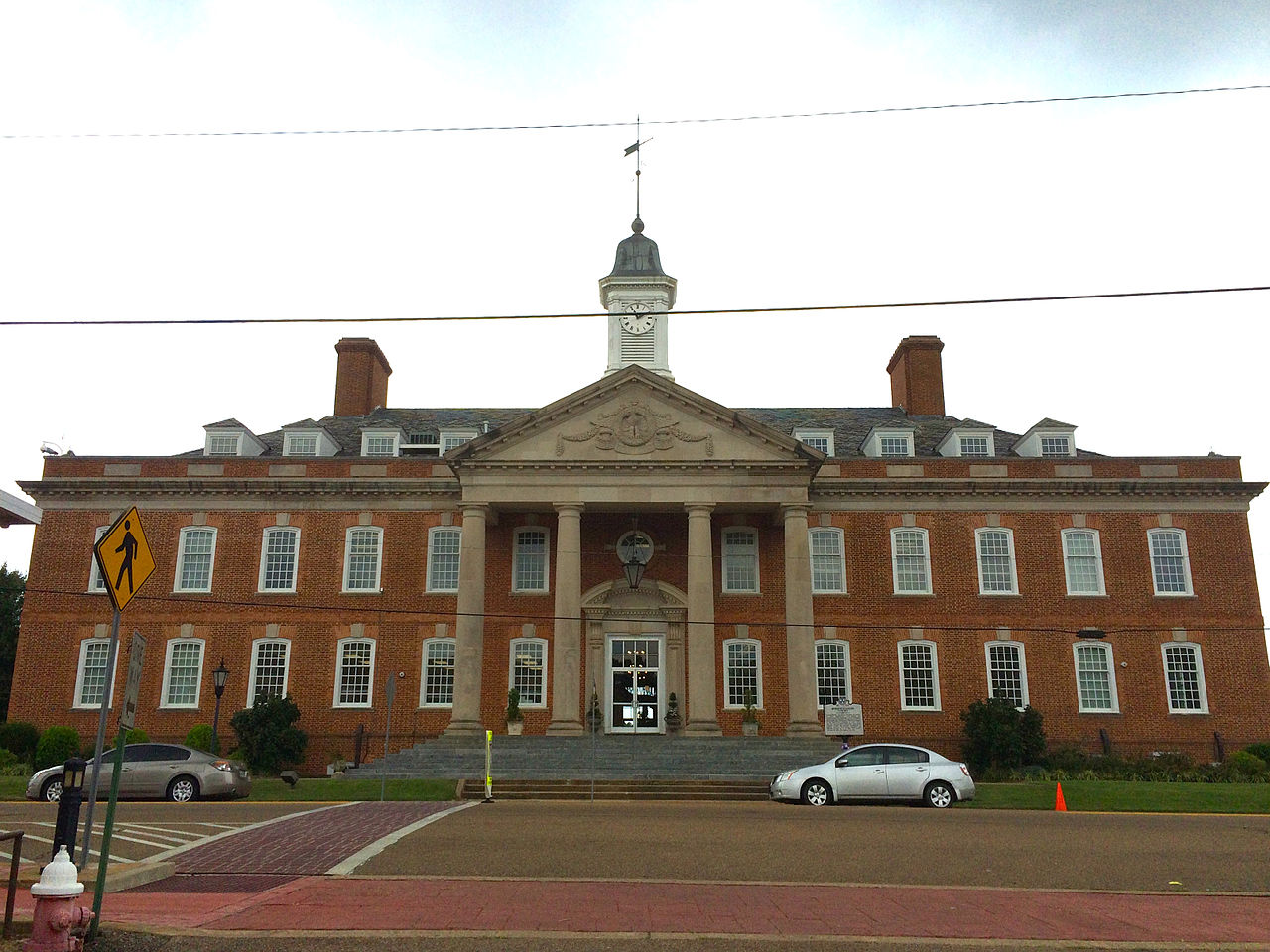


Geography and natural features
The county occupies riverine and rolling upland terrain. The Tennessee River and the impoundments that form Pickwick Lake and other reservoirs influence land use, recreation and wildlife. Water-based recreation—boating, fishing and shoreline parks—shapes both local leisure and the tourism economy. Portions of the county include forested areas, agricultural tracts and small towns connected by regional roads and bridges.
History and heritage
Hardin County developed in the early 19th century and has a layered history that includes frontier settlement, antebellum agriculture and significant Civil War sites. The area near Pittsburgh Landing is the location of the Battle of Shiloh; the battlefield and its memorials draw visitors and scholars interested in 19th-century American history. Historic homes, cemeteries and small-town commercial districts reflect the county's long-settled character.
Economy, government and communities
Local economic activity blends agriculture, small manufacturing, services and tourism tied to the river and historic sites. The county government, administered from Savannah, provides schools, public safety and infrastructure for dispersed communities. Demographic trends are typical of many rural counties: modest population size, local institutions that serve wide areas, and reliance on nearby regional centers for specialized services.
Recreation and points of interest
Outdoor recreation and historical tourism are important drawcards. Visitors come for fishing and boating on the Tennessee River and Pickwick Lake, for camping and for battlefield interpretation at sites tied to the struggle around Pittsburgh Landing. Local festivals, parks and waterways contribute to the county's character as a place where natural and historic resources are central to community life.
- County seat: Savannah
- Notable landscape: Tennessee River and associated lakes (river and lake region)
- Historic site: Shiloh battlefield and Civil War interpretation (reference)
- Administrative and visitor information: county offices and tourism resources (Hardin County, Savannah)
Author
AlegsaOnline.com Hardin County, Tennessee Leandro Alegsa
URL: https://en.alegsaonline.com/art/139437