
Héctor José Cámpora — Argentine dentist and short‑term Peronist president
Argentine dentist and Peronist politician who served a brief presidency in 1973, granted amnesty for political prisoners and helped pave the way for Juan Perón’s return; later went into exile and died in Mexico.
Overview
Héctor José Cámpora (26 March 1909 – 18 December 1980) was an Argentine dentist and a prominent figure within the Peronist movement. He is best known for serving as President of Argentina for a short period in 1973 and for his role as a representative of the left wing of Peronism, a tendency often referred to as "Camporismo." His presidency is remembered more for its political symbolism and the rapid political changes it triggered than for long‑lasting administrative reforms.
Image gallery
5 Images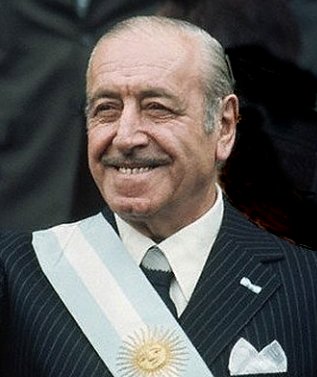


Early life and political rise
Cámpora trained and worked as a dentist before becoming active in politics. Over decades he became a committed supporter of Juan Domingo Perón and of the Peronist movement that shaped Argentine politics after World War II. By the early 1970s, with Perón still in exile and barred from running for office, Cámpora emerged as a trustworthy stand‑in for Peronist candidates and a unifying figure for several currents inside the movement.
1973 presidency and key measures
In March 1973 elections, Cámpora stood as the Peronist ticket’s candidate and won the presidency. He took office in May 1973. His short administration moved quickly to roll back aspects of the preceding military government's repression and to reopen political life. Notable actions of his government included:
- granting broad amnesties and ordering the release of many political prisoners and detainees;
- sponsoring the return of exiled political leaders and easing restrictions on political organizations and trade unions;
- encouraging the participation of diverse Peronist factions in public life.
These moves were intended to restore democratic normality and to prepare the ground for Juan Perón’s return from exile. The period also saw intense confrontation between left and right factions within Peronism, culminating in violent incidents during Perón’s return to Argentina.
Resignation, exile and later years
Recognizing that his mandate was tied to Perón’s broader political project, Cámpora resigned after less than two months in office to allow new elections in which Perón could stand. After the 1976 military coup that overthrew Argentina’s democratic institutions, Cámpora sought refuge at the Mexican embassy in Buenos Aires and later left Argentina. He was diagnosed with laryngeal cancer and, with permission to travel, moved to Mexico. Cámpora died in Cuernavaca on 18 December 1980 at the age of 71.
Legacy and significance
Cámpora’s brief presidency is often studied as a turning point: it marked the end of a long exile for Peronism and reopened political life in a turbulent era. To supporters he represented a renewal of Peronist activism and social reform; to critics, his government’s brevity and the factional violence that followed revealed the movement’s deep divisions. For more on the Peronist movement, see Peronism, and for context about the Argentine presidency visit a general overview of the office.
After the 1976 coup he took refuge at the Mexican embassy in Buenos Aires. He was later diagnosed with laryngeal cancer and died in Cuernavaca, Mexico.
Author
AlegsaOnline.com Héctor José Cámpora — Argentine dentist and short‑term Peronist president Leandro Alegsa
URL: https://en.alegsaonline.com/art/139281