
Gyalo Thondup: Tibetan intermediary and brother of the 14th Dalai Lama
Gyalo Thondup (born c.1928) is the second-eldest brother of the 14th Dalai Lama, an informal Tibetan envoy known for Cold War contacts, controversial dealings with foreign services, and later advocacy of engagement with China.
Gyalo Thondup (born c.1928) is best known as the second-eldest brother of the 14th Dalai Lama. His Chinese name is 嘉乐顿珠 and the pinyin form is written as Jiālè Dùnzhū. Over many decades Thondup acted as an informal envoy and intermediary for the Dalai Lama's circle, cultivating contacts with governments, diplomats, and intelligence services at times when the Tibetan exile community had limited official representation.
Image gallery
4 Images
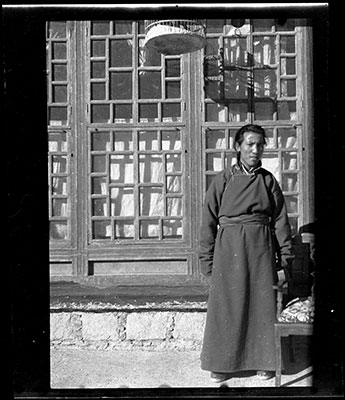


Early life and background
Born around 1928 in Amdo (in northeastern Tibet), Thondup belonged to a family that became closely associated with the Dalai Lama. He did not hold an elected office in the Central Tibetan Administration, yet his familial relationship and personal contacts gave him a unique platform. That position allowed him to move between governments and exile leaders, conveying messages and arranging meetings that official channels could not always accomplish.
Role and activities as an intermediary
Thondup's role combined private diplomacy, fundraising, and networking. He often acted as an unofficial ambassador for Tibetan concerns, particularly in the decades following the 1959 uprising and the Dalai Lama's flight to India. Observers have described him as pragmatic and willing to engage with a variety of actors — Western governments, regional powers, and nonstate organizations — to secure support and information for Tibetan exiles.
Cold War contacts and controversies
During the Cold War era Thondup acknowledged contacts with foreign services that were involved in supporting resistance activities inside Tibet. Those contacts later became a source of controversy inside the exile community because of questions about secrecy, oversight, and whether the Dalai Lama had been fully informed. In 1998 the Tibetan administration publicly criticized Thondup for not having shared details with the Dalai Lama about certain past intelligence links. Debate over these events has continued, reflecting wider tensions about means and ends in the struggle for Tibetan rights.
Stance toward China and later positions
In later years Thondup argued for a pragmatic approach that placed emphasis on engagement with the People's Republic of China as a necessary path for progress by Tibetans. That position contrasted with voices in the diaspora who favored prolonged international pressure or maximalist goals. Supporters viewed his stance as realistic and strategic; critics accused him of being too conciliatory. This difference of view illustrates the diversity of opinion within the Tibetan community about how best to preserve culture, autonomy, and human rights.
Controversies and public perception
- Accusations of secrecy: Critics say that Thondup's private dealings and partial disclosures complicated trust between exile leaders.
- Pragmatism vs. principle: His willingness to engage with rival powers drew praise from moderates and criticism from hardliners.
- Historical legacy: Scholars use his activities to explore how exile movements operate when official structures are limited.
Legacy and significance
Gyalo Thondup's significance for Tibetan history rests less on formal titles than on influence exercised behind the scenes. He helped shape discussions about strategy, contacts, and the limits of exile politics, and his life illustrates dilemmas faced by leaders displaced by conflict. For broader context on the religious leader at the center of these debates see material about the 14th Dalai Lama, and for background on the community and cultural issues at stake see resources on Tibetan society. Readers researching modern Tibetan history will encounter Thondup repeatedly as an example of an unofficial actor whose choices affected both diplomacy and internal exile politics.
Opinions about Thondup remain mixed: he is portrayed variously as a pragmatic negotiator, a controversial secret-bearer, and a figure who exemplified the difficult trade-offs available to exiled communities confronting powerful states. His career highlights the interplay of family ties, informal diplomacy, and contested memory in the ongoing story of Tibet and its global advocacy.
Author
AlegsaOnline.com Gyalo Thondup: Tibetan intermediary and brother of the 14th Dalai Lama Leandro Alegsa
URL: https://en.alegsaonline.com/art/139276